Smart thermostats quietly run your home’s most expensive system, so the right one matters more than its app icon suggests. Picking based on looks alone leaves real comfort gains on the table, and most homes run on a single heating and cooling setup that’s worth protecting. The list below covers options across budgets, system types, and smart-home ecosystems, with honest notes on where each one fits.
A Fast Comparison Of The Options

Google Nest Thermostat (Snow) with Trim Kit

ecobee Smart Thermostat Premium with Smart Sensor

Google Nest Learning Thermostat (Polished Steel)

Mysa Smart Thermostat for Electric Baseboard Heaters 240V

Google Nest Learning Thermostat 4th Gen (Obsidian)

ecobee SmartSensor 2-Pack for Temperature

Sensi Touch Smart Thermostat ST75 (Black)
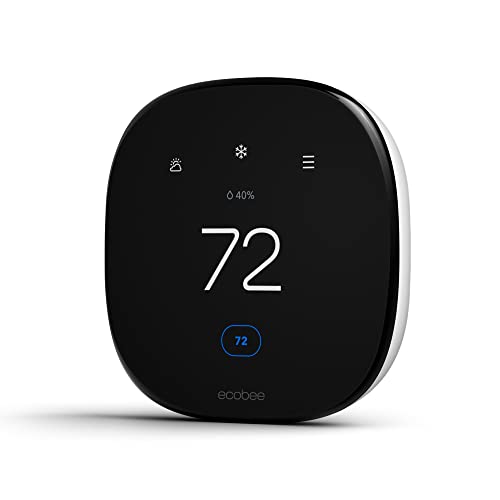
ecobee Smart Thermostat Enhanced (Wi-Fi)

Alarm.com Smart Thermostat
The Picks, Examined More Closely
The Nest Thermostat in Snow sits at the entry point of Google’s smart line, and the included trim kit is the kind of detail that matters in real homes. Older paint rings or unpainted drywall around the old thermostat get covered cleanly, so the install feels finished instead of patched. The mirrored face is subtle on a light wall and gives the room a low-key upgrade.
Setup runs through the Google Home app on Android or iPhone, and schedules live there too. A C-wire is required for most systems, which is worth checking before ordering. For renters or first-time smart-home owners, this is a friendly starting point that doesn’t bury you in features you won’t touch.
What Pays Off
- ENERGY STAR certified design that lowers consumption when you’re away.
- Trim plate hides old paint lines for a clean wall finish.
- Google Home app makes daily scheduling feel quick.
- Mirror-like display reads the room temperature at a glance.
Things To Consider
- Most HVAC setups need a C-wire, which older homes may lack.
- The Snow finish shows fingerprints more than darker finishes do.
Right Fit For
Owners already invested in Google Home who want a simple, app-driven thermostat that handles scheduling without a learning curve.
Where Another Pick Suits Better
Households with electric baseboard heat should look at the Mysa Smart Thermostat, since this Nest is built for low-voltage central HVAC.
The ecobee Premium is the model to consider when you want more than temperature control. Built-in Siri and Alexa mean voice commands work without a separate smart speaker on the counter, and the included Smart Sensor extends comfort awareness into the rooms where you actually sit. The zinc body has a noticeable weight that feels intentional on the wall.
For households already using Apple HomeKit or Alexa routines, the Premium slots in without extra hubs. Compared to the Google Nest above, this leans toward richer sensing rather than pure simplicity, and the air quality monitoring adds a layer most thermostats skip. It’s worth the stretch if you treat your HVAC like a system worth tuning.
Practical Advantages
- Built-in voice assistants remove the need for a separate speaker.
- SmartSensor balances temperatures in occupied rooms, not just hallways.
- Air quality monitor flags poor ventilation during wildfire or allergy seasons.
- Metal finish reads as a deliberate design element on the wall.
Honest Caveats
- Premium price over standard ecobee models.
- Some advanced features rely on an active ecobee subscription.
At A Glance
Made For
Smart-home enthusiasts who want voice control, room-level comfort balancing, and air quality alerts in a single wall unit.
Skip It When
Anyone happy with basic scheduling should consider the ecobee Enhanced below, since it covers the same ecosystem at a friendlier price.
The Learning Thermostat in Polished Steel is the model that defined the category, and its self-programming behavior still holds up. The dial is one of the few physical controls on a smart thermostat that genuinely feels right, and the rotating ring becomes second nature within a day. It looks substantial without being flashy, which suits a wide range of interiors.
Over a couple of weeks, the Nest learns your preferred temperatures and times, so the schedule handles itself once you settle in. Home/Away Assist uses your phone’s location to drop into an Eco Temperature when nobody’s home. For someone who wants the thermostat to fade into the background while quietly saving energy, this remains a strong fit.
Positive Points
- Self-learning schedule removes manual programming.
- Stainless dial works well by feel without looking at the screen.
- Energy History shows usage patterns in the app.
- HVAC monitoring sends alerts when systems act unusually.
Worth Noting
- Learning phase can feel slow before preferences click in.
- Higher price than the entry Nest Thermostat at pick one.
Best Suited To
Homeowners who rarely adjust their thermostat manually and want the device to learn their routines over time.
Consider Something Else When
Renters with frequent moves may prefer the entry-level Nest Thermostat, since the learning model needs a stable routine to shine.
Mysa fills a gap that most smart thermostats ignore: high-voltage electric baseboard heating. If your home runs on 120V or 240V baseboards or fan-forced heaters, this is one of the few smart options that wires in safely and cleanly. The flat, minimalist face plate looks modern in older homes where big metal stats used to dominate the wall.
Compatibility is the headline caveat. Mysa requires at least four wires, including a neutral or a second live wire, and won’t work with low-voltage central systems. For condo dwellers in buildings with shared baseboard heat, the requirement to verify wiring before buying is non-negotiable. Owners who match the right setup get a thermostat purpose-built for their system.
A Strong Showing
- Supports loads up to 1900W at 120V or 3800W at 240V.
- Free app handles scheduling without subscription fees.
- Works with HomeKit, Alexa, and Google Home.
- Temperature and humidity alerts help track room conditions.
Practical Considerations
- Requires four-wire installation, including a neutral line.
- Not compatible with low-voltage or two-wire heating setups.
Who It Suits Best
Owners of electric baseboard or fan-forced heaters who want the same scheduling and voice control found in central HVAC smart thermostats.
Not Your Match When
Households with low-voltage central HVAC should pick the ecobee Enhanced or the Nest Thermostat at pick one, since Mysa is wired for high-voltage heat only.
The 4th-generation Nest Learning Thermostat pushes compatibility further than earlier models, working with most 24V systems including gas, electric, oil, forced air, heat pump, and radiant setups. For homes where previous generations needed a C-wire, this one removes that barrier in many installs, which is a quiet gift to anyone who has ever avoided a smart upgrade because of wiring.
Compared to the polished steel pick above, this version adds the Nest Temperature Sensor for room-level readings and arrives in an Obsidian finish that disappears on darker walls. The bundle ships in non-retail packaging, which is worth knowing for gift-givers. For HVAC systems that resisted smart upgrades in the past, this is the version to look at first.
Standout Benefits
- Wide compatibility across 24V system types.
- Many installs work without a C-wire.
- Nest Temperature Sensor balances comfort in priority rooms.
- Works with Alexa, Apple HomeKit, and Google Home.
Trade Offs
- Non-retail packaging lacks the polished unboxing experience.
- Obsidian finish requires darker walls to feel intentional.
Feature Snapshot
Perfect Match For
Homeowners with mixed or older HVAC systems who want Nest’s learning behavior without rewiring the wall.
Reach For A Different Pick When
Households on high-voltage electric baseboards should head to the Mysa thermostat at pick four, since this Nest is built for 24V systems.
The ecobee SmartSensor 2-Pack isn’t a thermostat on its own, but it solves the problem most smart thermostats share: they only know what the hallway feels like. Place one in a nursery and another in the home office, and the system responds to actual occupancy rather than guessing from the central unit’s spot. The sensors are small, white, and easy to tuck on a side table or wall mount.
Pairing happens through an ecobee thermostat, so this only fits homes already running ecobee hardware. The infrared occupancy detection reaches roughly 60 feet, which covers most living rooms and bedrooms. For multi-zone homes where the hallway thermostat keeps the wrong rooms comfortable, this is the most direct fix.
Bright Spots
- Infrared sensors detect room occupancy up to 60 feet away.
- Two-pack covers a common nursery-plus-office layout.
- Wireless connection to the ecobee thermostat keeps install clean.
Factors To Consider
- Requires an existing ecobee thermostat to function.
- Battery replacements add to long-term upkeep.
Who Should Grab It
Ecobee owners in multi-room homes where one thermostat reading leads to uneven comfort between rooms.
A Better Fit Elsewhere
Households without an ecobee thermostat should start with the ecobee Premium at pick two, which already ships with one SmartSensor included.
The Sensi Touch ST75 leans on Emerson’s long HVAC history, which shows up in how the install and app guides feel. The touchscreen color display reads cleanly from across the room, and the backplate exposes familiar terminals that match most existing wiring. For homeowners who don’t want a learning curve, the on-screen menus feel more traditional than gesture-driven competitors.
Data privacy is a stated priority for Sensi, which matters for households wary of cloud-tied thermostats. A C-wire is required, which can rule out some older homes. Compared to the ecobee Premium at pick two, the Sensi trades built-in voice assistants for a more traditional touchscreen approach at a friendlier price.
The Case For It
- Emerson’s HVAC background shows in install guides and support.
- Touchscreen color display reads well at a distance.
- Privacy-focused approach keeps data practices simple.
- ENERGY STAR certified for energy-conscious households.
Less Ideal Details
- C-wire required, which older homes may lack.
- No built-in voice assistant like ecobee Premium offers.
Feature Card
Built With In Mind
Privacy-conscious DIYers who want a familiar touchscreen experience backed by a long-standing HVAC brand.
Swap It Out When
Households wanting built-in voice control should consider the ecobee Premium at pick two, since Sensi relies on Alexa for voice.
The ecobee Enhanced sits between the entry-level ecobee and the Premium, and it shows. You get eco+ features that automatically adjust temperature based on occupancy, plus schedule suggestions that learn your routine. The body is plastic rather than metal, which keeps the price approachable without making the unit feel cheap on the wall.
For households that want ecobee’s smart scheduling without paying for built-in voice assistants, this is the practical middle step. It works with Apple Watch, which is a small touch that adds to daily convenience for watch owners. Compared to the Google Nest at pick one, the Enhanced leans more toward automated savings than passive learning.
Benefits That Matter
- eco+ adjusts temperature automatically when you’re away or asleep.
- Works with Apple Watch for wrist-level control.
- Connects to Apple Home, Google Home, and Alexa ecosystems.
- Suggests schedule changes that improve comfort and savings.
Where It Is Less Suited
- No built-in voice assistant compared to the Premium model.
- Plastic body feels lighter than the metal Premium.
The Right Fit
Shoppers who want ecobee’s smart scheduling and savings features but don’t need built-in voice or air quality monitoring.
Where A Sibling Pick Shines
Households wanting premium sensors and voice control should step up to the ecobee Premium at pick two for the richer experience.
The Alarm.com Smart Thermostat lives in a different category than the rest of this list. It pairs with professionally monitored security and automation systems rather than running as a standalone device, which makes it a fit for households already on the Alarm.com platform. Remote access and custom schedules run through the same app that controls security cameras and door sensors.
Critical temperature alerts add a layer of safety for vacant homes or rental properties where frozen pipes are a real concern. Geo-Services automation lets the system respond when you leave or return without manual nudges. Without an Alarm.com service plan, though, this thermostat won’t do much on its own, so it earns its place only in matching setups.
Key Advantages
- Remote access through the Alarm.com platform.
- Critical temperature alerts protect vacant properties.
- Geo-Services automation responds to home or away status.
- Custom schedules fit complex household routines.
Some Limits To Know
- Requires an active Alarm.com service plan to function fully.
- Limited appeal outside existing Alarm.com households.
Whose Shelf It Belongs On
Households already using Alarm.com for security who want climate control integrated into the same professionally monitored system.
Look Elsewhere When
Anyone without an Alarm.com service plan should choose the ecobee Enhanced or Google Nest Thermostat at pick one for independent smart control.
What To Weigh Before Choosing A Smart Thermostat
HVAC compatibility sits at the top of the checklist. A thermostat that doesn’t match your system type, whether that’s central forced air, a heat pump, or electric baseboards, won’t deliver on its smart features. The Mysa pick above is the clearest example: it works beautifully for high-voltage electric heat and not at all for low-voltage central systems.
Wiring matters just as much as the system itself. Most smart thermostats need a C-wire (a common wire that delivers continuous power), and older homes often lack one. The Google Nest 4th Gen at pick five sidesteps that hurdle for many installs, which makes it a fit for retrofits where previous smart thermostats required rewiring.
Ecosystem fit shapes daily use more than people expect. A thermostat that plays nicely with Alexa, Google Home, or Apple HomeKit fits into routines and voice control without extra hubs. The ecobee Premium at pick two builds voice assistants directly into the wall unit, which removes the need for a separate speaker on the counter.
Comfort balancing across rooms is where smart thermostats earn their price over a basic programmable unit. Single-point readings often miss the room where you actually spend time. Adding sensors like the ecobee SmartSensor at pick six lets the system respond to where life happens rather than where the thermostat happens to be mounted.
Key Considerations Across These Picks
Wrong Turns To Avoid
The most common mistake is buying a thermostat that doesn’t match the home’s wiring or system voltage. The second is assuming voice assistants are built into every model, when in reality only a handful include them. Verifying compatibility and feature needs before ordering saves the hassle of returns and rewiring later.
When Paying More Pays Off
Higher-tier models earn their price through room-level sensing, air quality monitoring, and built-in voice control. For larger homes with uneven temperatures, the ecobee Premium or Nest 4th Gen pay back the difference in comfort alone. Smaller homes with simple layouts do just fine with the entry-level picks, so the upgrade is more about features than performance.