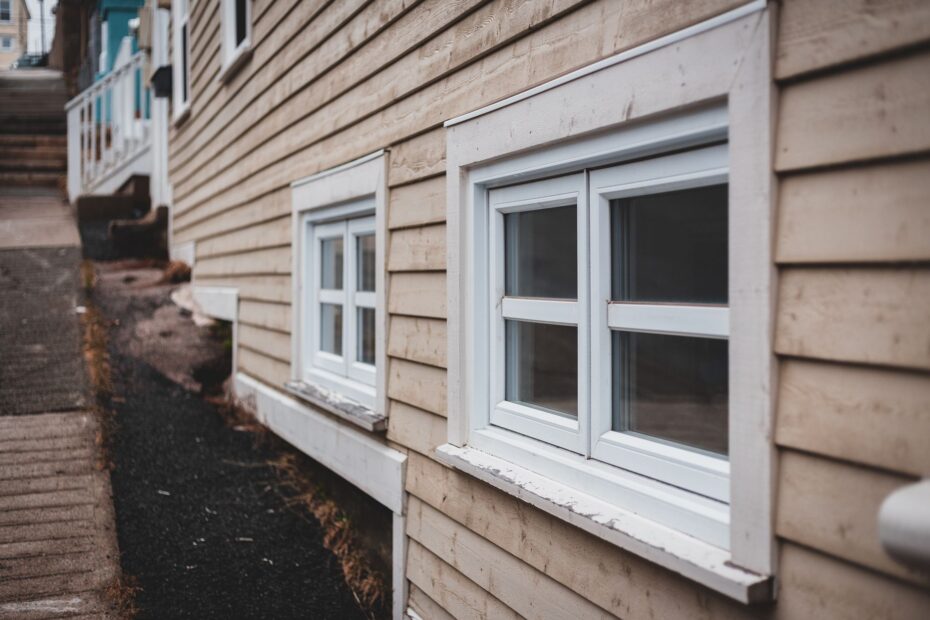
Rain, snow, ultraviolet exposure, and wind-driven moisture are shed by layered wall components before they can reach a home’s framing. Exterior cladding takes the first hit, while drainage layers behind it move stray water outward so your wall can dry.
This explanation is for homeowners weighing material choices, checking damage, or planning repairs in wet, hot, cold, windy, coastal, or storm-prone areas.
Siding Takes the First Impact From Weather
Rain reaches the exterior cladding long before it reaches framing, insulation, or drywall. Siding forms the visible outer layer that absorbs daily exposure to water, snow, wind, sunlight, hail, and airborne debris, reducing direct stress on your wall assembly.
Overlapping lap boards, interlocking vinyl siding panels, and shingle-style profiles rely on gravity. Each course sheds water onto the course below, much like roof shingles. That downward path limits wetting at seams and sends runoff toward the ground.
Your siding is not a sealed shell. Wind-driven rain can pass behind joints, corners, trim, and penetrations, especially during a hard storm. A wall needs layers that accept small water entries and direct that moisture back outdoors before wood or insulation remains damp.
Caulk does not replace drainage. A sealed joint can hold water that enters from above, while a correctly detailed lap leaves water a route outward.
Wall Layers Carry Water Away From the Sheathing
A wet siding joint does not need to become a wet wall. Behind the exterior surface, each layer has a distinct task: siding sheds bulk water, the weather-resistive barrier handles incidental moisture, and flashing redirects concentrated runoff around openings.
| Wall layer | Job in your weather defense | Failure you may see |
|---|---|---|
| Siding | Sheds bulk rain, snow, UV exposure, and minor impacts. | Cracks, loose panels, fading, or warped courses. |
| Rainscreen drainage gap | Leaves room for runoff and airflow behind cladding. | Persistent damp trim or peeling paint. |
| House wrap or WRB | Sheds incidental water away from sheathing. | Stains around openings or wet sheathing. |
| Flashing | Directs water around windows, doors, roofs, and pipes. | Leaks concentrated at one opening. |
| Sheathing and insulation | Stiffen the wall and slow heat flow. | Soft spots, drafts, or interior moisture marks. |
| Interior air barrier | Limits indoor air leakage into wall cavities. | Cold drafts and condensation risk. |
House wrap, also called a weather-resistive barrier or WRB, sits behind the cladding rather than serving as the finished exterior. Products such as DuPont Tyvek shed water that reaches the sheathing while allowing water vapor to move outward under suitable wall conditions.
Flashing handles concentrated water loads at windows, doors, roofs, decks, and pipe penetrations. Window head flashing, door pan flashing, roof-wall flashing, deck ledger flashing, and pipe boots direct water onto the layer below.
Your flashing needs shingle-style overlaps. Upper pieces lap over lower pieces, so gravity carries water down the exterior face instead of behind a lower layer. That sequence is central to siding installation and moisture protection.
Drainage Gaps Keep Small Water Entries From Turning Into Damage
Water behind cladding needs an exit route. A rainscreen drainage gap, formed with furring strips or a shaped siding profile, leaves space for liquid water to run down rather than sit against the WRB.
Storm pressure changes the direction of water movement. Wind-driven rain can move upward, sideways, and inward through openings that vertical rain would miss. Correctly lapped house wrap and flashing guide that water downward across the wall face.
Continuous drainage paths move moisture outward
- Open bottom edge: Leave drainage space at the base so runoff can escape rather than soak the starter course.
- Clear weep holes: Keep vinyl weep slots open because paint, caulk, and debris can block drainage.
- Vented cavity space: Use furring or vented details where the cladding system calls for a drainage gap.
- Layered flashing laps: Set flashing over the WRB below and behind the WRB above.
- Capillary breaks: Separate wet materials so water cannot wick upward into trim or sheathing.
Trapped dampness affects more than paint. Wet sheathing can decay, insulation can lose thermal performance, finishes can peel, and damp wood can attract carpenter ants or other insect activity.
Your building envelope stays more durable where water has a planned path away from the wall. That path also reduces the chance that a small trim gap becomes a concealed moisture problem behind the cladding.
Rain, Sun, Temperature, and Wind Stress Walls Differently
Storms reveal the weak detail in a wall, not just the weak spot in a panel. Wind-driven rain forces moisture through trim gaps, while snow can collect against lower courses and keep them wet for days.
Sunlight causes slower wear. UV exposure fades pigments and weakens some coatings; heat causes material movement; severe cold leaves brittle materials more vulnerable to impact cracks. Freeze-thaw cycles widen small cracks after absorbed water turns to ice.
Hail and flying branches stress impact resistance, while coastal salt spray stresses corrosion resistance. Metal siding needs compatible fasteners and coatings near saltwater. Natural wood needs an intact paint or stain film because bare end grain absorbs water quickly.
Siding also has a limited energy role. Insulated siding adds modest thermal resistance, yet cavity insulation, exterior insulation, air sealing, and reduced thermal bridging at studs and openings have a larger effect on comfort.
Your climate should shape the cladding choice. A wall exposed to repeated rain needs drainage details, while a wall exposed to sharp cold swings needs material movement and impact resistance taken seriously.
Those different stresses make a one-size-fits-all cladding choice risky, especially on exposed elevations.
Material Choice Follows Climate and Exposure
No cladding material fits every location. Heat, hail, salt, moisture, insects, and fire exposure place different demands on an exterior wall, while drainage details and workmanship still decide whether the wall stays dry.
| Material | Strong weather traits | Trade-offs for your home |
|---|---|---|
| Vinyl siding | Resists rot and insects and sheds rain well. | Can fade, crack in severe cold, dent, or distort near high heat. |
| Fiber cement siding | Resists rot, insects, UV exposure, and fire. | Heavy boards need careful cutting, fastening, and painted edges. |
| Engineered wood siding | Offers a wood-like appearance with treated wood strands. | Cut edges and damaged coatings need close attention. |
| Metal siding | Resists fire, insects, and rot and handles wind well. | Can dent, and coastal exposure calls for corrosion-aware details. |
| Stucco | Handles sun and fire exposure well. | Cracks need repair, and drainage planes matter in rainy climates. |
| Natural wood | Handles impacts well and allows board-level repairs. | Needs paint or stain upkeep to resist rot, insects, and UV wear. |
Fiber cement siding and metal siding suit severe exposure, but neither corrects poor flashing. James Hardie fiber cement products resist fire and rot well, while metal resists insects and decay. Your roof design, wall exposure, and drainage details still shape the result.
Vinyl siding has clear limits. It moves with temperature changes, so nails need room for movement and panels cannot be pinned tight. Intense heat, cold-weather impacts, fading, and loose panels around poorly flashed openings can shorten service life.
The best siding material for your climate depends on the threat your wall faces most. Coastal homes need corrosion-aware metal details, cold locations need impact-resistant cladding, and rainy regions need reliable drainage behind the visible surface.
Installation Details Decide Wall Performance
A missing kickout flashing can send roof runoff behind siding at a roof-wall corner. That small metal diverter moves water away from the wall instead of allowing a concentrated stream to soak trim and sheathing.
Small errors leave repeat leak patterns
- Reversed wrap laps: Water slips behind the lower sheet instead of draining over it.
- Sealed weep paths: Caulk or paint blocks outlets built into vinyl and some trim systems.
- Face-fastening errors: Nails through panel faces can crack material and restrict seasonal movement.
- Failed caulk beads: Open trim joints admit water at repeated wetting points.
- Low clearances: Siding near soil, mulch, or roofing stays wet and can wick moisture upward.
- Wrong fasteners: Incompatible metals can corrode and loosen exterior cladding over time.
Exterior clues give you a starting point. Staining below a window, soft trim, recurring interior moisture, buckled panels, or decay around one door points toward a detail failure. Damage across broad wall areas points more toward age, exposure, or a widespread installation fault.
Pressure exposes weaknesses that calm rain does not. ASTM E331 describes water-penetration testing for exterior windows, skylights, doors, and curtain walls under pressure, while ASTM D3679 covers performance requirements for rigid vinyl siding.
Those standards reinforce a practical point: fastening, drainage, overlap direction, and flashing matter as much as the visible panel. Your wall depends on the full assembly, not on cladding alone.
Even a sound assembly needs periodic attention, since exposure and age can weaken hidden details.
Seasonal Checks Catch Exterior Problems Early
Spring rain exposes trouble that dry weather can hide. Walk the perimeter after a storm and inspect roof-wall intersections, window corners, and downspout discharge areas, where water loads are highest.
Your seasonal exterior check
- Spring storm scan: Look for loose pieces, cracked caulk, blocked weeps, splashback, and fresh water staining.
- Summer heat check: Watch for fading, warped vinyl, open joints, and vegetation rubbing against the wall.
- Fall drainage check: Clear gutters and downspouts so roof water does not overflow onto siding.
- Ground clearance check: Pull mulch and soil away from lower cladding to reduce splash and wicking.
- Finish condition check: Repair chipped paint, damaged sealant, or exposed wood edges before repeated wetting.
Use a garden hose and a soft brush for routine cleaning, not a high-pressure blast aimed upward at laps. Water forced upward can pass behind siding panels and trim details.
Arrange qualified repair work for suspected flashing failures, soft wall areas, or recurring interior stains. Surface repairs alone can leave concealed moisture in place, particularly around windows, doors, and roof-wall intersections.
Signs siding needs replacement include broad cracking, repeated loose panels, wall-wide fading with material breakdown, soft sheathing, and recurring leaks across multiple elevations. A single damaged panel points to a smaller repair scope.
Repair Scope Depends on the Extent of Wall Failure
A cracked panel from a stray baseball does not mean every wall needs new cladding. Isolated impact damage, a few loose pieces, failed caulk in one area, or one flawed flashing detail can be repaired where the surrounding wall remains dry and firm.
Broad damage calls for wider wall work
Renewal makes more sense where panels fail across several elevations, moisture damage extends behind the exterior surface, or the original wall lacks a drainage plane. Repeated repairs at the same opening point toward flashing or WRB trouble rather than a panel problem.
How long house siding lasts depends on material, climate, sun exposure, upkeep, and workmanship. Vinyl can serve for 20 to 40 years, fiber cement for 30 to 50 years or longer with paint upkeep, and wood for decades where coatings and drainage stay sound.
Your wall condition matters more than a calendar estimate. Loose panels, failing paint, soft trim, blocked drainage paths, and recurring moisture marks show that the cladding system needs attention before its expected service range ends.
A 2,000-square-foot home’s siding budget cannot come from floor area alone. Wall height, gables, window count, trim, removal work, sheathing repairs, material, and local labor shape the installed figure. Measure actual exterior wall area before using a broad cost range for your plans.
Bottom Line
Your siding works as the visible skin of a wall built to shed, drain, and dry. Choose cladding suited to your climate, keep drainage paths open, and investigate stains or soft trim before moisture reaches framing.
That layered approach explains how house siding protects against weather over decades rather than merely looking sound from the street. Strong cladding matters, but flashing, house wrap, drainage gaps, clearances, and upkeep keep the full wall system working.
FAQ
How does house siding protect a home from rain, wind, snow, sun, and temperature changes?
Siding sheds bulk rain, snow, sunlight, and wind exposure from the outer wall surface. Your house wrap, flashing, drainage gap, and air barrier handle water and air that pass behind the cladding, while insulation and air sealing limit heat loss and condensation risk.
Is siding waterproof, or does water get behind it?
Siding sheds most rain, but it is not a waterproof shell. Water can pass through joints during wind-driven rain, then relies on your house wrap, flashing, drainage gap, and weep paths to move safely back to the exterior before wall materials stay wet.
What role do house wrap, flashing, caulk, and drainage gaps play behind siding?
House wrap sheds incidental water away from sheathing, flashing directs concentrated water around openings, and drainage gaps leave room for runoff behind cladding. Caulk closes selected trim joints, but it does not replace properly lapped flashing or open drainage paths.
How does siding help prevent moisture damage, mold, rot, and pests?
Siding limits direct wetting of the wall, while drainage layers move stray water back outside. Your wall stays less vulnerable to rot, mold growth, and insect activity where sheathing and trim can dry after rain exposure.
Does insulated siding improve energy efficiency and reduce heat loss?
Insulated siding adds modest thermal resistance and can reduce some direct heat flow through the wall surface. Larger comfort gains come from cavity insulation, exterior insulation, air sealing, and reduced thermal bridging at studs and openings.
What is the most weather-resistant siding material for harsh climates?
Fiber cement and metal handle several severe exposures well, including rot, insects, fire, UV exposure, and strong wind. Your material choice still depends on local conditions: metal needs corrosion-aware detailing near saltwater, while fiber cement needs correct clearances, flashing, and painted cut edges.