Smart home gear used to mean juggling four apps, three voice assistants, and a tangle of protocols that refused to talk. The picks below cover the full span of what a real connected household actually needs: a couple of true multi-protocol hubs that tie everything together, smaller bridges that add remote control to a single lock, a smart plug for lamp-and-fan basics, an in-wall switch for harder jobs like garage doors, and fingerprint locks that keep daily entry painless. Each one solves a different kind of headache, so you can build outward as your setup grows rather than rip-and-replace later.
A Quick View Of The Lineup

EVC200-HCSML The Bulldog Valve Robot Z-Wave Water Valve

Echo Dot (5th Gen) Bundle with Iron Man Stand
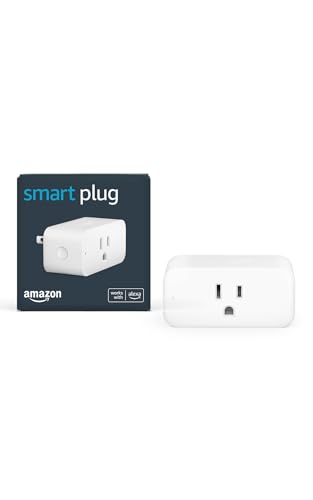
Amazon Smart Plug with Alexa

GHome Smart Fingerprint Door Knob with Keypad

GHome Smart G2B WiFi Gateway for Bluetooth Smart Locks

SONOFF WiFi MINI-D Smart Switch with Matter

Aqara Smart Home Hub M3 with Matter Controller
GHome Smart Fingerprint Front Door Lock with Keypad
A Deeper Look At The Lineup
Water damage is the kind of risk that turns a normal afternoon into a renovation project, which is exactly the niche this Z-Wave water valve controller was built for. The Bulldog clamps onto an existing manual shutoff between ¾” and 1.5″, so you skip the plumber and the drywall saw, and you can close the main from your phone when a leak sensor trips.
It leans on Z-Wave Plus, so any modern Z-Wave hub (including the Aqara M3 covered later) can fold it into leak-detection routines. For anyone with a finished basement or a washing machine that has seen better days, that one feature tends to pay back the whole setup the first time it stops a leak on its own.
The Practical Payoff
- Retrofit design skips the plumber, clamping onto valves you already own
- Cuts off the main remotely when paired with leak sensors
- Z-Wave Plus support means low power draw and reliable mesh range
- One install quietly protects the whole home water supply
Things To Consider
- Requires a separate Z-Wave hub, which adds to the budget
- Manual shutoff must be accessible and in good shape, since the robot drives the existing handle
Key Specs
Best Suited To
Homeowners in leak-prone houses with a basement water heater, old washing machine, or vacation rental who already run a Z-Wave network.
Consider Something Else When
Pick the Amazon Smart Plug instead if you just want a voice-controlled lamp and have no plumbing worries on the horizon.
The Echo Dot 5th Gen marked a quiet leap forward in a familiar shape: clearer vocals, fuller bass, and a temperature sensor that lets you build routines off actual room conditions. Bundled with a limited-edition Iron Man stand, it doubles as a desk accent without screaming for attention.
For anyone new to voice control, the Dot is the softest on-ramp: no hub, no rewiring, just plug it in and ask for a timer or a song. It also works as a mesh point for compatible Eero routers, which quietly strengthens your home network while sitting on a shelf.
Real Benefits
- Noticeably cleaner audio than older Dots, fine for kitchen and bedroom music
- Built-in temperature sensor opens the door to HVAC routines
- Tap-to-snooze alarm for groggy mornings
- Works as an Eero mesh extender, killing two birds with one outlet
Worth Noting
- No native Zigbee radio, so it can’t replace a true hub for those devices
Who It Suits Best
First-time smart home households who want a voice assistant, decent audio, and a few starter automations without buying a separate hub.
A Better Fit Elsewhere
Grab the Aqara Smart Home Hub M3 instead if you plan to run Zigbee sensors, Thread devices, and Matter gadgets together from one app.
Sometimes the smartest upgrade is the smallest one. The Amazon Smart Plug drops into any outlet and turns a dumb lamp, fan, or coffee maker into something Alexa can switch on without you leaving the couch. Setup happens entirely in the Alexa app, so there is no hub, no account juggling, and no firmware headaches.
It is the rare gadget that takes about a minute to get working. For renters, dorm rooms, and anyone dipping a toe into home automation, that speed is the whole point. Pair a couple with routines and your morning “Alexa, good morning” lights the room and starts the fan before your feet hit the floor.
Positive Points
- Truly app-light setup that completes in a few taps
- Compact body keeps the second outlet free on most wall plates
- Schedules and routines live natively in the Alexa ecosystem
Points To Note
- Locks you into the Alexa app, which may bother households using multiple ecosystems
- Best for simple on-off loads; not the right tool for hardwired fixtures or high-draw appliances
Made For
Renters and small-space dwellers who want voice control of a lamp or fan without rewiring anything.
Look Elsewhere When
Pick the SONOFF WiFi MINI-D Smart Switch instead if you want to control a garage door, boiler, or other dry-contact load behind the wall.
Not every smart lock belongs on the front door, and this knob knows it. The GHome Smart Fingerprint Door Knob packs four ways to unlock into a knob form factor that swaps in place of a standard interior lockset, which is great for bedrooms, home offices, and shared apartments where losing a key would be a daily headache.
Twenty fingerprint slots and twenty passcodes cover most roommate or guest situations, and the auto-lock feature saves you when your hands are full. App control works over Bluetooth, so it is local-first rather than cloud-dependent.
What Stands Out
- Four-entry design covers fingerprint, code, app, and a backup physical key
- Knob shape installs cleanly on interior doors without drilling new holes
- Auto-lock helps when kids or guests forget to turn the bolt
Honest Caveats
- Bluetooth-only control means no remote unlock without the GHome gateway add-on
- Battery life varies with fingerprint usage and door traffic, so plan on seasonal AA swaps
Perfect Match For
Shared bedrooms, home offices, and rental units where a front-door deadbolt would feel like overkill.
Swap It Out When
Grab the GHome Smart Fingerprint Front Door Lock instead if you need an exterior deadbolt built for weather and heavier daily traffic.
Bluetooth locks are great until you realize you can’t unlock them from the airport. The GHome Smart G2B WiFi Gateway is the small bridge that fixes that: plug it in, link it to compatible GHome or Tuya locks, and your phone gets remote control, real-time alerts, and activity logs no matter where you are.
Dual-band WiFi (2.4GHz and 5GHz) helps the gateway play nicely with crowded apartment routers, and the GHome and Tuya apps keep passcode and guest management in one place. For Airbnb hosts juggling cleaners and new guests, that one bridge removes a lot of text-message coordination.
Everyday Advantages
- Dual-band WiFi avoids the dropouts single-band bridges sometimes hit
- Remote unlock and passcode sharing cut down on key handoffs
- Activity logs and battery alerts keep the lock honest from afar
Some Limits To Know
- Only works with GHome and Tuya ecosystem locks, so cross-brand setups need a different bridge
- Requires steady WiFi at the door, which older homes with thick walls may need to plan around
Right Fit For
Rental hosts and frequent travelers running GHome or Tuya locks who want real remote control without replacing the lock itself.
Reach For A Different Pick When
Choose the Aqara Smart Home Hub M3 if you want broader multi-protocol automation that covers sensors, lights, and locks in one app.
Garage doors, boilers, and solenoid valves all speak “dry contact,” which most consumer smart switches refuse to listen to. The SONOFF MINI-D leans into that niche with both Normally Open and Normally Closed outputs and AC or DC input support, so it slots into control panels where ordinary WiFi switches would not fit.
Matter compatibility is the other half of the value: it joins Alexa and Google Home without making you pick one ecosystem for life. For tinkerers with a basement workshop or a small gate that needs voice control, this is the rare switch that handles both low-voltage signals and modern app standards.
Good Reasons To Consider
- Dry contact output with NO and NC options covers real control-panel wiring
- Matter support future-proofs the install against app churn
- Handles small DC motors and solenoid valves that ordinary switches can’t
Practical Considerations
- Low 8W DC ceiling means you cannot use it for AC motors or anything near mains voltage
- Wiring work is required, so renters should clear it with the landlord first
Whose Shelf It Belongs On
DIYers with a garage door, boiler, or low-voltage relay project who want one switch that plays nicely with both Alexa and Google Home.
Where A Sibling Pick Shines
Pick the Amazon Smart Plug if you want a no-wire solution for a plug-in lamp and would rather not touch the breaker panel.
The Aqara M3 is what happens when a hub stops trying to be just a hub. It speaks Zigbee, Thread, and Matter in one box, acts as a Matter bridge so your existing Aqara scenes reach Home Assistant, and even ships with an IR blaster for legacy gear that has no other way to join a smart setup.
Support for up to 127 Aqara Zigbee devices means this hub grows with the household rather than capping out by year two. For anyone whose smart home has quietly sprawled across three apps and two protocols, the M3 is the cleanup tool that finally consolidates the mess.
A Favorable Mix
- Three protocols in one box cut the need for separate bridges
- Matter bridge shares Aqara signals with ecosystems like Home Assistant
- IR blaster rescues older AC units and fans from analog-only land
Factors To Consider
- Heavier setup than a single-protocol hub, with a real learning curve
- Best return shows up once you already own a handful of compatible Aqara gear
Feature Snapshot
Built With In Mind
Mixed-protocol households ready to retire three apps and unify lights, locks, and sensors under one roof.
Skip It When
Grab the Echo Dot (5th Gen) Bundle instead if your needs stop at voice control and a few Alexa routines.
The front door is where a smart lock has to perform every single day, and the GHome Fingerprint Deadbolt is built for that grind. The marketed 1.0s unlock and AI self-learning fingerprint reader both aim at the same problem: getting inside should feel faster than digging for keys, even when your hands are full or the kids are impatient.
Four entry methods cover the usual bases (fingerprint, passcode, app, physical key), and the auto-lock keeps you honest when someone forgets the bolt. For Airbnb hosts and apartment dwellers who do not want to replace keys every turnover, that mix hits the sweet spot.
What It Does Well
- Sub-second fingerprint reads shave time off busy mornings
- AI self-learning helps the reader stay accurate as fingerprints weather
- Auto-lock feature is a quiet safety net for forgetful teens
Points To Keep In Mind
- Front-door installs usually mean drilling new holes, which renters should confirm first
- Weather exposure on exterior use means sealing and battery checks belong on a seasonal schedule
Quick Facts
Who Should Grab It
Families, Airbnb hosts, and busy apartment dwellers who want a fast, keyless front door with passcode sharing built in.
Not Your Match When
Pick the GHome Smart Fingerprint Door Knob for an interior door where the deadbolt form factor would feel heavy-handed.
What Matters Most Before Choosing Hubs For Smart Home
Match The Hub To The Protocol You Already Own
Before adding anything, take stock of the devices already in your home. Zigbee, Z-Wave, Thread, and WiFi gadgets rarely talk to each other directly, and a hub that only speaks one of those languages forces adapters later. A multi-protocol hub like the Aqara M3 smooths this out, while a single-purpose gateway like the GHome G2B works only inside its own ecosystem.
Decide Whether You Need Remote Control Or Local Control
Bluetooth-only locks and locks without a gateway are faster and more private, but they cannot be opened from across town. Cloud-connected hubs add remote access at the cost of depending on a vendor’s servers. Match the choice to your real routine: travelers and rental hosts want remote, while a home office lock may not need it.
Wiring Comfort Tells You Which Side To Shop On
Plug-in devices like the Amazon Smart Plug work for everyone, but anything that controls a boiler, garage door, or valve usually means wires, relays, or clamp-on hardware. Pick the SONOFF MINI-D or the Bulldog Valve only if you are comfortable opening a control panel or following clear wiring diagrams, and lean on the no-wire picks otherwise.
Plan For Growth, Not Just Today’s Setup
A hub that caps at a handful of devices starts to feel small the moment you add a few sensors. Capacity numbers (such as the Aqara M3’s 127-device ceiling) matter less as a hard limit and more as a signal that the platform can keep up with a growing household. Picking a slightly larger hub today is usually cheaper than migrating everything in two years.
Key Considerations Across These Picks
Wrong Turns To Avoid
A common slip is buying a smart lock or sensor first and then hunting for a hub that supports it, instead of choosing the hub that supports your whole plan. The reverse order tends to leave you locked into one ecosystem with no way to add a different brand later. Another trap is assuming every gadget works with Alexa by default: dry-contact switches and Zigbee sensors often need their own bridge before voice control kicks in.
What Separates Premium From Basic
The jump from a basic gadget to a premium one usually comes down to protocol coverage, automation depth, and how cleanly it plays with other ecosystems. A budget smart plug toggles one outlet on a schedule, while a premium hub like the Aqara M3 ties sensors, locks, lights, and IR gear into routines that react to actual conditions. The extra spend buys flexibility, not flash, so it only pays off when you actually plan to use that flexibility.