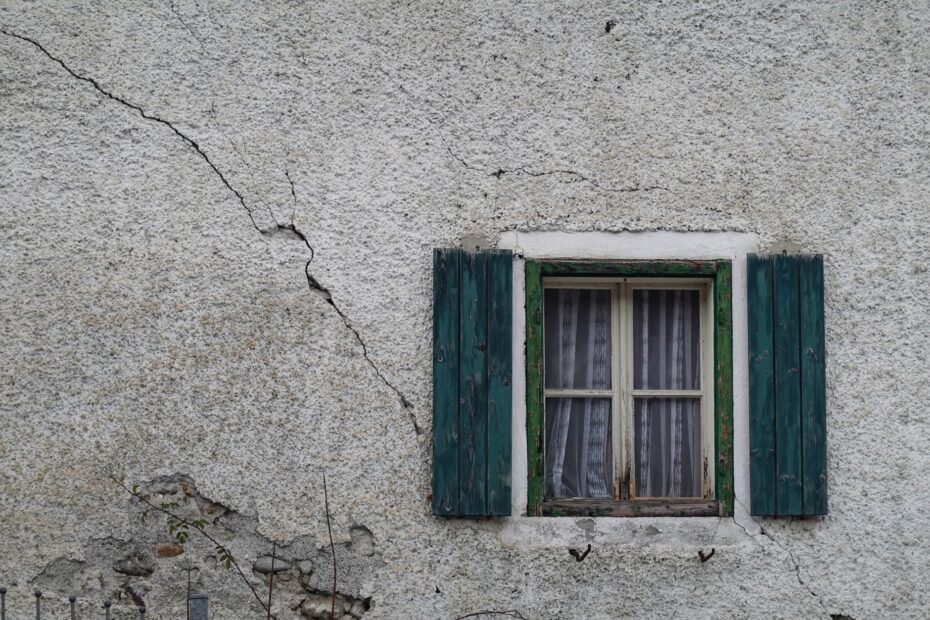
A hairline seam above a doorway can reveal that finishes, framing, masonry, or foundations have shifted at different rates. Drying drywall compound can leave a thin seam line, while Foundation settlement can leave a widening diagonal split beside a door that no longer closes cleanly.
This guide helps homeowners interpret crack shapes, wall materials, seasonal changes, and accompanying house symptoms before deciding whether monitoring or professional evaluation is appropriate.
Wall Cracks Show Movement Rather Than a Diagnosis
A painted surface can split long before a wall becomes unsafe. Drywall compound, plaster, mortar, framing, and concrete move differently as temperature, humidity, moisture, and soil conditions shift around your home.
Your starting point is separating a finish defect from movement in framing, masonry, or the foundation. Hairline cracks in a new house can follow drying shrinkage, minor settling, or Thermal expansion and contraction during seasonal temperature changes.
Location Changes the Meaning
Check the wall material, crack direction, length, width, and exact location. A short drywall seam near a ceiling tells a different story than a line crossing brick, block, or a poured concrete foundation wall.
Run your finger across both sides of the crack. A raised edge or visible offset suggests actual displacement, while a flashlight held sideways can reveal a ridge concealed by paint.
Water stains, soft drywall, loose trim, pest openings, and fresh ceiling gaps add context. Your notes should capture those details because a crack by itself rarely identifies the source.
Crack Patterns Narrow the List of Causes
Direction narrows the likely source, though shape alone cannot identify it. A diagonal line from a window corner can reflect stress around an opening, while a horizontal split in a foundation wall can reflect outside soil pressure.
| Pattern | Typical location and cause | Next step |
|---|---|---|
| Hairline | Paint, drywall compound, or plaster; drying shrinkage or minor seasonal movement | Photograph and track before patching |
| Vertical | Drywall seam, plaster, concrete wall, or Foundation settlement | Review width, moisture, and change over time |
| Diagonal | Door or window corners; framing movement or uneven foundation movement | Inspect nearby doors, trim, and floors |
| Horizontal | Block, brick, or foundation walls; soil pressure or wall bowing | Arrange prompt structural review |
| Stair-step | Brick or block mortar joints; masonry movement or foundation shift | Document outdoor cracks and arrange review |
| Ceiling gap | Wall-to-ceiling joint; truss uplift, humidity shifts, or settlement | Track size and inspect related symptoms |
Cracks in walls and ceilings near an exterior wall can result from truss uplift. Roof trusses can rise during dry winter conditions while interior ceiling framing stays lower, leaving a seasonal gap near the top corner.
A widening gap, visible offset, or fresh crack paired with a sticking door deserves more attention than a longer paint-line crack that has not changed.
Wall Materials Leave Different Crack Clues
Drywall tape separates along a straight seam because joint compound shrinks or framing moves. Your repair can stay cosmetic after the line remains unchanged through a full heating and cooling cycle.
Interior Finish Materials Show Distinct Failure Signs
| Material | Common appearance | Inspection focus |
|---|---|---|
| Drywall | Straight seam, nail pop, or corner split | Loose tape, dampness, framing movement, and repeated seam failure |
| Plaster | Fine webbing or irregular branching lines | Vibration, roof leaks, damaged lath, and loss of bond behind plaster |
| Brick or block | Stair-step line through mortar joints | Joint separation, wall leaning, drainage, and foundation movement |
| Concrete | Vertical, diagonal, or horizontal split | Water entry, width growth, offset, and wall bowing |
Plaster cracks deserve closer inspection where they return after patching. Repeated failure can point to vibration from traffic, water-damaged lath, or framing movement behind the finish.
At additions, openings, and transitions between materials, separate parts of your home can move at different speeds. A narrow gap between older brick and a newer framed addition can reflect ordinary separation, though widening gaps deserve documentation.
Seasonal Movement and Structural Movement Have Different Drivers
Wood framing swells as humidity rises and contracts during dry indoor months. That movement pulls on drywall seams, plaster surfaces, and trim joints, leaving minor cracks that stay narrow and follow a seasonal pattern.
New construction introduces another source of movement. Lumber dries, concrete cures, and soil settles under a new load during the first years of occupancy, so your hairline finish cracks can appear after the home looks complete.
Water and Soil Place Greater Force on Walls
Soil expansion and contraction can move a foundation unevenly. Expansive clay swells after prolonged moisture and shrinks during drought, leaving one part of the structure higher or lower than another.
- Poor drainage: Water held beside your foundation can soften or erode supporting soil.
- Overflowing gutters: Repeated roof runoff can dump concentrated water beside the same wall.
- Plumbing leaks: Hidden supply or drain leaks can saturate soil and damage interior finishes.
- Large tree roots: Mature trees can pull moisture from clay soils and alter soil volume near foundations.
- Roof leaks: Wet framing, plaster, and drywall lose stiffness and crack as materials deform.
- Altered loads: Removed structural elements or overloaded framing can redirect force into walls.
Termite damage adds a less visible concern. Damaged wood framing can lose stiffness, leaving doors out of square and cracks around openings before surface damage becomes obvious.
Related Symptoms Put Crack Severity in Context
A crack wider than a hairline deserves attention, yet width alone is not a verdict. Your concern should rise with growth, displacement, wall material, location, water evidence, and changes across several rooms.
Connected Symptoms Raise the Level of Concern
Sticking doors and windows, sloping floors, separated trim, bowed walls, and cracked exterior masonry turn a surface mark into a broader movement pattern. A foundation issue rarely leaves only one isolated sign for long.
- Growing width: Enlargement across days, weeks, or seasons points to active movement.
- Visible offset: One crack edge standing higher than the other suggests physical displacement.
- Horizontal masonry split: A level crack in block or brick can accompany outward wall pressure.
- Exterior stair-step line: Open mortar joints can show foundation or masonry movement.
- Bowed wall surface: Inward or outward curvature calls for prompt structural review.
- Sudden new damage: Cracking after a storm, excavation, impact, or burst pipe needs fast attention.
Wide, growing, horizontal, stair-step, or displaced cracks near Load-bearing walls deserve prompt attention. Dated photos can also help your insurance file show the source and timing of visible damage.
Once warning signs are documented, repeatable photos turn a one-time observation into evidence of ongoing change.
A Tracking Record Shows Whether Movement Continues
A ruler beside a crack turns a vague concern into usable evidence. Take one photo straight on, then take a close image with a label such as “north bedroom window, March 14.”
A Short Routine Preserves the Evidence
- Photograph the line: Place a ruler beside the crack so your images show width and length.
- Mark both ends: Use pencil marks beside the crack, not inside it, to reveal extension.
- Record nearby changes: Write down door sticking, floor slope, water stains, and trim gaps.
- Recheck after weather: Return after heavy rain, drought, hard freezes, or sharp temperature shifts.
- Save repair records: Keep invoices for roof, plumbing, drainage, and prior patch work with your photos.
Your record suits stable finish cracks with no red flags. Sudden growth, new displacement, wall bulging, or a safety concern should lead straight to professional help rather than further tracking.
Root Causes Need Repair Before Cosmetic Patching
Fresh joint compound cannot hold back a wet wall or moving foundation. Repair roof leaks, plumbing leaks, gutter overflow, poor grading, and downspout discharge before touching the visible split.
Your downspouts should discharge away from the foundation without sending water back toward the wall. In expansive clay areas, abrupt wet-dry cycles beside the house can add soil movement, so steady drainage and sensible vegetation management matter.
Stable Surfaces Can Receive Cosmetic Repairs
After movement stops, re-tape loose drywall seams, use flexible filler at small trim gaps, patch plaster with compatible material, and repoint damaged mortar with mortar suited to the masonry. Hard cement-rich mortar can damage softer historic brick.
Do not fill a crack that is still growing, cover water stains without locating the leak, remove structural members, or commit to foundation work before a qualified professional identifies the source.
How to fix cracks in house walls depends on the material and the source of movement. Your patch should come after moisture, drainage, framing, or foundation conditions are stable.
When the source remains unclear or damage exceeds a simple fix, the right specialist prevents costly guesswork.
Professional Help Should Match the Evidence
Stable hairline finish cracks can wait for routine repair after your photos show no change. Recurring lines, uncertain masonry cracks, or repeated drywall seam failure call for a nonurgent inspection before patching erases useful clues.
Your choice of professional should match the evidence. A licensed home inspector can review broad house conditions, while a roofing, plumbing, or drainage contractor fits a confirmed moisture source.
Suspected structural movement calls for an independent Structural engineer before major foundation work. An engineer can identify force, movement, and structural capacity without tying the inspection to a repair proposal.
Documents Make Visits More Useful
Bring dated photos, ruler measurements, crack notes, repair invoices, leak history, drainage changes, past inspection reports, and details about nearby excavation. During a home purchase, those records help you separate an old repaired condition from active movement.
For causes of cracks in house walls, use a simple path: track stable finish lines, repair after the source is controlled, schedule a review for recurring uncertainty, and seek prompt structural help for displacement or widespread movement.
What to Remember
Your wall crack is a clue, not a diagnosis. Pattern and width matter, yet progression, material, moisture, soil conditions, and related symptoms matter more.
A narrow line that stays still can be patched later. A moving line paired with sticking doors, sloping floors, water stains, or bowed masonry deserves evidence, source-focused repair, and professional review.
FAQ
When should I be concerned about cracks in my house walls?
Your concern should rise when cracks widen, lengthen, show offset, run horizontally, form exterior stair-steps, or appear after storms, excavation, or water damage. Sticking doors, sloping floors, bowed walls, separated trim, and visible masonry movement turn a surface symptom into a reason for prompt professional review.
How can you tell if a crack is structural?
You cannot confirm structural distress from shape alone. Structural concerns become stronger where your crack grows, crosses masonry or concrete, shows displacement, pairs with floor slope or sticking doors, or appears beside bowed walls. A Structural engineer can identify the source before major repair work begins.
Are horizontal cracks in walls more serious than vertical cracks?
Horizontal cracks in brick, block, or concrete foundation walls deserve faster attention because outside soil pressure can push a wall inward. Your vertical crack can need review where it widens, leaks water, shows offset, or appears with other signs of Foundation settlement.
Can foundation settlement cause cracks in walls and ceilings?
Foundation settlement can pull framing and finishes out of alignment, causing diagonal wall cracks, ceiling gaps, separated trim, and doors that no longer latch cleanly. Your home can also show truss uplift or humidity movement, so dated photos and related symptoms help separate the two.
How do you stop walls from cracking again?
You reduce repeat cracking by correcting the force behind it before patching. Repair leaks, clear gutters, direct downspouts away from the foundation, correct grading, and address active soil or structural movement.
Your cosmetic repair has a better chance of lasting after the wall stays dry and stable. Structural vs cosmetic wall cracks become easier to separate once you track size changes, moisture, and connected symptoms.