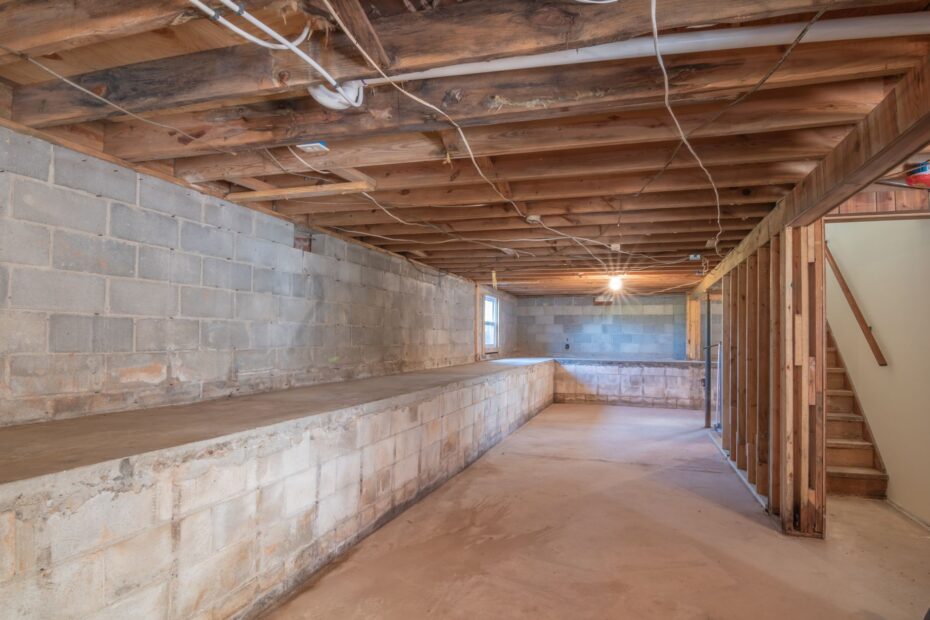
Clogged gutters, hydrostatic pressure, foundation cracks, plumbing defects, and sewer failures can force water below grade. A wet wall strip after rain points to a different source than a puddle beneath a water heater. Your timing, location, and water appearance narrow the source.
This coverage helps you trace moisture, choose a repair path, estimate costs, and respond safely before water damages flooring, wiring, stored items, or finished walls.
Basement Water Has Several Distinct Sources
Water in a basement does not always come through the foundation. Rain can enter through an exterior opening, groundwater can seep through concrete, plumbing leaks can release indoor water, and sewer backup can force contaminated water through a floor drain. Your cleanup and repair path depends on the source.
Rainwater and snowmelt near the foundation feed recurring moisture problems. Saturated soil holds water against below-grade walls, then water moves through gaps, porous concrete, or joints. Damp materials can develop mold growth within 24 to 48 hours, while standing water near wiring creates an electrical hazard.
| Water source | What it means for your basement | Common clue |
|---|---|---|
| Foundation seepage | Groundwater passes through concrete, cracks, or joints under soil pressure. | Your dampness worsens after long rain or spring thaw. |
| Direct rain entry | Water enters through a window, stairwell, bulkhead, or exterior opening. | Your wet area sits below a window well or door. |
| Plumbing water | A supply line, drain, appliance, or water heater releases indoor water. | Your puddle appears during dry weather. |
| Condensation | Humid indoor air forms droplets on cold pipes or walls. | Your surface feels wet without a clear entry path. |
| Sewer backup | Wastewater returns through a drain because the sewer cannot carry flow away. | Your water looks dark and has a sewage odor. |
Do not label every wet wall a leak. Condensation gathers on cold surfaces, while soil-driven seepage leaves patterns tied to rainfall, thawing ground, or a rising water table.
Water Pressure and Drainage Failures Drive Foundation Leaks
Roof runoff saturates soil beside the house
A single roof valley can send hundreds of gallons beside one wall during a hard storm. Poor exterior grading, gutter overflow, and short downspouts concentrate that water where your foundation needs dry soil.
Your ground should slope away from the house for several feet without a low trench beside the siding. Extend gutters and downspouts so roof water travels away from the foundation instead of soaking the backfill around it.
Excavated soil can form a clay-bowl effect. Dense native clay outside the dig holds water, while looser backfill beside your wall becomes a vertical channel. That channel carries roof runoff downward beside the foundation.
Hydrostatic pressure forces water inward
Saturated soil presses against foundation walls and floors through hydrostatic pressure. Concrete resists compression, yet it is not a waterproof barrier. Pressure pushes groundwater through pinholes, porous areas, foundation cracks, pipe penetrations, and the joint at the floor edge.
Footing drains, also called exterior French drains, collect groundwater near the footing and route it away. A clogged, crushed, undersized, or missing drain leaves water against your home.
- Blocked drain tile: Sediment or roots stop footing drains from moving groundwater toward an outlet.
- Sump pump failure: A stuck float, worn pump, or power outage allows the sump basin to overflow.
- Bad check valve: Discharge water runs back into the pit after the pump shuts off.
- Frozen discharge line: Winter ice blocks pumped water and sends it back toward your foundation.
- High water table: Seasonal groundwater rises above your basement floor and raises inward pressure.
Cracks, Joints, and Below-Grade Openings Create Entry Paths
Foundation joints reveal pressure patterns
Water leaking into basement after heavy rain can appear far from the exterior drainage failure that started it. Water moves through soil, gathers at weak points, and emerges at foundation cracks or floor seams. Your visible wet spot marks an entry path, not always the root source.
Basement leaks where wall meets floor deserve close attention. That seam, called the cove joint, is a natural construction joint. Water rising beneath the slab moves upward there, so a wet perimeter line points more strongly to drainage overload than to one visible wall crack.
| Entry path | Water pattern | Repair direction |
|---|---|---|
| Vertical wall crack | Thin wet line after rain near one area | Crack injection after exterior drainage review |
| Wall-to-floor joint | Perimeter seepage or damp floor edge | Drainage correction, interior drain tile, or both |
| Pipe penetration | Water follows a pipe through the wall | Seal the penetration and reduce outside water load |
| Floor crack | Water rises through one slab location | Inspect groundwater level and slab pressure |
Openings admit rain directly
Window wells fill like small bathtubs after their drains clog with leaves or mulch. Rain rises above the window frame and enters around worn seals. Your window well needs clean gravel, a working drain route, and soil that sheds water away from its rim.
Exterior stairwells and bulkhead doors create similar trouble. A blocked drain at the bottom of a basement stair fills the landing, then pushes water under a door threshold. Damaged flashing, failed caulk, and rusted door seams add direct routes indoors.
The Timing and Appearance of Water Reveal the Source
A dry-day puddle beneath a washing machine needs a different response from a damp perimeter after three days of rain. Water appearance, location, odor, and timing narrow the source before you spend money on a repair that misses the cause.
| What you see | Timing and location | Likely source | Immediate concern |
|---|---|---|---|
| Clear wall dampness | After rain, near an exterior wall | Surface runoff or a crack | Inspect gutters and grading |
| Clear water at floor edge | After prolonged rain or thaw | Hydrostatic pressure or failed footing drains | Check the sump pump and drainage |
| Isolated clean puddle | Any weather, near pipes or appliances | Plumbing leak or appliance leak | Shut off the local water supply |
| Water below window | During a storm | Overflowing window well or failed seal | Clear well drainage |
| Dark, cloudy water | From floor drain with odor and slow drains | Sewer backup | Avoid contact and arrange cleanup |
Plumbing water tends to continue regardless of weather. Watch your water meter with all fixtures off, inspect pipe joints, and look beneath water heaters, softeners, laundry hoses, and HVAC condensate lines. A plumber can isolate a hidden supply or drain failure without exterior excavation.
Dark water, floating debris, a sewage smell, slow fixtures, or water rising from a floor drain point to sewer backup. This is contamination, not routine seepage. Avoid bare-skin contact because floodwater can carry sewage and other hazards, consistent with Federal Emergency Management Agency guidance.
What the water indicates determines whether you can clean safely or need to avoid contact and call for help.
Do not run fans through sewage-contaminated water. Keep children and pets away, avoid bare-skin contact, and leave cleanup to a restoration crew equipped for contaminated loss.
A Safe First Response Limits Damage Before Repairs Begin
Standing water beside an electrical panel, furnace, outlet, or extension cord changes cleanup into a safety issue. Stay out of the area until power is off from a dry location or an electrician confirms safe conditions. Your basement is not a place for improvised electrical work.
Capture photos and short videos of the waterline, entry point, weather, damaged finishes, and affected items before moving belongings. A marked line on the wall shows whether water is rising. Those details help your insurance claim and give a waterproofing contractor evidence beyond a dry floor.
- Stop active plumbing: Close the fixture valve or house water shutoff where indoor piping is the source.
- Move dry items: Raise boxes, fabrics, and electronics above the wet area without entering unsafe water.
- Remove clean water: Use a wet vacuum or pump only after electrical hazards are controlled.
- Pull wet materials: Remove soaked carpet padding, cardboard, and insulation that hold moisture against framing.
- Lower humidity: Run dehumidification and air movement after water removal to limit mold growth.
- Record recurrence: Log rainfall, sump activity, and water location before conditions dry out.
Cleanup handles the damage in front of you, but recurring water needs source control. Fresh wall paint can hide staining for a short period while saturated soil keeps pressing against the foundation.
Lasting Repairs Start Outside and Address the Water Source
Exterior corrections reduce the water load
Start with the route rain follows from roof to ground. Clean gutters, correct gutter overflow, extend downspouts, reshape poor exterior grading, and clear window-well drains before paying for interior coatings. Your exterior should send water away instead of feeding soil beside the basement.
Surface work has limits. A high water table, failed footing drains, or deeply saturated clay needs a drainage system rather than added soil near the wall. Exterior excavation allows a contractor to install or repair drain pipe and a foundation waterproofing membrane against the outside wall.
Repair methods match the failure
A narrow, stable crack responds well to epoxy or polyurethane injection after water pressure drops. Epoxy bonds structural crack faces, while polyurethane expands to block water movement. Your contractor should explain why a crack formed before selecting either material.
Interior drain tile captures water at the wall-floor joint and directs it to a sump basin. A replacement sump pump, such as a Zoeller M53 model sized for the basin and discharge run, moves collected water outside. Battery backup protects your system during an outage, though the battery needs routine checks.
How to fix a leaky basement wall from the inside depends on the source. Interior injection controls an isolated crack, yet paint and surface sealants do not relieve hydrostatic pressure, clear footing drains, or correct roof runoff. Your repair should reduce the water load before it blocks the stain.
Repair Costs, Insurance Limits, and the Right Professional
Small drainage corrections cost far less than excavation, so diagnosis matters before a contractor proposes a full system. Access, soil type, finished walls, local labor rates, and footing depth shift the final amount.
| Work scope | Typical US cost range | What changes the amount |
|---|---|---|
| Gutter cleaning and downspout extension | $150 to $800 | Roof height, guards, and drainage length |
| Minor crack injection | $500 to $1,500 | Crack length, access, and water pressure |
| Sump pump replacement | $600 to $2,000 | Electrical work, basin condition, and backup power |
| Interior drainage system | $5,000 to $15,000 | Basement perimeter, slab removal, and finish restoration |
| Exterior waterproofing excavation | $10,000 to $30,000 or more | Depth, access, soil removal, and drain replacement |
Homeowners insurance frequently covers sudden, accidental plumbing damage, subject to your deductible and policy wording. Gradual seepage, poor maintenance, groundwater, and surface flooding are frequently excluded. Flood insurance is separate from a standard home policy, and sewer backup coverage is often an added endorsement.
Who to call for a water leak in basement depends on the evidence. Call a plumber for pipes, appliances, or drains; contact a restoration company for major clean-water damage or sewage; use a waterproofing specialist for seepage and drainage; bring in a structural foundation contractor for movement-related cracking.
Even after the right repair, routine checks catch renewed water before minor drainage issues become another emergency.
Ongoing Maintenance and Escalation Signs Protect the Basement
Seasonal work catches drainage faults before a storm exposes them. Clear gutters after leaf drop, watch downspout discharge during rain, remove debris from window wells, and operate your sump pump by adding water to the pit. Your discharge outlet should release water away from the house and remain open during freezing weather.
- Check roof drainage: Watch for gutter overflow and soil erosion beside exterior walls during steady rain.
- Inspect grading: Fill settled areas that funnel water toward siding, brick, or window wells.
- Clear well drains: Remove leaves, mulch, and sediment before storm season fills the well.
- Run the sump: Confirm the float starts the pump and water exits through the discharge line.
- Plan for outages: Keep battery backup or a suitable backup-power plan for storms that cut electricity.
- Track wet events: Record rainfall depth, water location, and duration in your home notes.
Hairline shrinkage cracks do not always signal structural trouble. Widening cracks, stair-step cracking in block walls, bowing walls, sticking doors, repeated crack reopening, or persistent floor-level seepage deserve a structural review. Your foundation can move under soil pressure, settlement, or poor drainage, and surface patching will not correct that movement.
Track the next rainfall event from roof edge to discharge point, then inspect the wet area indoors before it dries. Recurring water, structural warning signs, and sewage need targeted help rather than another round of cleanup. That record turns vague basement leaks into a repairable pattern.
Putting It Together
The source matters more than the stain. Water that appears after rain points your attention outside, water that appears in dry weather points toward plumbing or condensation, and foul water needs contamination control. Once you match timing and location to the mechanism, your repair can target drainage, an opening, a pipe, or a sewer line instead of hiding evidence.
FAQ
What is the most common cause of basement leaks?
Poor exterior drainage is a frequent cause. Clogged gutters, short downspouts, and soil that slopes toward your house saturate the ground beside the foundation. That water raises pressure against walls and floors, then enters through cracks, joints, porous concrete, or below-grade openings.
Why is water coming into my basement after heavy rain?
Heavy rain can overload gutters, fill window wells, saturate backfill, and raise groundwater around your foundation. Your water can enter through a wall crack, a floor joint, or a window opening. Check roof discharge and the wet location before deciding that the visible crack caused the problem.
How can I tell whether basement water is from a plumbing leak or groundwater?
Groundwater seepage tracks rain, snowmelt, or a high water table and appears along walls, cracks, or the floor perimeter. A plumbing leak can appear during dry weather near pipes, appliances, or a water heater. Your water meter and shutoff valves help isolate an indoor source.
How can I permanently stop a basement leak?
Long-term control starts by moving water away from your foundation through grading, gutters, downspout extensions, and drained window wells. Your repair can also need crack injection, footing-drain work, interior drainage, or sump service. Paint alone does not lower groundwater pressure against the structure.
Does homeowners insurance cover water leaking into the basement?
Your policy can cover sudden accidental pipe failures and related damage, subject to exclusions and deductibles. Gradual seepage, neglected drainage, groundwater, and flood damage are frequently excluded. Sewer backup coverage can require a separate endorsement, so review your policy before a loss occurs.
What is the average cost to fix a leaky basement?
Your expense can range from $150 to $800 for gutter and downspout work, $500 to $1,500 for a minor crack injection, and $5,000 to $15,000 for interior drainage. Exterior excavation can exceed $10,000 because access, depth, soil, and finish restoration add labor.