A rough idle, a stumble off the line, or an engine that refuses to start after sitting all season usually traces back to the same culprit, namely gummy fuel system deposits. A pour-in additive won’t fix a damaged pump or a failed sensor, but it can soften varnish, clear clogged jets, and bring a tired engine back to life without a teardown. The eight options below cover everything from small lawn equipment to garage-kept classics.
The Shortlist At A Glance

SMA ProQor Berryman B-12 Chemtool 3-Pack 15oz
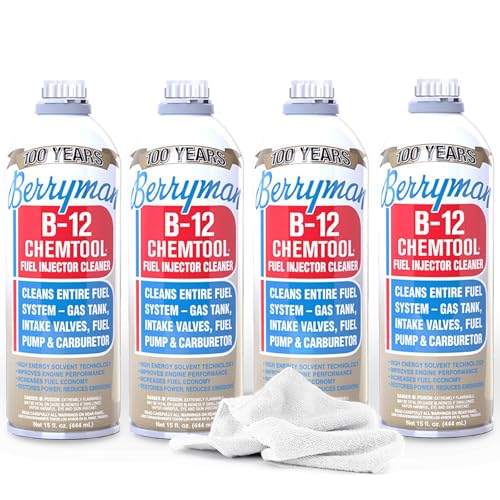
SMA ProQor Berryman B-12 Chemtool 4-Pack 15oz
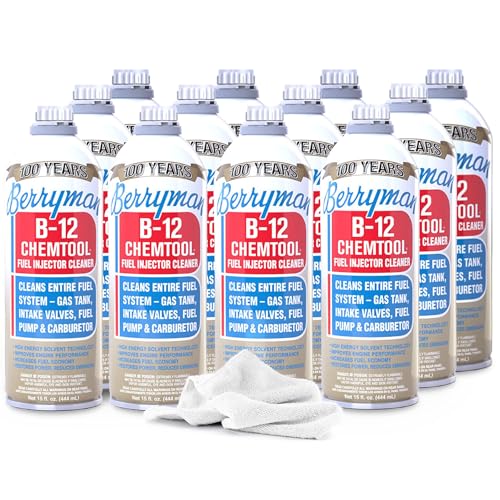
SMA ProQor Berryman 0116 Cleaner 12-Pack 15oz
Berryman B-12 Chemtool 0116 Fuel Cleaner 3-Pack

Lucas Oil 10003 Fuel Treatment 1 Quart

Sea Foam Motor Treatment 16oz 3-Pack

STA-BIL Fast Fix Small Engine Treatment 8oz

Red Line 60103 SI-1 Fuel System Cleaner 15oz
More Details On Our Top Picks
The Berryman B-12 Chemtool formula has earned a long track record among shade-tree mechanics, and this three-bottle bundle stretches a single tune-up across an entire season. Each 15-ounce can treats a typical tank, so the pack covers roughly three full treatments or multiple vehicles in a household. The included shop towel is a small but useful touch for wiping up drips before they bake onto a driveway.
Pour the entire bottle into a near-empty tank, then top off with fuel and drive. The cleaner circulates through fuel lines, injectors, and intake passages as the engine runs, so no disassembly is required. Owners of older daily drivers with rising idle or a faint hesitation under throttle are the most likely to feel a difference after a single treatment.
A Favorable Mix
- Three full treatments give you room to space doses across an entire year
- Catalytic converter and oxygen sensor-safe, so it won’t trip a check engine light on modern cars
- Works through the whole fuel path, from tank to combustion chamber
- Included shop towel saves a trip to the parts store for cleanup
Things To Consider
- Heavily carbon-fouled engines may need a second bottle before idle quality improves
- The 15-ounce size is overkill for a small motorcycle or lawn tank
- Storage matters: keep bottles sealed and upright, as the solvent smell escapes quickly once cracked
At A Glance
Whose Garage It Belongs In
Home mechanics treating one daily driver or two weekend cars on a slow rotation get the most mileage out of this bundle.
Look Elsewhere When
Someone running a small fleet or multi-driver shop should step up to the 12-pack Berryman bundle instead.
One extra bottle over the three-pack, same Berryman 0116 chemistry, same oxygen sensor-safe formula. The fourth can makes sense in households where a second vehicle gets treated at the same time, or where someone wants a spare bottle on the shelf before fuel stabilizer season arrives. For most solo drivers, the math gets fuzzy past three cans, but the price-per-bottle drops slightly here.
Use it the same way as the smaller bundle: pour into a near-empty tank, fill up, and let the engine run through its normal cycle. Drivers running on E10 fuel in older carbureted engines see the biggest benefit, since ethanol attracts water and accelerates varnish formation.
Strengths Worth Knowing
- Four treatments cover most of a calendar year of seasonal dosing
- Same sensor-safe formulation protects modern emissions hardware
- Slightly lower per-bottle cost than the three-pack
Worth Noting
- The fourth can often outlasts its two-year shelf life in casual use
- Pour spout design is unchanged from earlier Berryman bottles, so a funnel helps avoid splashing
Made For
Two-car households or anyone rotating treatments between a daily driver and a weekend classic.
Consider Something Else When
Solos with one vehicle get better value stepping down to the Berryman B-12 Chemtool 0116 Fuel Cleaner 3-Pack.
A twelve-can case crosses firmly into shop or fleet territory. Independent mobile mechanics, small repair garages, and property managers keeping a handful of mowers and generators running will find this format practical. For a single household vehicle, twelve bottles is genuine overkill unless you’re also planning to clean carburetor parts, soak fuel system components, or share with neighbors.
The chemistry stays identical to the smaller Berryman bundles: pour-in, sensor-safe, full fuel path coverage. Owners commonly report that opening one can per vehicle per service interval keeps carburetor float bowls cleaner and reduces springtime no-start calls on equipment that sits for months.
Positive Takeaways
- Bulk format brings the per-bottle cost down meaningfully
- Spare cans handle multiple vehicles without reordering
- Shop towel included, useful for wiping throttle bodies during intake service
Honest Caveats
- Storage becomes a real consideration with a full case on hand
- Overkill for any single household driver
Feature Snapshot
Best Suited To
Small shop operators and fleet managers running multiple gasoline engines in rotation.
Skip It When
Homeowners with one car and a single push mower should grab the smaller Berryman B-12 Chemtool 0116 Fuel Cleaner 3-Pack instead.
Same Berryman 0116 chemistry in a stripped-down three-pack with no shop towel, no extra accessories. For drivers who already have rags in the garage and only need the chemical, this is the simplest way to stock up. The pour-in convenience stays identical to the bundled versions, and the can size is still 15 ounces per treatment.
It’s a sensible match for someone treating the same vehicle every 3,000 to 5,000 miles as part of a regular maintenance habit. The trade-off is no towel included, so factor in a microfiber or two if your workspace runs dry.
Practical Pluses
- Pure 3-pack with no add-ons, focused on the chemical itself
- Sensor-safe formula protects catalytic converter and oxygen sensor
- Covers the full fuel path, from tank through combustion chamber
Points To Keep In Mind
- No shop towel means cleanup rags need to come from your own stock
- Per-bottle cost is similar to the bundled 3-pack without the extras
Who It Suits Best
Home mechanics with an established garage routine who just want the refill chemistry at a straightforward quantity.
A Better Fit Elsewhere
Anyone wanting bundled cleanup supplies should consider the SMA ProQor Berryman B-12 Chemtool 3-Pack 15oz instead.
Lucas Oil has a long reputation, and the 10003 quart takes a different angle from most additives here. Where Berryman leans hard into solvent strength for cleaning, Lucas blends oils with additives that lubricate upper cylinders while also tackling deposits. Long-haul drivers and owners of older engines with worn valve guides tend to gravitate toward this profile.
The quart format means multiple treatments from one container, which makes the math easier for someone treating a fleet vehicle every oil change. It also pours cleanly thanks to the included spout, which matters when you’re working under a hood at the end of a long day.
Useful Highlights
- Larger quart size covers multiple treatments from a single container
- Oil-and-additive blend also lubricates upper cylinders during combustion
- Trusted brand among diesel pickup and hot-rod circles for decades
Trade Offs
- Cleaning action is gentler than pure-solvent formulas like Berryman
- Quart size is bulky for occasional users
Quick Facts
Right Fit For
Long-distance commuters and drivers of older, higher-mileage engines that benefit from added upper-cylinder lubrication.
Where Another Pick Suits Better
Owners chasing the strongest cleaning action on heavy carbon should pick the Berryman B-12 Chemtool 0116 Fuel Cleaner 3-Pack instead.
Sea Foam is the swiss-army option in this roundup. It works as a fuel system cleaner, an oil treatment added at oil change, and a stabilizer for equipment stored through winter. The three-pack of 16-ounce cans covers a wide range of household uses, from a gas-powered push mower to a diesel pickup truck.
The brand also enjoys a strong following among owners of older vehicles and small engines. Adding it to fuel every 3,000 miles is the routine most owners settle into, and using it through the oil crankcase before a change helps lift sludge in neglected engines.
Points In Its Favor
- Triple-purpose: fuel cleaner, oil treatment, and storage stabilizer
- Works in both gasoline and diesel engines
- Three-pack provides flexibility across multiple machines
Possible Compromises
- Strong petroleum smell during treatment takes getting used to in enclosed spaces
- Less aggressive solvent action than dedicated cleaners on heavy deposits
Who Will Love This
Owners with a mixed garage of cars, trucks, and seasonal equipment want one product that handles all of it.
Swap It Out When
Drivers focused strictly on carburetor cleaning power get a stronger solvent formula from the Berryman B-12 Chemtool 0116 Fuel Cleaner 3-Pack.
STA-BIL Fast Fix sits in a different lane than the rest of the list. It’s built for small engines, the kind of machines that sit all winter and refuse to start in spring. The 8-ounce bottle treats up to 20 gallons of fuel, which makes it well-matched to lawn mowers, snow blowers, generators, and pressure washers with small tanks.
The formula targets gum and varnish that choke carburetors after long sits, plus it draws out water that condensation leaves in fuel tanks. For homeowners tired of rebuilding a carburetor every spring, a pour-in dose before storage is a much cheaper alternative.
The Upside
- Treats up to 20 gallons, covering a full season of small-engine fuel
- Targets the exact gum and varnish that fouls small carburetors
- Pulls water out of fuel tanks, which matters for equipment that sits outdoors
Less-Strong Areas
- Not formulated for modern direct-injection automotive engines
- Small bottle runs out quickly on larger equipment with bigger tanks
Perfect Match For
Homeowners maintaining push mowers, leaf blowers, generators, and snow blowers that see seasonal use.
Reach For A Different Pick When
Daily-driver automotive use calls for a stronger cleaner like the Berryman B-12 Chemtool 0116 Fuel Cleaner 3-Pack instead.
Red Line SI-1 brings a high-temperature and low-temperature detergent package designed to clean injectors, valves, and combustion chambers while also preventing corrosion in the fuel system. Enthusiasts chasing sharper throttle response and smoother cold starts are the natural audience here, especially on engines that see track days or high-load driving.
The single 15-ounce bottle treats a typical tank, and Red Line’s reputation among performance-focused drivers speaks louder than any marketing claim. It’s also a thoughtful choice for stored classics, where the corrosion-prevention side helps during long winter sits.
Where It Helps
- Dual-temperature detergent blend tackles deposits that single-temperature formulas miss
- Adds corrosion protection, useful for stored vehicles and marine use
- Trusted among performance and racing communities
A Few Limitations
- Single bottle means reordering for frequent use
- Price per ounce sits higher than the Berryman bundles
Feature Card
Who Should Grab It
Performance enthusiasts and owners of stored classics who want a premium additive with corrosion protection built in.
Not Your Match When
Budget-focused shoppers treating one daily driver get better value from the Berryman B-12 Chemtool 0116 Fuel Cleaner 3-Pack.
Choosing The Right Fuel System Treatment For Your Garage
Match The Additive To The Engine
Carburetor cleaner additives aren’t one-size-fits-all. Carbureted engines, modern fuel-injected engines, and small seasonal engines each respond differently to solvent strength and additive chemistry. Heavy carbon on a stuck choke plate calls for stronger solvent formulas like Berryman, while small engine storage benefits from water-removing blends like STA-BIL Fast Fix.
Think About Treatment Frequency
How often you drive matters more than which bottle looks most impressive. Daily drivers benefit most from quarterly doses, while stored equipment needs a single pre-storage treatment. Stocking a multi-pack pays off when you treat the same vehicle every oil change, but a single premium bottle suits occasional use better.
Sensor Safety And Modern Engines
Any additive going into a car built after 1996 should be oxygen sensor and catalytic converter safe. Most quality products call this out clearly, and ignoring it risks fouling emissions hardware that costs far more to replace than the bottle of additive itself.
Common Pitfalls Shoppers Hit
Trusting The Strongest Solvent Wins
The strongest cleaner isn’t always the right pick. Aggressive solvents can overwhelm small carburetor passages and even lift debris that clogs them downstream. For most vehicles, a mid-strength sensor-safe formula does the job without risk.
Skipping Pre-Storage Treatment
Equipment that sits for months develops varnish faster than daily-driven vehicles. A small dose of fuel stabilizer or storage additive before parking equipment for the season prevents the springtime no-start headache that’s far more expensive to fix.
Where The Extra Money Goes
Premium Blends Add Lubrication And Protection
Higher-tier additives like Red Line SI-1 and Lucas Oil 10003 include upper-cylinder lubrication and corrosion protection beyond basic cleaning. The upgrade pays off on older engines, performance builds, and stored vehicles where plain cleaning isn’t the whole job.
Frequently Asked Questions
How often should a fuel system cleaner be used?
Most products recommend treating the tank every 3,000 to 5,000 miles for daily drivers, or once before long-term storage for seasonal equipment. Over-treating rarely causes harm but wastes product.
Can fuel additives damage a catalytic converter?
Sensor-safe formulas are specifically engineered to avoid harming catalytic converters and oxygen sensors. Always check the label for sensor-safe confirmation before pouring any additive into a modern vehicle.
Will a pour-in additive fix a bad carburetor?
Additives handle gum and varnish on lightly fouled carburetors, but they can’t repair worn needles, stuck floats, or cracked bodies. Severe symptoms usually need a rebuild or replacement.
Do additives work on diesel engines?
Some products are dual-rated for gas and diesel. Sea Foam is a common example. Always confirm diesel compatibility before treating a diesel fuel system.
Is it safe to mix different brands of additives?
Mixing brands in the same tank is generally discouraged because the detergent chemistries can interact unpredictably. Stick with one product per treatment cycle for predictable results.
Closing Thoughts
The right additive depends on what’s in your garage and how often you drive it. A carbureted classic, a daily commuter, and a snow blower each call for different approaches. Pick the format that matches your maintenance rhythm, follow the dose on the label, and most rough-running engines settle back into a smoother idle within a tank or two.