A rough idle, a stumble on acceleration, or fuel that’s been sitting since last fall all point the same direction: deposits are building somewhere in the system. Carb cleaner fuel additives pour into the tank and travel with the fuel, dissolving gum, varnish, and carbon before they choke off flow. Pick the right formula for your engine type, and you get smoother starts, restored throttle response, and combustion that actually burns cleanly. The eight options below cover everything from daily-driver sedans to outboard motors and stored seasonal equipment.
The Choices Worth Comparing

Sea Foam Marine PRO MP20 Fuel Treatment, 20 oz, 3-Pack

Berryman B-12 Chemtool 0116 Fuel Injector Cleaner, 15oz (3-Pack)
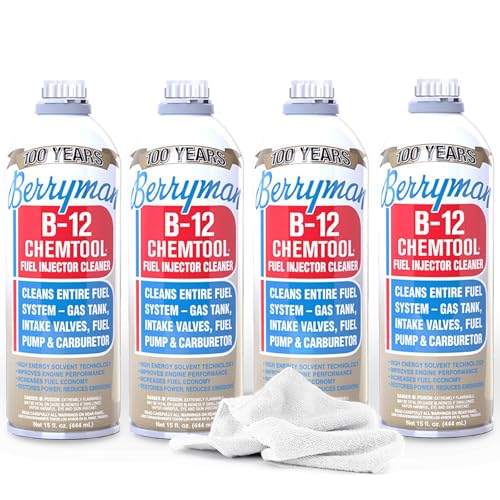
Berryman B-12 Chemtool 0116 Fuel Injector Cleaner, 15oz (4-Pack)

Sea Foam Motor Treatment SF16 Fuel System Cleaner, 16 oz, 3-Pack

STA-BIL Storage Fuel Stabilizer, 16 oz

Lucas Oil 10003 Fuel Treatment, 1 Quart

Sea Foam Bugs B Gone Bug and Crud Remover BBG16, 16oz, 3-Pack

Red Line 60103 SI-1 Complete Fuel System Cleaner, 15 oz
A Breakdown Of The Leading Choices
Boats and jet skis punish fuel systems with long storage periods, moisture, and ethanol-blend gas. The Sea Foam Marine PRO MP20 formula is engineered for exactly that environment, working through both carburetors and fuel injectors to dissolve residues that build up in marine powerheads. Outboard and inboard owners dealing with hard starts after winter layup often find this treatment brings idle quality back without a shop visit.
Where it really earns its place is during the off-season. The stabilizer component holds fuel fresh for extended storage, so you don’t drain the tank every fall. It also adds high-temperature lubricity to protect upper cylinder components from wear, which matters on marine engines that run hot under load.
Notable Gains
- Targeted for 2-stroke and 4-stroke marine engines, so you’re not pouring a generic additive into a powerhead that needs specific chemistry
- Combines cleaning and stabilization in a single pour, simplifying spring commissioning
- High-temperature lubricity helps resist wear on cylinder walls and valves under sustained load
- Works through carburetors and fuel injectors, covering both older and newer marine systems
Things To Consider
- Formulated specifically for marine engines, so it’s not a fit for daily-driver cars or trucks
- Owners of multi-tank boats should plan dosing across each fuel reservoir separately
Who It Suits Best
Boat and jet ski owners who winterize or store equipment for months at a time and want one additive that handles both stabilization and deposit removal.
Consider Something Else When
Daily-driver commuters will find Sea Foam Motor Treatment SF16 a more versatile match for gasoline and diesel road vehicles.
Carburetors in particular collect varnish slowly, then all at once choke off idle circuits. Berryman B-12 Chemtool has a long reputation as a professional-grade solvent that lifts gum and carbon without requiring tank removal. Pour it straight into the fuel, run the engine, and the chemistry circulates through injectors, intake valves, and combustion chambers as the motor runs.
For weekend mechanics tackling a rough idle or hesitation on acceleration, the 15-ounce can format offers a measured dose. The included shop towel is a small but useful touch when working around the filler neck.
What Helps Most
- Designed specifically for dissolving gum, varnish, and carbon that throttle carburetor circuits
- Catalytic converter and oxygen sensor safe, so you can run it through modern emissions-equipped engines without worry
- Treats the entire fuel path from tank to chamber in a single drive cycle
Honest Caveats
- Heavily varnished carburetors may need more than one treatment cycle to clear fully
- Strong solvent smell in the garage during treatment, so ventilate the workspace
Right Fit For
Garage DIYers working on older carbureted vehicles and small engines where stubborn deposit buildup is causing drivability issues.
Look Elsewhere When
Owners of multiple vehicles or fleet-style operations will get more mileage from the 4-pack version that follows in this list.
The 4-pack version of Berryman B-12 Chemtool delivers the same deposit-fighting chemistry in higher volume. For a household with a sedan, a pickup, a lawn tractor, and a generator, the extra cans go fast. The formula cleans injectors, carburetors, intake valves, and combustion chambers while supporting smoother idle and improved throttle response over repeated use.
Where this bundle differentiates is shelf life and convenience. Having four cans on hand means you can treat a vehicle, then return three months later for the next tune-up without reordering. A shop towel is included for workspace cleanup.
A Favorable Mix
- Higher volume per purchase lowers the per-treatment cost for households running multiple engines
- Same oxygen-sensor-safe and catalytic-converter-safe formula as the 3-pack
- Supports smoother idle, restored throttle response, and better combustion efficiency when used regularly
Points To Note
- Larger bundle may be more than a single-vehicle owner needs upfront
- Storage in a garage requires cool, stable temperatures to preserve solvent effectiveness over time
Who Should Grab It
Multi-vehicle families and small-shop operators who want a steady supply of professional-grade cleaner without reordering monthly.
A Better Fit Elsewhere
Someone maintaining a single daily driver may prefer the 3-pack Berryman B-12 Chemtool listed above for a smaller initial commitment.
The standard-bearer of the category, Sea Foam Motor Treatment has earned its reputation across decades of garage use. The SF16 formula works as a fuel system cleaner, fuel stabilizer, and oil treatment in a single bottle, which explains why it shows up in so many owner manuals and toolboxes. The 3-pack format gives you enough volume for a full treatment cycle plus reserves.
What separates it from single-purpose additives is breadth. You can run it through the fuel tank to clear injectors and carburetor restrictions, add a measured amount to crankcase oil to dissolve sludge, or stabilize fuel for a motorcycle that sits all winter. That triple-duty nature is the honest read on why it stays popular.
Practical Advantages
- Cleans injectors, carburetor restrictions, and chamber deposits through one tank pour
- Compatible with gasoline, gas-ethanol blends, diesel, and diesel blends, covering most road vehicles
- Doubles as crankcase oil additive for sludge control during oil change intervals
- Suitable for both conventional and synthetic motor oils
Trade Offs
- Three-in-one flexibility means it may not specialize as aggressively as a dedicated injector cleaner on severely fouled systems
- Recommended dosing every 3,000 miles means steady consumption for high-mileage drivers
Best Suited To
Daily drivers, light trucks, and mixed-fuel garages that want a single bottle for cleaning, stabilizing, and oil treatment duties.
Skip It When
Marine-specific needs for outboards and inboards are better served by the Sea Foam Marine PRO MP20 reviewed earlier in this list.
STA-BIL takes a different angle on the additive category. Rather than aggressively cleaning existing deposits, it focuses on preventing fresh fuel from breaking down during storage. The 16-ounce bottle treats a meaningful volume of gasoline, making it a practical choice for people who maintain seasonal equipment, classic cars, or backup generators.
Where it earns its place is the spring startup moment. A tank that’s been sitting since October with STA-BIL in it typically fires without the rough idle and varnish smell that untreated fuel develops. For mowers, snowblowers, and motorcycles that see only a handful of uses a year, it’s a small habit that prevents big headaches.
Useful Highlights
- Single-purpose stabilizer designed to keep fuel fresh through months of storage
- Compact 16-ounce bottle stores easily on a garage shelf without taking much space
- Prevents the varnish and gum formation that clogs carburetors during long layups
Worth Bearing In Mind
- Not formulated to clean heavy existing deposits the way Berryman B-12 Chemtool does
- Works best as a preventive measure, so engines already gummed up need a separate cleaning pass first
Made For
Owners of classic cars, lawn equipment, generators, and seasonal recreational vehicles who need fuel to stay usable between uses.
Swap It Out When
Daily-driven cars and trucks benefit more from Sea Foam Motor Treatment SF16, which combines stabilization with active cleaning.
Lucas Oil brings a heavier oil-and-additive blend to the category, formulated to address power loss, fuel economy, and emissions through more complete combustion. The 1-quart size is significantly larger than the 15- or 16-ounce bottles elsewhere on this list, which suits work trucks, diesel pickups, and small commercial fleets that burn through additives quickly.
For vehicles already running rough or showing symptoms of fuel system neglect, the higher additive concentration can help restore more efficient combustion. Lucas positions the formula around lubrication, corrosion protection, and cleaner burning, all of which align with longer engine life on high-mileage iron.
The Upside
- Generous 1-quart format suits high-fuel-volume vehicles and frequent dosing
- Blends lubrication with combustion chemistry, supporting both fuel system and upper engine protection
- Works across gasoline and diesel applications, covering mixed fleets
Some Limits To Know
- Bottle is larger than most passenger car owners need for a single treatment cycle
- Heavier oil blend may not suit engines requiring low-ash or specific additive certifications
Whose Shelf It Belongs On
Work trucks, diesel pickups, and farm equipment owners who burn large fuel volumes and prefer buying in bulk sizes.
Not Your Match When
Sedan owners treating a single vehicle will likely prefer the 15- or 16-ounce canisters of Berryman B-12 Chemtool or Sea Foam Motor Treatment SF16.
Technically a departure from the fuel system category, Sea Foam Bugs B Gone earns a place on this list because highway-driven vehicles often need both fuel system care and exterior cleaning in the same maintenance session. The formula targets dried-on bug residue, organic crud, brake dust, and road grime that ordinary car wash soap leaves behind.
Pre-soaking the front end before a wash cuts down on the scrubbing that scratches paint, and the chemistry is gentle enough for regular use across cars, trucks, RVs, and motorcycles. Three 16-ounce bottles give you coverage for multiple washes or larger vehicles.
Strong Points
- Lifts stubborn bug splatter and road grime faster than standard car wash soap, reducing scratch risk from scrubbing
- Versatile across cars, trucks, RVs, motorcycles, and even household surfaces like kitchen and bath
- Works as a pre-soak before a regular wash, fitting into existing cleaning routines
Where It Is Less Suited
- Not a fuel system additive, so it doesn’t address carburetor or injector cleaning directly
- Pre-soak step adds time compared to a one-step wash product
Perfect Match For
Highway commuters and road-trip vehicles that collect bug splatter and road grime faster than average and need a dedicated pre-wash solution.
Reach For A Different Pick When
Active fuel system cleaning requires a pour-in additive like Berryman B-12 Chemtool rather than an exterior wash product.
Red Line’s SI-1 sits at the enthusiast end of the category, formulated with concentrated high-temperature and low-temperature detergents that target injector, carburetor, valve, and combustion chamber deposits. For performance builds, modified engines, and vehicles running on ethanol-rich pump gas, the stronger detergent load is often what separates a smooth idle from a persistent stumble.
Available in 15-ounce and 4-ounce sizes, the cleaner also addresses corrosion prevention in fuel systems, a meaningful benefit for vehicles that sit between drives or live in humid climates. The chemistry is designed to clean without stripping the protective coatings that older fuel system components rely on.
What Makes Sense
- Combines high-temp and low-temp detergents to address deposits across a wider operating range
- Cleans injectors, carburetors, valves, and combustion chambers in a single treatment
- Includes corrosion prevention, helping protect fuel system components during storage or humid conditions
Potential Drawbacks
- Premium positioning commands a higher per-bottle cost than entry-level additives
- Concentrated formula may be more than a stock, well-maintained engine actually needs
Built With In Mind
Performance enthusiasts, modified engines, and owners of high-mileage vehicles that benefit from a stronger detergent blend.
Where Another Pick Suits Better
Stock daily drivers in good mechanical condition often do fine with the more general-purpose Sea Foam Motor Treatment SF16 at a lower cost per treatment.
What Matters Most Before Choosing Carb Cleaner Fuel Additives
Match The Additive To The Engine Type
Marine engines, daily-driver gasoline cars, diesel pickups, and seasonal equipment each face different fuel chemistry challenges. Ethanol-blend pump gas attacks rubber components and attracts moisture in stored fuel, while marine engines add humidity and long layups to the mix. Choosing an additive specifically formulated for your engine type means the detergent package addresses the right kind of deposit, in the right concentration, without unwanted side effects on seals or sensors.
Decide Between Cleaning And Stabilizing
Single-purpose fuel stabilizers like STA-BIL focus on keeping fresh fuel from breaking down during storage. Multi-purpose cleaners like Sea Foam Motor Treatment SF16 or Berryman B-12 Chemtool actively dissolve existing varnish, gum, and carbon. Knowing whether your problem is prevention or restoration helps narrow the field quickly. Neglected fuel systems usually need cleaning first, then stabilization for ongoing protection.
Consider Dose Frequency And Bottle Size
A 15-ounce can suits a single sedan treated every few months, while a 1-quart bottle makes more sense for fleets, work trucks, and high-mileage drivers dosing frequently. Buying in multi-packs lowers per-treatment cost for households running multiple vehicles, but it also means more garage storage and a longer commitment to a particular formula. Match the format to your actual usage pattern rather than to bulk savings alone.
Check Compatibility With Modern Emissions Components
Catalytic converters and oxygen sensors are sensitive to certain additive chemistries. Most established brands on this list are formulated to be safe for modern emissions systems, but it’s worth confirming before pouring anything into a vehicle still under factory warranty or one with strict emissions requirements. Older carbureted engines tend to be more forgiving across additive types, while direct-injection engines benefit from stronger detergent blends.
What To Weigh Across The Shortlist
Where Shoppers Go Wrong
Treating a heavily gummed carburetor with a stabilizer-only product is a common mismatch. STA-BIL prevents varnish from forming but won’t dissolve deposits that have already built up over years of use. The right sequence is clean first, then stabilize. Another trap is ignoring the fuel-to-additive ratio; over-treating with concentrated formulas can flood the combustion chamber and cause symptoms that look like engine problems. Always follow the bottle’s recommended ratio for your tank size.
Why Top Tier Costs More
Premium additives like Red Line SI-1 command higher prices because of concentrated detergent blends that target both high-temperature and low-temperature deposit zones. For a stock daily driver in good shape, that extra cleaning power may go unused. For performance builds, modified engines, or high-mileage vehicles with persistent drivability issues, the stronger chemistry often pays for itself in fewer treatment cycles and more consistent combustion. The honest read is that the upgrade makes sense when you can actually use the extra cleaning power your engine needs.
Frequently Asked Questions
How Often Should You Use A Carb Cleaner Fuel Additive?
Most pour-in treatments work on a cycle of every 3,000 to 5,000 miles for active cleaning, or once per fill-up for ongoing maintenance in older vehicles. Heavy varnish may need two consecutive treatments before symptoms clear.
Are Carb Cleaner Additives Safe For Modern Fuel Injectors?
Reputable formulas from established brands are designed to be safe for injectors, oxygen sensors, and catalytic converters. Avoid off-brand chemistries with unknown additive packages, especially on emissions-equipped engines still under warranty.
Can You Use The Same Additive In Gasoline And Diesel Engines?
Several picks on this list, including Sea Foam Motor Treatment and Lucas Oil 10003, are rated for both gasoline and diesel applications. Marine-specific formulas like Sea Foam Marine PRO MP20 are not interchangeable with diesel road engines.
Will Fuel Additives Fix A Dirty Carburetor Without Disassembly?
Pour-in additives can clear light to moderate varnish and gum deposits during normal driving. Heavily fouled carburetors with stuck floats or plugged idle circuits usually still need manual disassembly and cleaning regardless of additive use.
Should You Add Stabilizer With Every Fill-Up Or Just Before Storage?
For vehicles used weekly, adding stabilizer with every fill-up is generally unnecessary. For seasonal equipment, classic cars, and backup generators, dosing the fuel just before storage and running the engine briefly to circulate the additive is the typical practice.
The Takeaway
The right pick depends on what your engine actually needs. Marine owners reach for Sea Foam Marine PRO MP20, while daily drivers in mixed conditions benefit from Sea Foam Motor Treatment SF16’s three-in-one flexibility. Berryman B-12 Chemtool handles stubborn deposit clearing, STA-BIL protects stored fuel, Lucas Oil 10003 covers heavy-duty fleet use, Red Line SI-1 serves performance builds, and Sea Foam Bugs B Gone rounds out the routine for highway-driven vehicles. Match the formula to the engine, dose on a sensible schedule, and the result is smoother idle, cleaner combustion, and longer component life.