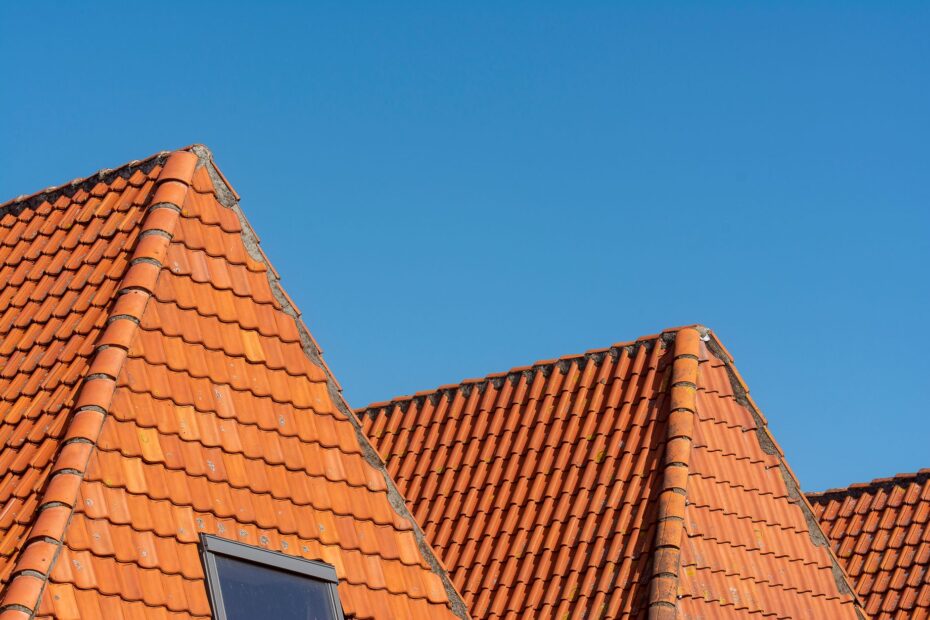
Basic asphalt shingles may serve for 15 years, while sound natural slate can protect a home for more than a century when properly installed. Your replacement date can arrive sooner after heat exposure, leaks, weak flashing, poor installation, or moisture damage affects the full roof assembly.
This overview helps you judge material ranges, climate exposure, roof design, upkeep needs, and visible warning signs before you plan repairs or replacement work.
Roof Covering Sets the Starting Service Range
A roof does not reach the end of service on one fixed date. The covering sets a broad range, while climate and weather exposure, installation quality, and the layers beneath the surface shape how close your roof comes to the upper end.
Basic asphalt shingles can serve for 15 to 25 years, while natural slate can remain useful for 75 to 150 years or longer. Your roofing material lifespan starts with that gap, but the material alone does not set the final replacement date.
The surface layer relies on hidden parts
Shingles, metal panels, tiles, wood shakes and shingles, and slate form the weather-facing layer. Beneath them sit underlayment, flashing, fasteners, roof decking, roof ventilation paths, gutters, and downspouts, each with its own aging pattern.
A split at chimney flashing can send water below an otherwise sound field of shingles. You can have years left in the roof covering and still face interior damage from a failed pipe boot, valley detail, or wall flashing.
Published service labels describe product classes
Manufacturer labels sort roof products into durability classes under stated terms. They do not promise that your roof will remain leak-free for the number printed on a bundle, especially under intense sun, hail, standing water, or attic moisture.
For example, a 30-year architectural shingle roof in a shaded Michigan neighborhood can age very differently from the same shingle exposed to Texas heat and wind. Your label describes a product category, not the calendar above your house.
Common Roof Materials Have Distinct Service Ranges
That range becomes easier to judge once the roof coverings sit beside each other. Asphalt shingles remain a common steep-slope choice, while metal, tile, and slate change both the renewal interval and the work required below the surface.
| Material | Broad service range | Maintenance level | Main aging risk |
|---|---|---|---|
| Basic asphalt shingles | 15-25 years | Moderate | Granule loss, heat, wind lift |
| Architectural shingles | 20-30 years | Moderate | Heat aging, flashing leaks |
| Wood shingles or shakes | 20-40 years | High | Rot, insects, fire exposure |
| Metal roofing | 40-70 years | Low to moderate | Corrosion, fastener movement |
| Clay or concrete tile | 50 years or more | Moderate | Broken units, aging underlayment |
| Natural slate | 75-150 years or longer | Moderate | Fastener failure, cracked stone |
Asphalt shingle lifespan rises from basic three-tab products to thicker architectural shingles because laminated construction resists wind and surface wear better. Your shingle roof still depends on intact seal strips, correctly driven nails, and dry decking.
Metal roof lifespan reaches 40 to 70 years with sound coatings, suitable fasteners, and prompt work on scratched finishes. Copper and zinc systems can outlast painted steel or aluminum by decades, though their seams and flashing still need skilled installation.
Clay tiles and concrete tiles resist sun and rain for 50 years or more, but the water-shedding pieces are not the only barrier. Your underlayment can wear out long before the tile, turning a durable surface into reroof work beneath the existing tiles.
Slate roofing sits at the far end of roof lifespan by material because stone changes slowly. But slate depends on sound framing, proper headlap, compatible flashing, and nails that do not rust away before the stone does.
Longer Service Ranges Bring Structural Tradeoffs
A longer renewal interval does not automatically make a covering suitable for your home. Asphalt starts with lower installation expense and simpler patch work, while metal roofing, tile, and slate place greater demands on structural capacity and installation skill.
| Material family | Upfront expense | Structural demand | Long-term tradeoff |
|---|---|---|---|
| Asphalt shingles | Lower | Light | Shorter renewal cycle, familiar repairs |
| Metal roofing | Moderate to high | Light to moderate | Long service range, detail-sensitive penetrations |
| Clay or concrete tile | High | Heavy | Long-lived surface, underlayment work later |
| Natural slate | High | Very heavy | Very long service range, specialized repairs |
Your ownership horizon changes the calculation. A house expected to change hands in five years calls for a different material decision than a house facing 30 more years of weather exposure under the same owner.
Lifecycle expense includes reroof cycles, repair labor, and deck work found after old materials come off. You should account for roof pitch, chimney complexity, access limits, and the availability of skilled slate or tile crews near your property.
Slate and tile can weigh several times more than asphalt shingles. Have a qualified professional review roof deck condition and structural load capacity before placing either material on an older house.
Climate Exposure Changes Material Aging
Sunlight can age a dark asphalt roof like a slow oven. Ultraviolet exposure dries asphalt oils, heat loosens granules, and daily temperature swings stress seal strips, fasteners, coatings, and seams across nearly every roof type.
| Climate condition | Main roof risk | Material detail that matters |
|---|---|---|
| Hot and sunny | UV aging and thermal movement | Ventilation, reflective finishes, shingle quality |
| Cold and snowy | Ice dams and freeze-thaw cycles | Ice barrier, insulation, snow shedding |
| Humid and wooded | Algae, moss, trapped moisture | Debris removal and airflow |
| Coastal | Salt-air corrosion | Corrosion-resistant panels and fasteners |
| Hail-prone | Impact fractures and punctures | Impact-rated covering and inspection |
| Wildfire-prone | Ember entry and surface ignition | Metal, tile, slate, protected vents |
Heavy snow adds load, but ice dams create a different risk. Warm attic air melts snow near the ridge, and refreezing water near the eaves can move beneath shingles, so your insulation and roof ventilation matter as much as the surface material.
Coastal metal work needs compatible, corrosion-resistant fasteners and flashings because salt can attack mismatched metals. Clear windblown branches and leaves promptly, since wet debris holds moisture against panels, tile laps, and wood shakes.
Metal sheds snow well and resists ember exposure, while tile and slate resist several forms of weathering. Their long service potential still rests on sound flashing, secure attachment, and details suited to high wind or freeze-thaw movement.
Even durable materials fail early when the assembly leaves water or wind a path behind them.
Installation Details Control Early Failures
Premature leaks tend to begin at an interruption instead of the middle of a roof field. Chimneys, skylights, walls, vents, valleys, and plumbing stacks concentrate water and need flashing that sends runoff back onto the roof covering.
Fastener and flashing work shape weak points
Incorrect nail depth can crack shingles, leave fasteners exposed, or reduce wind resistance. Loose metal screws, missing closure strips, poor tile attachment, and short slate headlap create similar paths for water and wind.
Your roof pitch changes the material choices that work safely. A shallow slope sheds water slowly, so coverings intended for steep slopes can leak there even though they appear sound from the street.
Attic air affects the layers above
Balanced roof ventilation moves hot, moist air outward while intake openings draw replacement air near the eaves. That movement reduces heat buildup under asphalt shingles and lowers condensation risk on the underside of roof decking.
Insulation belongs in the same conversation because warm air leaks feed ice dams in snowy states. You can reduce that risk by sealing attic-floor gaps around wiring, recessed lights, plumbing chases, and access hatches before adding insulation.
- Inspect flashing laps. Look for lifted edges, cracked sealant, and rust around chimneys, walls, and vent stacks.
- Check nail placement. Fasteners should sit flush rather than cut through a shingle or stand proud above it.
- Keep intake clear. Soffit vents clogged by insulation starve the attic of replacement air.
- Watch valleys closely. Valleys carry concentrated runoff and reveal installation errors sooner than broad roof fields.
- Confirm slope limits. Match the covering and underlayment method to your roof’s actual pitch.
Flat and Low-Slope Roofs Depend on Drainage
Water that remains for 48 hours on a low-slope roof signals a drainage problem rather than a harmless puddle. Flat roof lifespan depends heavily on membrane seams, drains, scuppers, tapered insulation, foot traffic, and prompt correction of standing water.
| Low-slope system | Broad service range | Failure point to watch |
|---|---|---|
| Modified bitumen | 15-25 years | Seam splits, surface cracking |
| EPDM | 20-30 years | Seam adhesive, punctures |
| TPO | 20-30 years | Heat-welded seams, flashing details |
| PVC | 20-30 years or more | Seams, penetrations, drainage |
EPDM is a rubber membrane with glued seams, while TPO and PVC use heat-welded seams. Your installer’s seam work matters because a small opening can admit water beneath a large membrane area before a ceiling stain appears.
Drainage performance shapes every low-slope system. Keep scuppers open, remove leaf dams at drains, and limit unnecessary foot traffic because dropped tools and service boots can puncture membranes that still appear sound from ground level.
Standing water should not become part of your roof’s normal condition. Persistent ponding speeds surface wear and points to blocked drainage, poor slope, or insulation settlement.
Routine Care Preserves Remaining Roof Life
A gutter packed with wet oak leaves can force runoff behind fascia and into the roof edge. Small drainage problems grow quietly, so routine observation causes less disruption than later repairs to stained drywall and softened decking.
Your roof maintenance routine should match the material and the season. Storms, falling branches, spring debris, and freeze-thaw periods give you useful inspection points because fresh damage is easier to trace to its source.
- Clear gutters twice yearly. Remove leaves, seed pods, and roof grit so water reaches downspouts without backing up.
- Inspect after storms. Look for displaced shingles, dented metal, cracked tile, and branches rubbing the surface.
- Remove trapped debris. Moss, leaf piles, and pine needles hold moisture against shingles, wood, valleys, and flashing.
- Check exposed fasteners. Tighten or replace loose metal screws before enlarged holes admit water.
- Review sealant joints. Cracked sealant around penetrations needs attention before it separates from flashing.
- Watch interior clues. Ceiling rings, musty attic air, and dark decking signal water movement that needs prompt investigation.
Wood shakes need special care because damp shade encourages rot and insect activity. Metal panels need coating checks near cut edges and fastener lines, while tile and slate need inspection for cracked, slipped, or missing pieces.
A 20- or 30-year manufacturer coverage label is not a calendar promise. Your actual roof life changes with climate exposure, installation quality, ventilation, roof pitch, storm history, and the speed of small repairs.
Regular inspections turn subtle changes into evidence, making repair-or-replace decisions less dependent on age alone.
Replacement Decisions Depend on Roof Condition
Age offers a useful reference point, but water paths and material failure tell a stronger story. A 20-year-old roof with one damaged pipe boot can need focused repair, while a younger roof with broad granule loss and soft decking can be near the end of service.
Surface symptoms reveal the scale of damage
Curled shingles, bare asphalt patches, missing tabs, cracked tiles, corroded metal panels, and repeated flashing failure point to different causes. Your inspection should separate isolated damage from failures spread across several roof slopes.
- Isolated shingle loss. A small wind-damaged area can justify localized work where surrounding shingles remain flexible and bonded.
- Broad granule loss. Large bare areas expose asphalt to sun and signal that patching has limited value.
- Repeated active leaks. Water entering at several locations points toward system-level failure rather than one bad joint.
- Soft roof decking. Spongy areas underfoot or sagging lines call for prompt professional review before new covering work.
- Broken tile clusters. Several cracked pieces can point to impact damage, failing underlayment, or foot-traffic damage.
- Rust at seams. Corrosion around panel laps or fasteners needs attention before holes expand.
Partial reroof limits vary by location
The 25% roofing rule is not a nationwide rule with one meaning. Insurers, policy language, jurisdictions, and local code offices can set different limits on partial reroof work, matching requirements, or full upgrades after a covered loss.
Before changing one slope or switching materials, check permit requirements, your policy terms, and local code interpretation. You also need a close review of flashing compatibility, deck condition, and structural capacity near a planned tile or slate upgrade.
Consider a 20-year-old architectural shingle roof with a few missing tabs after a windstorm. Targeted work can make sense where shingles remain pliable, attic decking is dry, and surrounding seal strips still hold, but broad brittleness points toward a new roof system.
Bottom Line
Your roof covering sets the broad service range, but the full assembly decides whether those years become real service. Choose a material suited to your climate, framing, roof pitch, and ownership plans, then protect it through sound flashing, dry drainage paths, attic airflow, and quick work on small defects.
Natural slate offers the longest stated range, while asphalt shingles remain a shorter-lived option for many steep-slope homes. Your inspection findings, not age alone, should guide the next repair or replacement decision.
FAQ
How many years should a house roof last?
Basic asphalt shingles typically endure about 15 years, whereas properly installed natural slate can protect a home for more than 100 years. Your local climate, attic ventilation, drainage, flashing condition, and repair history decide where your roof falls inside that broad range.
Does a 30-year roof really last 30 years?
A 30-year shingle label describes a product class and manufacturer coverage terms, not a fixed service promise for your house. Heat, ultraviolet exposure, wind, poor ventilation, installation defects, and missed repairs can shorten your roof’s useful life well below 30 years.
Should a 20-year-old roof be replaced?
Age alone is not a reason to replace a roof that has reached 20 years. Your decision should rest on active leaks, widespread granule loss, curling, missing shingles, failed flashing, corroded components, and soft or water-damaged roof decking found during inspection.
How long do asphalt shingles last compared with metal roofing?
Basic asphalt shingles last about 15 to 25 years, while architectural shingles run about 20 to 30 years under favorable conditions. Properly installed metal roofing can serve for 40 to 70 years, though coatings, fasteners, seams, and salt exposure still need attention.
What is the 25% rule for roofing?
In some policies or jurisdictions, partial reroof work faces a 25% limit, although no single national standard governs every project. Check your insurer, permit office, and local code authority before planning a partial reroof or material change.
Which roofing material lasts the longest?
Natural slate has the longest stated service range at about 75 to 150 years or longer. Your slate roof still needs sound framing, proper headlap, compatible flashing, and fasteners that resist rust over long service periods.