Smudgy glass and dusty screens have a way of making an otherwise tidy room feel tired. The right glass-care setup strips grime, fingerprints, and pollen off both panes and screens without leaving streaks or lint behind, and it shouldn’t take a whole afternoon to get there. This roundup walks through ten solid options, from dedicated screen brushes and disinfecting wipes to foaming sprays and reusable cloths, so you can match the right tool to your windows, your time, and your tolerance for scrubbing.
Your Options, Compared

BusyLive 2-in-1 Window Screen Cleaning Brush, Squeegee Tool (1PC)

BusyLive 2-in-1 Window Screen Cleaning Brush, Squeegee Tool (3PCS)

BusyLive 2-in-1 Window Screen Cleaning Brush, Squeegee Tool (2PCS)

Lysol Disinfecting Wipes Lemon + Mango + Linen 80 ct. (4 Pack)

Lysol Disinfecting Wipes Multi-Surface Lemon 80 ct. (3 Pack)

Lysol Disinfectant Wipes Lemon and Lime Blossom 80 ct. (1 Pack)

Clorox Disinfecting Cleaning Wipes Variety Pack, 35 Count Each
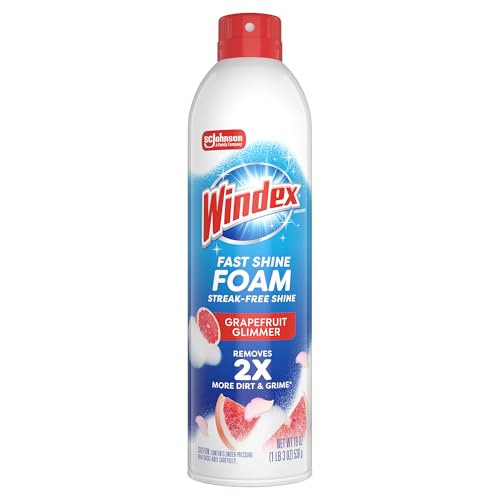
Windex Fast Shine Foam Glass Cleaner Spray, Grapefruit 19 oz

Kirkland Signature Ultra High Pile Microfiber Towels, 36 Count

SWEDEdishcloths Swedish Dishcloth Set, 3 Count, Star Design
More On The Choices That Made The List
Screens collect pollen, dust, and pet hair faster than glass does, and pulling them out for a scrub is a chore most people skip. The BusyLive 2-in-1 Window Screen Cleaning Brush is built around that reality: a single head that scrubs mesh on one side and clears glass on the other, so a screen and its pane can be refreshed in a few passes without unmounting anything.
For a single-window household, the one-pack keeps storage minimal and the cost low. Renters, small apartments, and anyone testing the concept before committing to a multi-pack will find this size easy to live with. It pairs well with a spray bottle of water for tougher buildup, so it can do duty as a quick cleaner or a deeper scrub depending on the day.
Useful Highlights
- Frame-free cleaning keeps screens installed during use, a real time-saver for upper-floor windows.
- Dual-sided head scrubs mesh on one face and squeegees glass on the other in a single motion.
- Wet-or-dry versatility lets you dry-dust a lightly soiled screen or wet-scrub heavier grime.
- Soft bristles protect delicate mesh from bending or tearing during routine maintenance.
Points To Keep In Mind
- Single-tool count means you’ll move it between windows; not ideal for cleaning an entire home in one session.
- Heavily caked grime may need a separate cleaning solution beyond plain water.
Built With In Mind
Renters, apartment dwellers, and anyone with one or two stubborn screens who wants a no-fuss refresh tool.
Skip It When
Multi-window homes get better value from the BusyLive 2-in-1 Window Screen Cleaning Brush, Squeegee Tool (3PCS), which keeps a tool on each floor.
Three of the same tool means one lives on each floor, one stays in the garage, and the third sits in a cleaning caddy. The 3-pack version of the BusyLive brush builds on the single-pack’s frame-free design, so a whole home can be worked through without dragging a single tool up and down stairs.
For households with a long list of patio doors, screened porches, and standard windows, having extras on hand removes the “where did I put it” friction. Compared to the single-pack, the 3-pack offers a clear per-unit reduction for anyone already sold on the design. It suits larger families, multi-story homes, and shared living spaces where tools tend to walk off.
What It Does Well
- Three tools let you stage cleaning supplies on multiple floors or share with a partner.
- Same dual-sided head scrubs mesh and squeegees glass without unmounting the screen.
- Wet-or-dry flexibility handles light dust on quiet weeks and caked pollen in spring.
- Soft bristles treat delicate mesh gently, which matters for older or sun-weakened screens.
Things To Consider
- Upfront cost is higher than the single-pack, so the value only shows up with multiple windows.
- Storage needs a small dedicated spot, since three tools can clutter a narrow utility closet.
Made For
Multi-window homes, two-story houses, and anyone who wants one tool on each level without rebalancing constantly.
A Better Fit Elsewhere
Smaller households that only have one or two screens will get more mileage from the 1PC pack, which is the better value at low volume.
Two tools strike a middle ground the 1PC and 3PCS packs don’t quite reach. You get a backup when the first wears out, and you can leave one in a bucket upstairs while the other lives near a patio door. For couples and small families, that division of labor matters more than the modest bump in price.
Where the 3-pack is overkill for a small home, the 2-pack is the spot many households land on. You can alternate use between seasons, washing one thoroughly while the other stays in service, which is a real perk for anyone cleaning in spring allergy season when pollen load is heavy.
Noteworthy Benefits
- One in use and one in the wash keeps the cleaning cycle uninterrupted during peak pollen weeks.
- Dual-sided brush-and-squeegee head covers mesh and glass in a single pass.
- Frame-free approach means no screen removal and no reinstallation hassles.
- Wet-or-dry use adapts to light dust, sticky fingerprints, and outdoor grime alike.
Some Limits To Know
- Still not enough tools to station one on every floor of a three-story home.
- Identical tool design means a worn-out head affects both units at roughly the same rate.
Whose Shelf It Belongs On
Couples, small families, and one-and-a-half-story homes with a manageable screen count.
Not Your Match When
Households with several floors and dozens of screens get more done faster with the BusyLive 2-in-1 Window Screen Cleaning Brush, Squeegee Tool (3PCS).
Window sills, tracks, and the edges around glass are among the most-touched surfaces in any home, and they’re where smudges meet germs. Lysol Disinfecting Wipes handle that intersection well, lifting greasy fingerprints and residue off frames and sills in the same pass that sanitizes them.
The 4-pack brings 320 wipes total to the table, enough that a tub can live in the kitchen, one in the bathroom, one in the car, and one tucked under the sink. Compared to the smaller Lysol options, this is the high-volume pick for busy families, and the lemon-mango-linen scent keeps things from smelling medicinal. Wipe selection depends on your tolerance for fragrance, so anyone scent-sensitive should know the fragrance is noticeable on first pull.
Notable Gains
- Four tubs mean wipes live where they’re used, which is half the battle with disposable cleaning.
- 80-count tub is large enough to avoid mid-month dry-out for a typical family.
- Lemon + mango + linen scent cuts the typical disinfectant smell, which most people appreciate.
- Multi-surface use extends from sills to counters to door handles in one consistent routine.
Worth Noting
- Fragrance may be too strong for scent-sensitive households or small enclosed rooms.
- Disposable format generates ongoing waste, so a reusable cloth kit pairs well for regular use.
The Right Fit
Busy families and multi-room households that want a wipe stationed in each high-traffic area at all times.
Look Elsewhere When
Smaller spaces or single-room routines can save with the Lysol Disinfectant Wipes Lemon and Lime Blossom 80 ct. (1 Pack), which keeps a single tub in play.
The classic lemon scent is what most people picture when they reach for a disinfecting wipe, and this 3-pack leans into that familiarity. Three tubs of 80 wipes each provide solid stock for a typical home without the four-tub commitment, which is the sweet spot for many households.
Window-adjacent cleaning is one of the better uses here, since sills, tracks, and frames collect both dust and bacteria. The 3-pack slots neatly next to the BusyLive brushes reviewed earlier, picking up where the squeegee leaves off. Most people find a tub of these lasts a comfortable number of weeks with normal weekly use.
Positive Points
- Three-tub count covers kitchen, bathroom, and a portable caddy without reordering mid-month.
- Lemon scent is widely familiar, which keeps the wipe routine approachable for guests or kids.
- Multi-surface compatibility reduces the number of separate products you need to keep on hand.
- 80-count tub is a manageable size that won’t dry out before you reach the bottom.
Honest Caveats
- Three tubs still leave a single-floor home over-stocked compared to a 1-pack starter.
- Disposable format means ongoing purchase cycles, unlike the reusable cloths in this list.
Who Should Grab It
Standard households that want a dependable disinfecting wipe staged across a few key spots without overbuying.
Where Another Pick Suits Better
Households that want scent variety in one buy will prefer the Clorox Disinfecting Cleaning Wipes Variety Pack, 35 Count Each, which mixes fragrances in a single shipment.
One tub is plenty when the goal is to test a wipe against your routine or outfit a single high-touch spot. The Lysol Disinfectant Wipes in lemon and lime blossom sit at that entry-friendly size, where the 80-count feels generous without committing to a multi-pack you’ll have to find room for.
Single-window homes, dorm rooms, and first apartments get a familiar disinfectant format without the storage headache. Window sills, tracks, and frames are the natural home for this kind of wipe, and lemon-lime blossom softens the typical disinfectant edge. It’s the right call when you want one tub that pulls double duty between the kitchen and the bathroom counter.
A Strong Showing
- Single-tub format keeps storage minimal in small kitchens, bathrooms, or utility closets.
- Lemon and lime blossom scent reads cleaner than the original lemon, in most people’s experience.
- 80-count is a generous single-pack, so the first order usually lasts a full month with regular use.
Trade Offs
- One tub means only one room gets a stationed wipe, so multi-room routines require refills.
- Disposable format creates packaging waste that reusable alternatives avoid.
Best Suited To
First-time wipe users, small apartments, and anyone testing the Lysol format before committing to a multi-pack.
Consider Something Else When
Multi-room households that want wipes stationed everywhere should step up to the Lysol Disinfecting Wipes Multi-Surface Lemon 80 ct. (3 Pack) for broader coverage.
Variety packs solve a problem single-flavor tubs can’t: scent fatigue. The Clorox Disinfecting Cleaning Wipes Variety Pack rotates through several scents in one shipment, so the routine doesn’t feel like the same wipe pulled from the same tub every week. For shared kitchens, roommates, or families with mixed scent preferences, that variety alone is worth considering.
Around windows, the 35-count tubs are best used on sills, tracks, and frames rather than the glass itself, where lint can show on a clear surface. Pairing with a microfiber towel, like the Kirkland option reviewed below, gets the cleanest finish on the actual pane. Packaging may vary, so the scent lineup shifts occasionally.
Benefits That Matter
- Multiple scents in one order removes the monotony of pulling the same wipe for months.
- Smaller 35-count tubs are easier to finish before the wipes dry out, which happens often with half-used containers.
- Clorox is a familiar household name, and many people already trust the format.
- Multi-surface use keeps cleanup consistent across counters, sills, and appliance fronts.
Some Limits To Know
- Smaller tubs mean more frequent reordering compared to 80-count alternatives.
- Packaging may vary, so specific scent expectations are hard to lock in ahead of delivery.
Who It Suits Best
Shared households, roommates, and anyone who likes a scent rotation over a single-flavor commitment.
Where Another Pick Suits Better
Single-flavor loyalists and bigger households will find more value in the Lysol Disinfecting Wipes Multi-Surface Lemon 80 ct. (3 Pack), which keeps one familiar scent stocked across rooms.
Liquid sprays run down vertical glass before the wipe can catch them, which is why foam formulations exist. Windex Fast Shine is a no-drip foam, so it clings to windows, sliding glass doors, and mirrors long enough to break down grime without streaking or pooling at the bottom of the pane.
The grapefruit scent leans brighter than classic Windex, and the foam cuts through fingerprints, dust, and smoke film without aggressive scrubbing. For tall windows, French doors, and any pane that gravity usually works against, this format is a clear upgrade. Pair it with a microfiber towel from this list for the cleanest streak-free result.
Advantages To Know
- No-drip foam holds on vertical glass longer than liquid sprays, reducing mid-clean runoff.
- Streak-free finish cuts down on the follow-up wipe pass that liquid cleaners often demand.
- Grapefruit scent is brighter and more modern than the original Windex blue fragrance.
- 19 oz can in a single-pack is a manageable size for one-handed use and standard storage.
Trade Offs
- Aerosol cans need a small disposal route when empty, since they can’t go in standard recycling curbside bins in many areas.
- Foam cans are harder to gauge when running low compared to clear-bottle liquid sprays.
Who Will Love This
Anyone with tall windows, sliding glass doors, or vertical mirrors that fight gravity with traditional liquid sprays.
Reach For A Different Pick When
Reusable-cleanup households will skip the aerosol format and reach for the Kirkland Signature Ultra High Pile Microfiber Towels, 36 Count, paired with a refillable bottle.
Microfiber is the secret to a streak-free glass finish, and the Kirkland Signature Ultra High Pile towels lean into that role. The 16″x16″ size, 80/20 polyester-polyamide blend, and high-pile weave absorb and lift without leaving lint on the pane, which is the usual giveaway that a wipe is wrong for the job.
Thirty-six towels in one pack is enough to rotate through cleaning, washing, and drying without running out mid-session. For glass detailing, you can dampen one with water, mist a touch of cleaner, and buff dry with a second, leaving a clear finish with no fuzz. Owners commonly report the towels holding up well through repeated machine washes, though a fragrance-free detergent is the safer choice to keep the glass from picking up residue.
What Makes Sense
- 80% polyester and 20% polyamide blend balances absorbency and softness, the right combo for glass work.
- Lint-free finish keeps paper-fuzz streaks off the pane after a wipe pass.
- 16″x16″ surface is large enough to cover a standard windowpane in two or three passes.
- Reusable format cuts down on disposable waste compared to single-use wipes.
Things To Weigh Up
- Yellow color shows grime fast, so you’ll want a healthy rotation to keep a clean towel ready.
- Fabric softener in the wash clogs microfiber and ruins the streak-free performance, so detergent choice matters.
Perfect Match For
Detail-oriented cleaners, low-waste households, and anyone who wants a washable cloth routine that pairs with any spray.
Swap It Out When
Shoppers who want a pre-treated disposable option will prefer Lysol Disinfecting Wipes Lemon + Mango + Linen 80 ct. (4 Pack) for wipe-and-toss convenience.
Swedish dishcloths are a softer alternative to paper towels, and this three-pack gives you enough rotation for the kitchen, the bathroom, and a quick-grab caddy. The star design is purely decorative; what matters is the absorbent, semi-disposable format that handles light wipe-downs on glass, sills, and mirrors without much fuss.
These are best thought of as a daily-maintenance tool rather than a heavy-duty glass cleaner. They wipe up splashes, fingerprints, and dust well, and they rinse clean under running water, though deep grime still calls for a separate cleaner and a dedicated microfiber. As a complement to the Kirkland towels reviewed above, they’re a friendly middle step for people who want reusable but lighter weight.
The Practical Payoff
- Three cloths spread across rooms, so you always have a clean one staged where you need it.
- Reusable format reduces the paper-towel habit for daily wipe-downs.
- Lightweight feel makes them easy to grab for quick smudge cleanups.
- Star design adds a small decorative touch to an otherwise utilitarian tool.
Points To Note
- Not as absorbent as a true high-pile microfiber, so heavy spray or big spills need a second cloth.
- Works best on light cleaning, so deep glass detail still requires a dedicated towel and spray.
Right Fit For
Eco-minded households that want a lighter reusable option for daily wipe-downs alongside a heavier-duty glass towel.
Where A Sibling Pick Shines
Anyone who wants maximum absorbency for serious glass work should rely on the Kirkland Signature Ultra High Pile Microfiber Towels, 36 Count instead.
What Matters Most Before Choosing window cleaning wipes
Sills And Screens Versus The Pane Itself
Glass is only one surface in the window zone, and the rest of the area, including sills, tracks, frames, and screens, has its own cleaning profile. Screens collect pollen and dust that no glass cleaner touches, so a brush-based tool like the BusyLive options belongs in the kit for spring and fall. Sills and tracks, on the other hand, see fingerprints and bacteria, and that’s where a disinfecting wipe earns its keep. The right setup usually pairs a screen tool, a glass spray, a cloth, and a wipe, rather than relying on any single product.
Format Trade-Offs: Disposable Versus Reusable
Disposable wipes and paper-based cloths trade convenience for ongoing waste. Reusable microfiber and Swedish cloths trade a small extra step (washing, drying, rotating) for a longer-term lower footprint and often a better finish. Households with allergies, sensitive skin, or strong scent preferences tend to migrate toward reusable formats, since you control the cleaner. For renters, dorm rooms, and short-term stays, disposables still win on portability and storage.
Scent And Surface Compatibility
Fragrance matters more than most product copy suggests, especially in tight kitchens and bathrooms where the smell lingers. Scent-free reusable formats sidestep the question entirely. For disposables, a milder scent is usually a safer bet for shared spaces. Surface compatibility is the other check: glass-specific foams like the Windex option are formulated for the pane, while multi-surface wipes handle the rest of the window zone. Mixing and matching is normal, since one product rarely covers every surface in the area.
Storage, Rotation, And Reuse
A 36-pack of microfiber towels takes up more closet space than a single wipe tub, so the storage math varies by household. For larger homes, a rotation of two or three cloths avoids the “everything is in the wash” bottleneck. For smaller homes, a single tub of wipes staged near the window does the trick. The right answer depends on how often you clean and how much closet space you can spare, and most people end up with a hybrid kit over time.
Key Considerations Across These Picks
Where Shoppers Go Wrong
A common trap is grabbing a single product and expecting it to cover glass, screens, and sills equally. Most don’t, and the result is either streaks on the pane or sticky residue on the frame. Another mistake is reaching for paper towels on glass, which leave lint that has to be wiped again. The fix is straightforward: a microfiber or foam for the glass, a brush for the screens, and a wipe for the trim. The honest read is that the cheapest single-product route usually costs more in extra effort over a year.
The Case For Spending Up
Higher-tier options in this list, including the larger Lysol multi-packs, the foam Windex, and the Kirkland microfiber bundle, all add capacity or finish quality that lower-tier versions skip. With wipes, the upgrade is usually a higher count and a wider scent range, both of which add convenience more than cleaning power. With cloths, the upgrade is absorbency and lint resistance, which directly affects the glass finish. Paying up makes the most sense when you clean windows often enough to notice the difference, which for most households means more than once a month.
Frequently Asked Questions
Can you use disinfecting wipes directly on window glass?
Disinfecting wipes work fine on window sills, tracks, and frames, but using them on the glass itself often leaves a faint residue or streaks. A dedicated glass cleaner or foam paired with a microfiber towel gives a cleaner finish on the pane.
How often should window screens be cleaned?
For most homes, a seasonal cleaning, twice a year in spring and fall, keeps pollen and dust from building up. Homes near busy roads or with heavy tree coverage benefit from monthly attention, since screens clog faster in those conditions.
Are reusable microfiber towels better than disposable wipes for glass?
Microfiber towels generally deliver a cleaner, lint-free finish on glass and last through many wash cycles. Disinfecting wipes are more convenient for sills and frames where sanitizing matters, so the two formats work well together rather than as substitutes.
What is the easiest way to clean window tracks?
Lay a dry microfiber cloth along the track, then mist a small amount of all-purpose cleaner or warm soapy water, and drag the cloth through to lift grime in one pass. A toothbrush handles the corners, and a final dry pass prevents any moisture from sitting.
Do no-drip foam glass cleaners really stay in place?
Foam formulations cling to vertical glass longer than liquid sprays, which is the main appeal. They don’t run as quickly down the pane, so the wipe has more working time to lift grime, and that extra dwell time is what makes the finish cleaner on tall windows.
Closing Remarks
A clean window zone usually comes from a small, intentional kit rather than a single product. Pair a screen brush for the mesh, a foam or spray for the pane, a microfiber for the finish, and a wipe for the trim, and the routine stops feeling like a chore. The exact combination depends on your space, your scent tolerance, and how often you want to wash versus toss, and that’s the part worth thinking through before adding anything to the cart.