A single wall thermostat can leave the nursery freezing and the living room stuffy at the same time. Remote sensor models fix that by telling your HVAC system what each room actually feels like, so comfort follows you around the house instead of clustering near the hallway. The lineup below covers everything from whole-home smart hubs to single-room floor-heat controls, with honest notes on who each one is really built for.
An Overview Of The Picks

Google Nest Temperature Sensor (2nd Gen)

Heagstat 1 Heat/1 Cool Thermostat

EconoHome Non-Programmable Thermostat

ecobee Smart Thermostat Premium
Google Nest Temperature Sensor 3-Pack

ecobee SmartSensor 2-Pack
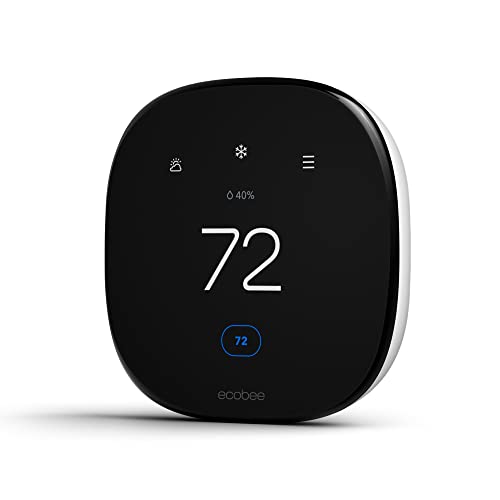
ecobee Smart Thermostat Enhanced

OJ Microline UTN4 Floor Heat Thermostat

Google Nest Learning Thermostat (4th gen) + Sensor Bundle (Obsidian)

Google Nest Learning Thermostat (4th gen) + Sensor Bundle (Silver)
The Details Behind The Selections
If your home already runs on a compatible Nest thermostat, this little porcelain-white puck is the easiest way to stop guessing which room the system is actually targeting. It reads the temperature where it sits, then nudges your HVAC (heating, ventilation, and air conditioning) toward that room’s comfort level on the schedule you set.
The 2nd gen refresh is small and battery powered, so mounting it on a hallway shelf or a nursery wall takes seconds with no wiring fuss. Compared with the 3-pack we’ll see later, this single sensor is best when you only need to track one priority room, like a baby’s nursery or a home office that never feels right.
Real-World Strengths
- Pairs with the Nest Learning Thermostat (3rd and 4th gen) and the older Nest Thermostat E.
- Scheduling lets you tell the system which room to prioritize at what time of day.
- Wire-free placement means renters can install it without touching the wall wiring.
- Small footprint fits on a shelf without looking like a piece of tech gear.
Things To Consider
- It’s an accessory, not a thermostat, so you’ll still need a compatible Nest base unit.
- Owners commonly report the CR2-style coin cell batteries need replacing roughly once a year, depending on conditions.
Feature Snapshot
Built With In Mind
Nest households who already own a compatible thermostat and want one extra room dialed in.
Skip It When
You don’t yet own a Nest base unit, in which case the Google Nest Learning Thermostat (4th gen) bundle below covers the full setup.
The Heagstat single-stage thermostat is a no-nonsense wall unit that does one job: it turns the heat or AC on when the room is off target and off when it isn’t. The white backlight keeps the readout legible in a dark hallway, which sounds minor until you’re fumbling for it at 2 a.m.
Where earlier picks on this list lean into smart-home ecosystems, this one stays grounded. It’s made for conventional 24-volt single-stage systems, which covers most basic forced-air setups in older homes and rental units.
Strong Points
- Simple push-button operation, no learning curve or app login required.
- Compatible with most gas, oil, and electric forced-air furnace systems.
- White backlight makes the temperature readable at a glance.
- Non-programmable design means guests and kids can’t accidentally wipe your schedule.
Trade Offs
- Limited to 2 to 5 wires, so homes with 6 to 8 wire configurations may need a different model.
- No remote sensor support, so it only sees the room it’s mounted in.
- Owners commonly report the trim plate can feel slightly thin during installation.
Perfect Match For
Older homes or rentals with a basic single-stage furnace where smartphone control isn’t a priority.
Consider Something Else When
You want remote sensing across rooms, which is what the Google Nest Temperature Sensor (2nd Gen) is designed to add.
EconoHome’s digital thermostat is the kind of unit you install once and then forget is on the wall. It handles heat and cool for single-stage central systems, with a clear display and a switch for fan-only mode when you just want air moving through the house.
The honest read is that this is a replacement thermostat, not a smart hub. Pair it with a portable remote thermometer or rely on the wall reading, and it’s a reliable basic. Heagstat from earlier covers similar ground; the choice here really comes down to which display style fits your wall.
Notable Gains
- Works with central gas, oil, and electric furnaces plus cool-only AC systems.
- Digital temperature readout is easier to read than the old dial-style dials many people are replacing.
- Fan switch offers on and automatic modes for flexible airflow control.
- Single-stage focus keeps installation simple for most DIYers.
Points To Note
- No remote sensor, so it has the same limitation as the Heagstat unit above.
- Non-programmable design means seasonal adjustments are manual.
Feature Snapshot
Who It Suits Best
Homeowners replacing a tired wall thermostat with a simple digital upgrade and no need for app control.
Reach For A Different Pick When
Remote temperature sensing matters, which is exactly the gap the ecobee SmartSensor 2-Pack fills for ecobee households.
The ecobee Premium is what happens when a thermostat stops pretending to be just a thermostat. It includes a SmartSensor right out of the box, so one room reading is already covered before you open the extras bag. Add more SmartSensors and the system averages across the rooms you care about.
Built-in Siri and Alexa mean you can bark temperature commands without buying a separate speaker, which keeps the countertop clean. Compared with the EconoHome earlier in this list, this is a totally different category: it’s a connected hub with voice, an air quality monitor, and a learning curve to match.
Where It Helps
- Comes with one SmartSensor to start balancing hot and cold spots immediately.
- Integrated voice control removes the need for a separate smart speaker in the room.
- WiFi connectivity supports scheduling and adjustments from a phone app.
- Air quality monitoring adds indoor environment awareness beyond temperature alone.
Honest Caveats
- Setup takes longer than a basic wall thermostat, especially if the C-wire (a common wire that delivers continuous power) is missing.
- Owners commonly report that some smart features require a working internet connection.
Best Suited To
Smart-home households that want voice control, an air quality readout, and remote sensing in one unit.
Swap It Out When
You don’t need built-in voice, in which case the ecobee Smart Thermostat Enhanced delivers much of the same remote-sensor support at a friendlier entry price.
Three sensors, three rooms, one consistent comfort profile. That’s the pitch here, and it’s a fair one for households that have already committed to the Nest ecosystem and want to extend reach into the bedrooms, basement, or home office.
Unlike the single Nest Temperature Sensor (2nd Gen) we covered earlier, this older 3-pack is the right move when you want to map more of the house from day one. The trade-off is generation: this is the original Nest sensor design, so it lacks some of the refinements of the 2nd gen.
A Favorable Mix
- Cover the baby’s room, the living room, and a back office without buying sensors one at a time.
- Communicates temperature readings to compatible Nest thermostats from up to about 50 feet away.
- Low-energy Bluetooth connection keeps battery drain gentle.
- Sensor priority scheduling helps the system focus on the right room at the right time.
Small Caveats
- Requires a compatible Nest base thermostat to function, with no standalone use case.
- Owners commonly report that placement near vents or direct sunlight can skew readings.
Made For
Existing Nest households that want broad, multi-room coverage without buying sensors individually.
Look Elsewhere When
You only need one extra room, where the Google Nest Temperature Sensor (2nd Gen) avoids the cost of two unused pucks.
Where Nest sensors only read temperature, ecobee’s SmartSensors also notice when a room is actually occupied. That motion awareness lets your system ease off heating or cooling empty spaces, which is the real money-saving angle for ecobee households.
The two-pack is the sweet spot for most rooms, since you’ll want a sensor in the main living area and another in a high-traffic bedroom. Pairs with either the ecobee Enhanced or the Premium we covered earlier, so you’re covered across most ecobee bases.
What Helps Most
- Infrared occupancy detection adds presence data, not just temperature.
- Wireless range supports placement in rooms up to about 60 feet from the base unit.
- Two sensors in the box cover a typical living room plus bedroom scenario.
- Compatible with current ecobee thermostats for consistent app control.
Worth Noting
- Won’t pair with Nest thermostats, so the choice locks you into the ecobee ecosystem.
- Occupancy sensing can mean rooms cool down once you sit still for a while, depending on settings.
Whose Shelf It Belongs On
Ecobee owners looking to add motion-aware comfort balancing across the rooms they actually use.
Where Another Pick Suits Better
Nest households, who will get more value from the Google Nest Temperature Sensor (2nd Gen) or its 3-pack sibling.
The Enhanced sits in a useful middle spot between a basic programmable wall unit and the Premium model above. It leans on the same ecobee app, works with the same SmartSensors we just covered, and skips the built-in voice hardware for a friendlier price tag.
You may find this the more practical buy if voice control isn’t on your wish list. The eco+ feature automatically adjusts temperatures when you’re away or asleep, which keeps the runtime savings automatic rather than something you have to fiddle with.
Everyday Wins
- Compatible with ecobee SmartSensors for true multi-room averaging.
- Programmable schedule plus automatic eco+ adjustments when life gets unpredictable.
- Works with Apple Watch and major smart-home platforms for flexible control.
- Generally easier on the wall budget than the Premium model.
Things To Weigh
- Doesn’t include a SmartSensor in the box, so remote sensing requires a separate purchase.
- Owners commonly report that smart features require a steady WiFi connection to stay useful.
Right Fit For
Smart-home households that want ecobee’s app and scheduling without paying for built-in voice.
A Better Fit Elsewhere
Voice-first households, who will appreciate the built-in Siri and Alexa in the ecobee Smart Thermostat Premium instead.
Every other unit on this list runs your central HVAC. The OJ Microline UTN4 doesn’t. It controls electric radiant floor heating, the kind of system that turns a cold tile bathroom into a toasty one on a January morning. A floor sensor ships in the box, so the readings reflect the actual surface temperature, not just the air.
The Class A GFCI (Ground Fault Circuit Interrupter, a safety device that cuts power if it detects a current leak) is built in, which is required for underfloor circuits in most codes. That’s a real safety detail worth noticing, especially for anyone installing in a wet area.
Everyday Perks
- Dual sensing tracks both air and floor temperature for accurate comfort control.
- Supports 120V and 240V radiant systems, covering most residential installs.
- Included floor sensor means no extra parts to source for a basic install.
- Non-programmable design keeps the wall interface simple for shared spaces.
Practical Considerations
- Limited to radiant floor heating, not a general HVAC replacement.
- Hardwired electrical work, so most homeowners will hire an electrician for installation.
- Owners commonly report that the included setup guide assumes some prior electrical comfort.
Feature Snapshot
Who Will Love This
Bathroom and basement remodelers installing or upgrading radiant floor heating.
Another Choice May Suit
Anyone controlling central HVAC, where the ecobee Smart Thermostat Enhanced or the Google Nest 4th gen bundle covers the broader use case.
This bundle pairs Google’s flagship Learning Thermostat (4th gen) with a 2nd gen Temperature Sensor in the deep Obsidian finish. It covers both ends of the equation in one box: the brain on the wall and the extra room reading that makes the system feel less like a hallway guess.
The 4th gen is the smartest iteration yet, learning your routines over time and adjusting the schedule as life shifts. Add more sensors later, and the home coverage scales. Compared with the ecobee Premium earlier, the draw here is the Nest aesthetic and learning behavior.
Positive Takeaways
- Includes a 2nd gen sensor so remote sensing works from day one.
- Learning thermostat builds a schedule around your real habits.
- Obsidian finish suits darker walls and modern interiors.
- Scales to additional sensors for whole-home coverage over time.
Possible Compromises
- Higher bundle entry point than buying just one Nest sensor accessory.
- Installation may require a C-wire or the Nest Power Connector depending on the home.
Who Should Grab It
Style-conscious shoppers starting fresh who want the thermostat and a sensor in a coordinated finish.
Not Your Match When
Budget rules, where the standalone Google Nest Temperature Sensor (2nd Gen) lets you add sensing to an existing Nest base.
The Silver version of the 4th gen bundle is the same hardware and sensor set as the Obsidian above, finished to blend with lighter walls, neutral trim, and traditional decor. Same learning logic, same scheduling behavior, same sensor reach.
Choose this one when the wall color reads cool or warm-white rather than dark. Both bundles are equal under the hood, so the decision is purely aesthetic and shouldn’t drive any feature trade-offs.
Useful Strengths
- Silver finish suits traditional and farmhouse-style interiors.
- Comes with a 2nd gen temperature sensor for immediate remote sensing.
- Same learning engine as the Obsidian bundle.
- Scales with additional Nest sensors when needed.
Details To Watch
- Same installation considerations as the Obsidian bundle, including possible C-wire needs.
- Higher price than a standalone sensor accessory for those who already own a Nest base.
Made For
Homeowners starting fresh who want a thermostat and sensor that blend into lighter interior palettes.
A Different Pick May Shine When
You’re already invested in Nest hardware, in which case the standalone Google Nest Temperature Sensor (2nd Gen) is the cheaper add-on path.
What To Weigh Before Choosing A Remote Sensor Thermostat
Remote sensing only delivers comfort when the rest of the system supports it. Start with a compatibility check, since a sensor that won’t pair with your base thermostat is just a wall decoration. Most whole-home picks here, like the Nest 4th gen bundles and the ecobee Premium and Enhanced, need a C-wire or a power accessory to run reliably, while the Heagstat and EconoHome units stick to older conventional wiring.
Next, think about coverage. One sensor handles a priority room like a nursery, but a 3-pack spreads coverage across bedrooms and living areas without leaving gaps. Match the room count to the floor plan rather than chasing the largest box.
Finally, decide what “smart” means to your home. Voice control, occupancy detection, and learning schedules all add value, but only if you’ll actually use them. For basic comfort fixes, a wall thermostat plus a single remote sensor can do most of what a premium hub does, at a fraction of the ongoing cost.
Key Considerations Across These Picks
Wrong Turns To Avoid
The most common slip-up is buying a remote sensor before confirming the base thermostat supports it. Nest sensors only talk to Nest thermostats, and ecobee SmartSensors only pair with ecobee bases, so picking the wrong ecosystem can mean replacing hardware twice. Another trap is underestimating wiring. Many smart thermostats need a C-wire, and older homes often need an adapter or a small electrical update before the new unit powers up cleanly.
Where The Extra Money Goes
Higher-tier models earn their premium through sensors with broader range, learning engines that adapt over time, and extras like built-in voice control and air quality monitoring. The upgrade is worth it for households that want a single wall unit to behave like a small smart-home hub. For smaller homes or simpler routines, a basic thermostat and a single remote sensor delivers most of the comfort without the higher tier’s feature tax.
Frequently Asked Questions
How do thermostats with remote sensors actually work?
A remote sensor measures the temperature in the room where it sits and sends that reading to the main thermostat, which then decides when to run heating or cooling based on the chosen priority room.
Can I use a remote sensor without replacing my current thermostat?
Generally no, because most sensors are designed to pair with a specific base unit. Confirm the sensor brand matches your existing thermostat before buying.
How many remote sensors do I need for a typical home?
One sensor helps for a priority room like a nursery, two to three cover most living areas, and larger homes benefit from one sensor per major zone for the best averaging effect.
Do remote sensor thermostats save money on energy bills?
They can, especially models with occupancy detection, by easing off heating or cooling in rooms that aren’t being used, which trims wasted runtime.
Are remote sensor thermostats hard to install?
The sensors themselves are usually easy, since most are wireless, while the thermostat base may need a C-wire and basic electrical comfort, particularly for smart models.
Wrap Up
A remote sensor thermostat turns one cold room into a balanced home. Match the ecosystem to your existing gear, decide how many rooms you actually want to monitor, and pick a feature set you’ll use day to day. The right setup pays back in comfort every season without complicating the wall.