Apple’s HomeKit turns ordinary lamps, fans, and coffee makers into voice-controlled gear, but you still need the right bridge between your wall outlet and your iPhone. Smart plugs designed for HomeKit handle that job, and the 2026 lineup is stronger than ever, with Matter support finally making setup painless. Choosing the wrong one, though, leaves you with a plug that drops offline the moment your Wi-Fi hiccups, or one that refuses to talk to Siri altogether.
You don’t need to dig through spec sheets alone. We’ve narrowed nine solid options across indoor, outdoor, multi-pack, and energy-tracking categories. Some pair instantly with your HomePod, others work double-duty across Alexa and Google Home, and a few are built for the patio or garden. The shortlist below covers what each one actually does well, where it stumbles, and who it’s truly for.
The Main Contenders
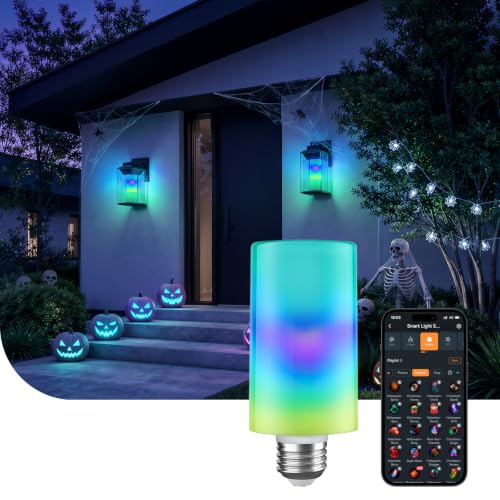
Linkind Smart Light Stick Color Bulb 850lm

Linkind Matter Smart Plug for Apple Home

Kasa EP40M Matter Outdoor Smart Plug Dual Outlet
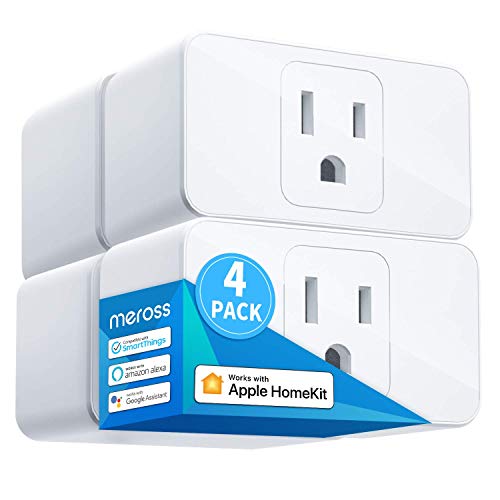
meross Smart Plug 15A 4-Pack for HomeKit

meross Matter Smart Plug Mini Compact Wi-Fi Outlet

WiZ Connected Smart Plug 6-Pack with Motion Sensing

meross Matter Smart Plug with Energy Monitoring

Enbrighten Matter Outdoor Smart Plug Dual Outlet

Philips Hue Smart Plug White for HomeKit
Why These Options Stand Out
The Linkind Smart Light Stick leans into atmosphere over raw smarts, pairing tunable white with full color at a useful 850 lumens of output. The T19 stick form factor slips into standard E26 sockets, so most lamps and ceiling fixtures accept it without rewiring. It connects over a 2.4 GHz Wi-Fi network, which means older routers play nicely, but you’ll want to keep that band enabled in your mesh settings.
Think of it as the mood-setting pick for a bedroom or reading corner rather than a hub-replacing workhorse. Where the rest of this list focuses on outlet-level control, this one goes inside the fixture itself, which is useful when a lamp’s socket is the only thing you have to work with. For renters without permission to swap switches, that matters.
Good Reasons To Consider
- Adjustable color temperature plus full RGB in a single bulb, letting you shift from focus white to warm evening tones on one fixture.
- Voice integration through Siri, Alexa, and Google Assistant for hands-free dimming without leaving the couch.
- Standard E26 base and slim T19 stick design fits into tight lampshades and most existing fixtures without awkward overhang.
- Physical on/off switch remains usable, so housemates without the app aren’t locked out.
Things To Consider
- Connects only to 2.4 GHz networks, so routers set to 5 GHz only will need a band split before pairing.
- Not compatible with traditional dimmer switches, and pairing one in the circuit can lead to flicker or buzz that the app can’t fix.
- Lacks Matter and Thread support, which may matter if your broader setup is moving toward cross-platform standards.
Who It Suits Best
Renters, dorm dwellers, and anyone wanting to add color-shifting control to a single lamp without rewiring or committing to a hub-heavy ecosystem.
Consider Something Else When
Skip it if you’re building an outlet-first smart home, and grab the Linkind Matter Smart Plug instead, since it covers appliances that don’t take a bulb.
The Linkind Matter Smart Plug earns its spot as the everyday workhorse because Matter (a new smart-home standard that lets devices speak to each other across brands and platforms) does the heavy lifting on setup. One scan of a code drops it into Apple Home, Alexa, or Google Home without juggling a third-party app. That kind of future-proofing was a mess just two years ago, and it’s now the baseline you should expect.
You’ll still need a Matter-certified hub to unlock full HomeKit control, which usually means a HomePod, Echo Dot, Nest Hub, or SmartThings Hub sitting on the same network. For households that already run one of those, this plug wakes up instantly. For everyone else, that requirement is the main wrinkle worth weighing.
Where It Excels
- Matter certification means you pick your platform once and the plug follows without re-onboarding later.
- Works natively with Apple HomeKit, Alexa, Google Home, and SmartThings, ideal for mixed-voice households.
- Single-app setup cuts the clutter of yet another manufacturer login.
Worth Noting
- No hub-free HomeKit control, so a HomePod or Apple TV must stay online for Siri commands and remote access.
- Lacks energy monitoring, which households watching kilowatt-hours will miss.
Quick Facts
Made For
Households that already own a HomePod or Echo and want a plug that respects whichever assistant wins the day’s argument.
A Better Fit Elsewhere
Pick the meross Matter Smart Plug Mini if you want Matter support in a slimmer body for cramped outlets behind furniture.
The Kasa EP40M earns its outdoor-ready badge by handling the stuff indoor plugs can’t: rain, sprinkler splash, and the slow grind of patio humidity. Each of its two grounded outlets is rated for 15 amps and 1800 watts, which is enough headroom for string lights, a small fountain pump, or a heated birdbath without tripping a breaker. Matter support means it joins Apple Home alongside the rest of your network with the same scan-and-go flow.
Owners commonly mount it under an eave or on a fence post where a covered outlet already lives. Independent scheduling per outlet is genuinely useful: you can run patio lights from dusk to midnight while keeping a fountain on a daytime-only timer, all from the same hardware.
Strong Points
- Dual individually controlled outlets turn one outdoor socket into two separately scheduled circuits.
- 15A/1800W per outlet handles heavier loads like string lights and pond pumps with room to spare.
- Matter certification ties it into Apple Home, Alexa, Google Home, and SmartThings without proprietary apps.
- Voice or button activation means you can override schedules without pulling out a phone.
Honest Caveats
- You’ll still want a HomePod, Echo, or similar hub to unlock HomeKit voice control, which adds to the install list.
- Bulkier form factor can crowd multi-outlet weather covers, so measure your enclosure first.
Best Suited To
Homeowners running string lights, holiday displays, or yard water features who want Siri to handle dusk-to-dawn timing.
Look Elsewhere When
Choose the Enbrighten Matter Outdoor Smart Plug if you want a simpler dual-outlet design without Kasa’s app ecosystem layering.
Four plugs in a single box changes the math on whole-home setup. The meross Smart Plug 15A 4-Pack lets you deck out a living room, bedroom, kitchen, and office at once, all on HomeKit’s familiar grid. Each plug handles up to 15 amps, which is plenty for lamps, fans, coffee makers, and most countertop appliances short of a space heater.
Voice control covers Siri, Alexa, and Google Assistant, and CarPlay support means you can turn on a porch light from the driver’s seat without fumbling for the app. The catch, as with most HomeKit plugs, is that remote access requires a HomePod, Apple TV, or always-on iPad bridging the connection.
The Upside
- Four-pack pricing lowers the per-outlet cost significantly compared to singles.
- 15A rating covers the majority of household plug-in appliances without throttling.
- CarPlay integration is a quietly useful touch for hands-free control on the way home.
- Cross-platform voice support keeps family members on different ecosystems happy.
Trade Offs
- HomeKit remote access needs an always-on Apple hub, which can be a sticking point for non-Apple households.
- Lacks Matter support, so cross-platform flexibility is more limited than newer meross models on this list.
Right Fit For
HomeKit-first households ready to commit a HomePod or Apple TV as a permanent hub and wanting to fill multiple rooms in one purchase.
Skip It When
Reach for the meross Matter Smart Plug Mini instead, since the Mini brings Matter support for households planning to mix assistants later.
Walls behind couches and desks rarely have room for chunky smart bricks. The meross Matter Smart Plug Mini solves that with a low-profile shell that sits nearly flush with the outlet face, leaving the second socket free. For renters and dorm setups where every outlet matters, that compact footprint earns its place on the shortlist.
Matter certification is the headline feature, and Echo devices with Frustration Free Setup (a near-instant pairing mode that recognizes compatible accessories without extra steps) handle the install in roughly one step. Apple users still need a HomePod or Apple TV bridging the network, and the device requires iOS 16.1 or later to play nicely with HomeKit.
Key Advantages
- Compact body keeps both outlets usable on most wall plates, unlike bulkier plugs that block the neighbor socket.
- Matter support pairs smoothly with Apple Home, Alexa, Google Home, and SmartThings.
- Privacy-first local communication means voice and app control can stay on your network without cloud relay.
Room For Improvement
- Apple-side setup demands iOS 16.1 or newer, so older iPads and iPhones can’t host the configuration.
- No energy reporting, which households tracking kilowatt-hours will want from a “full-size” meross alternative.
Feature Snapshot
Who Will Love This
Apartment dwellers and small-office owners where outlet crowding is the daily frustration and Apple Home is the chosen ecosystem.
Swap It Out When
Pick the meross Matter Smart Plug with Energy Monitoring if watt-level insight matters more than socket real estate.
Six plugs in one box, plus motion-driven automation, makes the WiZ Connected 6-Pack a launchpad for a first smart-home setup. Each plug can flip lamps, fans, or coffee makers into scheduled or sensor-triggered devices without any extra hub. The SpaceSense motion feature uses signal changes between two WiZ devices in the same room to detect movement, which is genuinely clever when you don’t want to mount extra sensors.
Sunset-to-sunrise automation is the everyday magic trick: plug a lamp in, set the schedule once, and the light follows the day across the whole year. The WiZ app also handles timers, presets, and remote control, so the experience feels finished rather than half-built.
Standout Benefits
- Six-pack pricing undercuts singles for outfitting an entire starter apartment or small home.
- Built-in sunset-to-sunrise timing adapts automatically through the year, no manual daylight-saving tweaks needed.
- SpaceSense motion sensing uses two WiZ devices in tandem, cutting the need for separate motion hardware.
- Voice control spans Alexa, Google Home, and Siri shortcuts through HomeKit bridging.
Points To Note
- Motion sensing only activates when you have at least two WiZ devices in the same room, so the first plug alone won’t trigger automations.
- Best experience lives inside the WiZ app, which adds another login to your household roster.
Perfect Match For
First-time smart-home shoppers outfitting a starter home, dorm, or rental where a single bulk purchase covers every room.
Another Choice May Suit
Pick the meross Smart Plug 15A 4-Pack if you want a smaller, HomeKit-native bundle without the motion-sensor ecosystem layering.
Energy monitoring is the feature most smart plugs quietly skip, and the meross Matter Smart Plug with Standby Killer puts it front and center. Real-time power draw, plus the option to cut phantom loads (the small amounts of electricity appliances draw even when switched off) from “always-on” devices, makes this a fit for anyone watching a utility bill rather than just toggling lamps.
It still ships with Matter certification, so the same hub-and-go story applies across Apple Home, Alexa, and Google Home. The Frustration Free Setup on Echo devices shortens the install, which matters when you’re wiring up several plugs in one afternoon. Compared to the meross Mini above, this one trades the slimmer body for a richer dashboard.
Positive Takeaways
- Built-in energy monitoring reports live and historical draw per outlet, helping spot energy-hungry appliances.
- Standby Killer mode lets you schedule hard cuts for vampire loads from TVs, chargers, and game consoles.
- Matter compatibility future-proofs the plug if you ever swap assistants.
Minor Gripes
- Larger body than the meross Mini, so it can crowd tight outlet layouts behind furniture.
- Energy data lives inside the meross app first, with HomeKit surfacing only basic on/off state.
At A Glance
Built With In Mind
Energy-conscious households that want hard data on what each appliance costs to run, and the ability to schedule standby cuts.
Reach For A Different Pick When
Pick the meross Matter Smart Plug Mini instead if your outlets are tight and you don’t need the energy dashboard.
The Enbrighten Vibe outdoor plug handles the rough-and-tumble side of smart-home life: patio lights, inflatables, and yard decorations that pull real current. Two individually grounded outlets mean you can run a Halloween display and string lights off the same wall box without tying them to one schedule. Matter support keeps Apple Home in the loop alongside Alexa and Google Home.
Where this plug stands out from the Kasa outdoor pick earlier is app simplicity: the Enbrighten experience leans toward direct scheduling and fewer cross-platform hoops. For homeowners who don’t want to learn a second smart-home app, that pared-down approach lands well.
What It Does Well
- Two grounded outlets run independently, which is ideal for layered holiday or party displays.
- Sturdy outdoor-rated housing holds up through rain, sprinklers, and seasonal temperature swings.
- Matter certification aligns with the rest of the shortlist, so a single hub handles indoor and outdoor gear.
Some Limits To Know
- Power rating per outlet sits below the Kasa outdoor pick, so heavier pond pumps or heaters may push limits.
- Black housing can stand out on light-colored siding if you’re after a discreet install.
Whose Shelf It Belongs On
Homeowners running multi-zone outdoor lighting or seasonal displays who want independent outlet control without juggling multiple apps.
Where A Sibling Pick Shines
Choose the Kasa EP40M Matter Outdoor Smart Plug for higher per-outlet wattage when running pond pumps or larger heated gear.
The Philips Hue Smart Plug is the discreet finisher in a room where aesthetics matter. Its low-profile shell and white finish slip behind furniture without drawing attention, which is rare in a category full of chunky black bricks. Pair it with a Hue Bridge and the plug joins every Hue scene, schedule, and routine already running in your home.
Without the bridge, the plug functions more like a basic smart outlet, so it’s a true upgrade pick rather than a starter. The included Matter compatibility expands its reach into Apple Home, Alexa, and Google Home once the bridge is part of the setup, though households already deep in Hue will appreciate how the device folds into existing automations rather than sitting in a separate app silo.
A Strong Showing
- Compact, low-profile housing fits behind sofas and nightstands without disrupting sightlines.
- Hue Bridge integration means the plug participates in scenes and routines you already run.
- Matter support extends reach to Apple Home, Alexa, and Google Home for cross-platform households.
Less Ideal Details
- Single-pack pricing adds up fast for whole-home coverage, so this is more finisher than foundation.
- Full feature set requires a Hue Bridge, which is an extra purchase beyond the plug itself.
Key Product Details
Who Should Grab It
Existing Hue households wanting a discreet finishing piece for rooms where the plug itself should stay out of sight.
Where Another Pick Suits Better
Choose the meross Smart Plug 15A 4-Pack if you don’t already own a Hue Bridge and want broader coverage at lower cost.
Choosing the Right Smart Plug for a HomeKit Setup
Picking the right plug starts with the assistant you already use. HomeKit runs through Apple Home, which lives on your iPhone, iPad, Apple TV, or HomePod. If you don’t have a HomePod, Apple TV, or always-on iPad acting as a home hub, remote Siri access won’t work even after the plug is paired. That single piece of gear changes everything, because it decides whether “Hey Siri, turn off the lamp” works from across town or only when you’re home on Wi-Fi.
Next, consider the standard. Matter is the new smart-home protocol that lets one device talk to Apple, Google, and Amazon without separate apps. Plugs with Matter are simpler to onboard and easier to move between assistants. Older HomeKit-only plugs still work, but they tie you closer to Apple for the long run. For most households planning a multi-year setup, Matter future-proofing is worth the small premium.
Finally, match the plug to the job. Indoor lamps and fans want compact, single-outlet designs, while outdoor patios need weatherproof dual-outlet hardware. Energy-tracking plugs add value when you want to see what a space heater or aquarium actually costs to run. Match the category, the ecosystem, and the hub reality, and the rest of the decision gets much simpler.
Real-World Use Scenarios
Bedrooms and reading nooks benefit from quiet, low-profile plugs that tuck behind nightstands without blocking the second outlet. Living rooms running lamps, fans, and media gear often need multi-packs, because one plug rarely covers an entire entertainment setup. Kitchens and outdoor spaces lean on weatherproof or higher-amperage models rated for the load, especially around coffee makers, heated towel racks, and holiday lighting.
Who Each Profile Suits
Apple-first households running a HomePod or Apple TV get the smoothest HomeKit experience from any Matter-certified plug on this list. Mixed households balancing Alexa and Siri should prioritize Matter so the same plug serves both. Energy-conscious owners benefit most from plugs with real-time wattage tracking, while renters prioritize compact footprints that don’t dominate shared outlets.
Where Hub Reality Bites
HomeKit remote access still requires an Apple hub, full stop. Plugs marketed as “no hub required” still need a HomePod or Apple TV on the network for out-of-home Siri control. Without that hub, on-home voice and app control work, but remote commands won’t. It’s the most common source of confusion for first-time HomeKit owners.
Key Considerations Across These Picks
Where Shoppers Go Wrong
A common slip is buying a HomeKit plug without checking whether a HomePod or Apple TV sits on the network. The plug pairs fine, but Siri remote commands fail until the hub is added. Another trap is picking a 5 GHz-only plug when the home router runs 2.4 GHz only, or vice versa, leading to pairing loops that look like a defect when they’re really a band mismatch. For outdoor setups, choosing an indoor-rated plug leads to early failures in rain or sprinkler splash, so weatherproofing matters even under a covered patio.
What The Higher Tier Buys
Spending up usually buys three things: Matter certification for cross-platform flexibility, energy monitoring that exposes what each appliance costs to run, and weatherproofing rated for outdoor conditions. For most indoor lamp-and-fan setups, a compact Matter plug covers the bases. For outdoor patios, holiday displays, or energy-tracking needs, the higher-tier options earn their keep through richer reporting and tougher builds. The premium is real, but only when the extra features match how you actually use the plug.
Frequently Asked Questions
Do HomeKit smart plugs need a hub?
Most do, yes. A HomePod, Apple TV, or always-on iPad on the same network acts as your home hub. Without one, the plug works locally, but remote Siri access and out-of-home automation won’t function.
What’s the difference between HomeKit and Matter?
HomeKit is Apple’s smart-home framework. Matter is a newer cross-platform standard that works with HomeKit, Alexa, Google Home, and SmartThings. Matter plugs give you flexibility to switch assistants later, while pure HomeKit plugs lock you closer to Apple.
Can I use these plugs outside?
Only models rated for outdoor use, like the Kasa EP40M and Enbrighten Vibe on this list, handle rain and temperature swings safely. Indoor plugs used outside typically fail within weeks due to moisture infiltration.
Do smart plugs work without internet?
Locally, mostly yes. On-home Wi-Fi control from your iPhone usually keeps working. Remote access, voice commands from outside the home, and cloud-based automations all require an active internet connection through your hub.
How many amps do I need?
Most lamps, fans, and coffee makers draw well under 10 amps, so a standard 15A plug covers everyday gear. Space heaters, large window AC units, and some kitchen appliances push higher, so verify the appliance draw before relying on a single plug.
Bottom Line
Smart plugs for HomeKit have settled into a comfortable rhythm: Matter on most new models, hub-dependent remote access, and outdoor options finally catching up to indoor quality. Match the plug to your hub reality, your room layout, and how much energy data you actually want, and you’ll land on a pick that quietly disappears into the background while saving you the daily “did I leave the lamp on” worry. The right one is the one that fits the room and the ecosystem you already use.