Pet tracks, kid spills, muddy shoes: keeping floors clean and hygienic feels like a never-ending project. The right formula cuts through grime without leaving streaks, residue, or a waxy film, and the seven picks below cover hardwood, laminate, tile, vinyl, and stone. Each one earns its spot for a specific reason, and the buying guide that follows explains what actually separates one from the next.
The Leading Options At A Glance
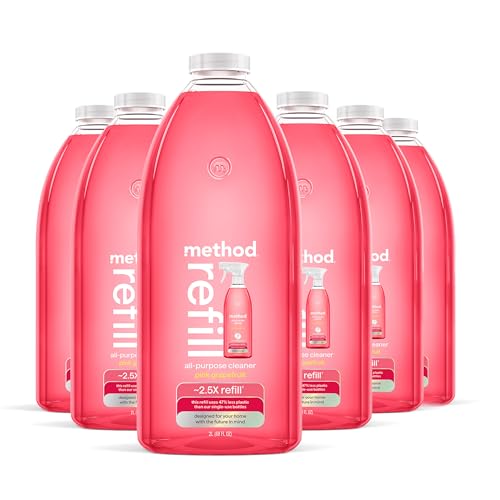
method All-Purpose Cleaner Refill Pink Grapefruit 6 Pack

Bona Hardwood Floor Cleaner Refill 128 fl oz Unscented
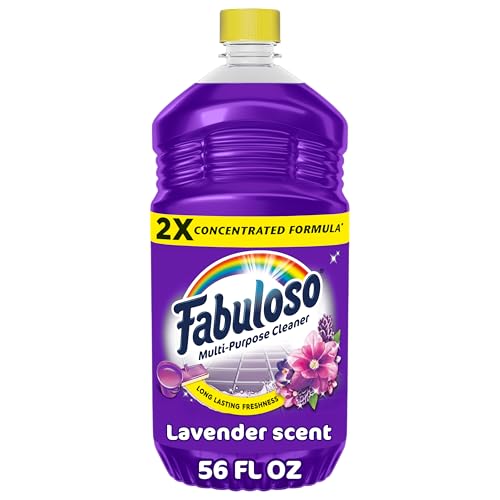
Fabuloso 2X All-Purpose Cleaner Lavender 56 fl oz

Zep Neutral PH Industrial Floor Cleaner 1 Gallon

ZEP Ready-to-Use Hardwood and Laminate Floor Cleaner

Zep Wet-Look Floor Polish 1 Gallon
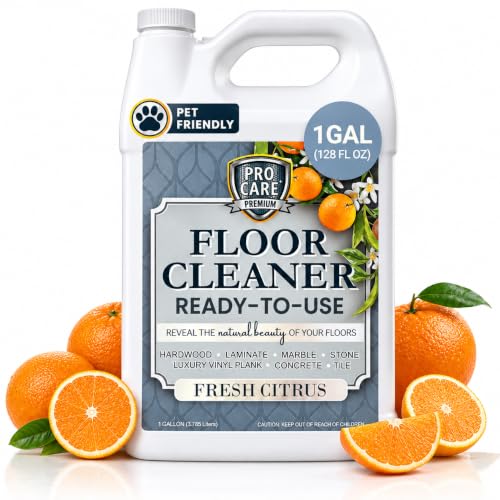
ProCare Floor Cleaner Tile Stone Laminate Vinyl 1 Gallon
More Details On Our Top Picks
method’s pink grapefruit refill is the workhorse you reach for when counters, tile backsplashes, and sealed floors all need wiping in the same afternoon. The 68 fl oz refill format trims single-use plastic, and a six-pack keeps several months of supply tucked under the sink without taking up much space.
The formula leans on plant-derived surfactants (soap-like cleaning agents that lift grease from surfaces) rather than harsher solvents, so streaks tend to stay minimal even on glossy ceramic. In a kitchen with two adults cooking nightly, this handles splatter on tile, sealed stone, and even laminate without leaving a tacky residue.
Practical Advantages
- Citrus grapefruit scent replaces heavy chemical odors, which matters in small kitchens and apartments.
- Refill packaging reduces plastic waste versus buying new spray bottles every cycle.
- Versatile enough for counters, walls, sealed tile, and laminate in one bottle, simplifying routine cleaning.
- The streak-free finish holds up on glossy ceramic and glass-front cabinets during weekly wipe-downs.
- Plant-derived cleaning agents feel gentler around kids and pets who share the floor space.
Things To Consider
- This is an all-purpose spray, not a dedicated floor disinfectant, so heavy grease on concrete may need a stronger product.
- The pink grapefruit scent lingers briefly and may feel strong for scent-sensitive users.
Who It Suits Best
Renters and busy households who want one gentle spray for counters and sealed floors across multiple rooms.
Consider Something Else When
Step up to the Bona Hardwood Floor Cleaner Refill if your main concern is preserving the finish on large hardwood areas.
Bona’s 128 fl oz refill has become the quiet standard for sealed hardwood and polyurethane-finished floors. The pH-neutral (chemically balanced to match plain water so it won’t strip finishes) approach matters: harsher all-purpose sprays can dull a wax or polyurethane coat over months of weekly use, and this one is engineered not to.
The splashless pour spout makes refilling a spray bottle or mop cartridge less of a balancing act. Owners commonly report that the residue-free, fast-drying finish lets them mop an entire dining room and walk across it within minutes, which helps in homes where pets or kids don’t wait politely for floors to dry.
Everyday Perks
- The 128 fl oz size stretches a long way when mixed weekly for routine mopping.
- pH-neutral formula protects polyurethane and unwaxed finishes that harsher sprays can dull over time.
- Residue-free drying leaves the natural wood grain visible instead of a cloudy film.
- The unscented option works well in homes where any fragrance competes with cooking smells or asthma triggers.
- Fits standard Bona spray bottles and mop cartridges, replacing them with a simple pour instead of new packaging.
Worth Noting
- This is a dedicated hardwood cleaner, not an all-purpose spray, so it won’t substitute for cleaning counters or bathroom tile.
- The jug can feel heavy when full, so a sturdy shelf location or a smaller decanted bottle helps daily use.
Feature Snapshot
Made For
Homeowners with sealed hardwood floors who want a gentle, finish-safe formula for weekly mopping.
Skip It When
Swap to the ZEP Ready-to-Use Hardwood and Laminate Floor Cleaner if you prefer a spray bottle without the mixing step.
Fabuloso’s 2X concentrate leans into dilution rather than ready-to-use convenience. The bottle ships as 56 fl oz of concentrated solution, and a standard mix is about 1/8 cup per gallon of water, which stretches one bottle across many rooms over weeks of routine mopping.
The lavender fragrance is the loudest part of the experience. In a kitchen and bathroom that share ventilation with the rest of the house, the scent tends to settle within an hour, and the surface itself ends up clean without a visible film. It also handles furniture and appliance exteriors, which broadens how useful a single bottle becomes.
Advantages To Know
- The 2X concentrate stretches a single bottle across many mopping sessions, lowering cost per use.
- Versatile enough for sealed floors, furniture exteriors, and appliance surfaces in one bottle.
- The lavender fragrance lingers longer than many neutral formulas, masking everyday cooking odors.
- Mixing ratios are flexible, so heavier kitchen messes can take a slightly stronger dose without waste.
Trade Offs
- The strong lavender scent may feel overpowering for scent-sensitive households.
- It is not designed for unsealed wood, so a separate product is needed for wax-finished or oiled floors.
- Requires measuring and a mop bucket, which adds a step compared to a spray-and-wipe formula.
Best Suited To
Budget-focused households that mop several rooms on a weekly schedule and want one multi-surface bottle.
Not Your Match When
Move to the ProCare Floor Cleaner for a streak-free finish across mixed surfaces like natural wood and tile.
Zep’s concentrated gallon is built for serious floor area. The dilution ratio is generous, with the source noting that one gallon can make up to 128 gallons of finished product, which makes it practical for workshops, basements, and large commercial rooms rather than small apartments.
The neutral pH matters more than it sounds. Strong alkaline or acidic cleaners can strip polish from vinyl composition tile over time, and this formula is engineered to maintain that protective coating while still removing ground-in grime. It also works on marble, granite, vinyl, and stone, so it adapts to mixed-floor layouts without needing multiple bottles.
Positive Takeaways
- Concentrate dilutes to roughly 128 gallons of finished solution, which drops the per-use cost dramatically.
- Neutral pH preserves floor polish on vinyl and stone, reducing the need to re-strip and re-wax annually.
- Compatible with marble, granite, vinyl, and stone, simplifying supply closets with mixed flooring.
- No-rinse formula saves time during large-area cleaning, which matters in workshops and basements.
Honest Caveats
- One gallon is heavy and bulky, so storage near the cleaning area needs planning.
- Mixing ratios require attention, and over-dosing can leave a film on sensitive surfaces.
- Not formulated for waxed or oiled wood floors, so a separate product is needed in homes with those finishes.
Quick Facts
Who Should Grab It
Workshop owners, landlords, and homeowners with large vinyl or stone areas who want concentrate value.
A Better Fit Elsewhere
Choose the Bona Hardwood Floor Cleaner Refill instead if your main floor is sealed hardwood that needs a gentler touch.
ZEP’s ready-to-use spray trades the mixing step for grab-and-go convenience. It arrives pre-diluted in a spray bottle, so spot-cleaning a sticky spot on laminate or a scuff on a baseboard takes seconds rather than requiring a mop bucket.
The fast-drying formula is the practical highlight. In a busy hallway where foot traffic resumes quickly, you spray, wipe with a dry mop, and the floor is ready within minutes. It also works on varnish, acrylic, and polyurethane-finished wood, plus cabinet doors and crown molding, so the same bottle handles light dust and scuffs beyond the floor.
Real-World Strengths
- Ready-to-use spray cuts out measuring and mixing for fast spot cleanups during the week.
- Fast-drying finish lets foot traffic resume quickly, which helps in hallways and entryways.
- Works on baseboards, cabinet doors, and crown molding beyond the floor itself.
- No-rinse formula simplifies the routine without leaving a sticky residue behind.
Points To Keep In Mind
- Not suited for tile or grouted floors, so a separate bathroom cleaner is still needed.
- Spray format uses more plastic per ounce than concentrated refills over time.
- Avoid using on oil-finished wood, which needs a different care product entirely.
Right Fit For
Busy households with laminate or sealed wood floors who want quick spray-and-wipe cleanups between deeper mopping sessions.
Reach For A Different Pick When
Switch to the Zep Neutral PH Industrial Floor Cleaner if your home includes a large vinyl or stone area that benefits from concentrate value.
Zep’s Wet-Look Floor Polish is the odd one out in this roundup, and that’s the point. It is not a routine cleaner; it is a polymer-based coating (a thin synthetic layer that bonds to the surface) designed to lay down a glossy, reflective finish on worn vinyl, sealed concrete, and similar floors that have lost their original sheen.
The gallon size suggests a one-room or two-room project rather than weekly mopping. It works well as a periodic refresh before guests arrive, or to revive a sun-faded vinyl kitchen floor that has started looking dull after years of traffic. Think of it as finishing product rather than everyday cleaner.
The Helpful Details
- Lays down a durable glossy finish that revives worn vinyl and similar hard floors in a single application.
- Gallon size covers a full kitchen or two-room project without needing multiple purchases.
- Long-lasting shine reduces the need to repeat the application frequently.
Where It May Fall Short
- This is a polish, not a daily cleaner, so it pairs with a separate routine cleaner for weekly mopping.
- Application requires careful prep and even coats to avoid streaking or patchy gloss.
- Not designed for wood, laminate, or stone surfaces that prefer pH-neutral care.
Feature Card
Whose Shelf It Belongs On
Homeowners with worn vinyl floors who want a periodic gloss refresh instead of routine mopping.
Look Elsewhere When
Pick the ProCare Floor Cleaner if your priority is everyday streak-free mopping across multiple floor types.
ProCare’s gallon jug targets the messy reality of homes that don’t live in a single flooring type. Tile in the entryway, laminate in the living room, vinyl in the kitchen, and stone in the bathroom can all share one bottle without juggling multiple specialty products.
The streak-free claim matters most on dark vinyl and glossy tile, where residue shows up quickly under afternoon light. A light citrus aroma accompanies the cleaning, which feels less intrusive than heavy lavender in open floor plans. The gallon format also suits households that mop weekly and want to skip frequent repurchasing.
A Favorable Mix
- Compatible with tile, stone, laminate, vinyl, and natural wood, simplifying multi-surface routines.
- Streak-free finish holds up on dark vinyl and glossy tile where residue shows easily.
- Citrus scent reads lighter than heavy florals, which suits open floor plans.
- Gallon format stretches well across weekly mopping without frequent repurchasing.
- Made in the USA, which matters for shoppers who prefer domestically produced cleaning supplies.
Small Caveats
- Unscented purists may still find the light citrus noticeable in scent-sensitive homes.
- A full gallon is heavy to lift and pour, so a smaller decanted bottle helps daily use.
- Natural wood floors may need a quick check with the manufacturer’s care guide before routine use.
Perfect Match For
Households juggling several floor types who want one streak-free bottle that works across all of them.
Where A Sibling Pick Shines
Reach for the Fabuloso 2X All-Purpose Cleaner if you prefer a stronger fragrance and a more affordable concentrate per ounce.
What To Weigh Before Choosing A Floor Cleaner
Floor type drives more decisions than any other factor, and skipping that step leads to dulled finishes or sticky residue. Sealed hardwood and laminate want a pH-neutral, residue-free formula that won’t strip polyurethane over months of weekly mopping. Tile, vinyl, and sealed stone tolerate a wider range of cleaners, including heavier degreasing concentrates for kitchens and entryways. Unsealed or oil-finished wood is its own category entirely, and most general-purpose cleaners will leave marks, so matching the product to the floor comes first.
Fragrance matters more than people expect. Scented cleaners can mask cooking odors briefly, but heavy florals compete with dinner smells and may bother guests or household members with asthma. Unscented or lightly citrus options blend more quietly into open floor plans. Concentration also shapes cost per use: a one-gallon concentrate dilutes to many times its volume, while ready-to-use sprays trade economy for convenience.
Surface compatibility deserves a second look. Some formulas work on hardwood, tile, and vinyl; others are designed specifically for sealed wood and should not touch stone. Checking the label against every floor type in your home prevents the slow damage that builds up over months of mismatched products. Cleaning frequency matters too: weekly moppers benefit from gentle formulas, while occasional deep cleans can handle stronger degreasers without issue.
Key Considerations Across These Picks
Pitfalls Shoppers Hit
Many shoppers grab the strongest-smelling cleaner, expecting heavy fragrance to mean heavy cleaning power. In reality, fragrance is mostly a sensory choice and rarely signals cleaning strength. Over-diluting concentrate to save money is another common slip, leaving floors sticky and attracting more dirt over the following days. Skipping the floor-type check on the label is the most expensive mistake, since a harsh cleaner on sealed hardwood can dull a finish over months and force a costly re-coating.
Where The Extra Money Goes
Higher-tier floor cleaners tend to invest in pH-balanced chemistry, residue-free drying, and packaging that reduces plastic waste through refills. Those features protect floor finishes over years of weekly mopping, which can save on refinishing costs down the road. Premium picks also tend to cover a wider range of surfaces, so one bottle replaces two or three specialty products, simplifying your routine. The upgrade pays off most in homes with multiple floor types or sealed hardwood that needs gentle, finish-safe care.
Frequently Asked Questions
Do disinfecting floor cleaners damage hardwood finishes? Most general-purpose cleaners can dull polyurethane over time, which is why sealed hardwood benefits from pH-neutral formulas like the Bona refill. Checking the label for “safe for sealed wood” is the simplest safeguard.
How often should floors be mopped with these cleaners? Weekly mopping is a practical rhythm for most households with kids or pets. Heavier traffic zones like entryways and kitchens may need a quick spray-and-wipe touch-up between full mopping sessions.
Can one cleaner work on multiple floor types? Multi-surface formulas like ProCare’s gallon cover tile, stone, laminate, vinyl, and natural wood in one bottle. Always spot-check an inconspicuous area first, especially on natural wood with an unknown finish.
Are concentrated cleaners more cost-effective? Yes, gallon concentrates like Zep’s industrial option dilute to many times their volume, which drops the per-use cost noticeably over months of weekly mopping.
Is fragrance-free better for allergy-prone households? Unscented formulas like the Bona refill avoid competing with cooking smells and reduce the chance of irritation for scent-sensitive users or anyone with fragrance-triggered asthma.
Bottom Line
The right floor cleaner depends less on cleaning power alone and more on the floor type, scent preference, and how often you mop. Sealed hardwood owners get the most from pH-neutral refills like Bona, while multi-surface households save time with a versatile gallon like ProCare. Pick the formula that matches your floor, your routine, and your scent tolerance, and the weekly mop becomes a quicker, less frustrating task.