Your radiator does a quiet, brutal job: pulling heat off a combustion engine hour after hour, year after year. Eventually, rust flakes, mineral scale, and old oil residue settle into the passages where coolant should flow freely. A good cleaning pulls that gunk out before it strangles heat transfer or clogs a heater core. The picks below cover cooling-system flushes, rust removers, and a few closely related workshop chemicals that DIYers and home mechanics reach for during a routine service.
A Side-By-Side Look

Smilyeez BG K5901 Cooling System Flush Coolant Service Kit

CRC Brakleen Brake Parts Cleaner Spray 14 oz (12-Pack)

BlueDevil 3 in 1 Radiator Flush 32 oz

CRC Thermocure Cooling System Rust Remover 32 oz
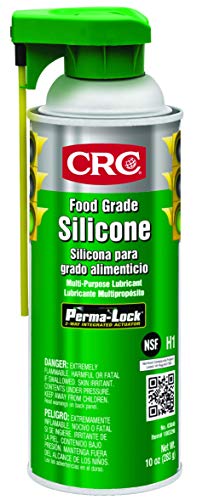
CRC Food Grade Silicone 10 Wt Oz (12 pack)

Liqui Moly Radiator Cleaner 300 ml
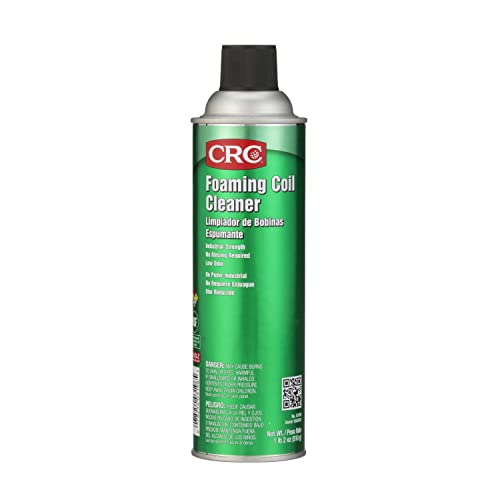
CRC Foaming Coil Cleaner 18 Wt Oz

Prestone Radiator Flush/Cleaner AS105R
Meet The Standout Selections
This kit takes a two-step approach that mirrors what a professional shop does during a coolant service. You run a dedicated cleaner through the system first, drain it, then follow with a second-stage rinse to pull out loosened debris before refilling with fresh coolant. For home mechanics wrestling with a neglected cooling system, that structured process can feel more reassuring than pouring a single product in and hoping for the best.
The trade-off is that you handle two bottles instead of one, and you need to keep track of the order. The setup pays off when the goal is a thorough clean rather than a quick splash, especially on vehicles that have not had a flush in many years.
What Pays Off
- Two-bottle format supports a full clean then rinse cycle
- Targets rust, scale, and sludge in one service
- Reduces the chance of overheating by restoring flow
- Helps extend the service life of hoses, water pumps, and the radiator
- Useful when prepping an engine for a fresh long-life coolant
Honest Caveats
- Requires reading instructions carefully so the steps run in the right order
- More involved than a single-bottle flush, which may feel like overkill on a regularly serviced vehicle
Key Specs
Whose Shelf It Belongs On
Shaded driveway DIYers restoring a vehicle that has not had a cooling system service in many years will appreciate the structured format.
Skip It When
Shoppers who only want a quick single-bottle top-off before a coolant change should reach for the BlueDevil 3 in 1 Radiator Flush instead.
Brakleen is not a coolant flush, and pretending otherwise would be dishonest. It belongs on this list because brake work, cooling system work, and general engine bay cleanup often happen in the same weekend, and a non-chlorinated spray cuts through grease, oil film, and brake dust quickly without leaving a residue that contaminates fresh parts.
The twelve-can format suits a small shop or a serious hobbyist who goes through aerosol cans faster than expected. For someone only doing a single brake job, the bulk pack may feel like more than they need.
Key Advantages
- Non-chlorinated formula with reduced VOC content
- Cuts through brake fluid, grease, oil, and road grime
- Safe for use on calipers, drums, pads, and clutch components
- Twelve-can pack suits repeated use across multiple projects
Small Caveats
- Not a substitute for an in-system coolant flush or rust remover
- Aerosol cans require proper storage away from heat sources and open flame
Made For
Home mechanics tackling brake jobs and engine bay cleanup on multiple vehicles throughout the year.
Look Elsewhere When
Someone who only needs a true in-radiator flush should look at the Prestone Radiator Flush/Cleaner AS105R for that purpose instead.
BlueDevil’s 3 in 1 bottle handles flushing and degreasing in a single pour, which is exactly the kind of convenience most weekend mechanics want. The 32-ounce size covers a typical passenger car or small SUV without leaving you with a mostly-empty bottle in the recycling bin. Compared with the Smilyeez kit above, this is a simpler, single-bottle workflow that suits regularly maintained vehicles rather than full restorations.
The dual-action approach targets the two things that clog a cooling system most often: rust scale and oil that has leaked past a head gasket or a wet-sleeve seal. For most owners doing an annual coolant service, that combination is more than enough.
Useful Strengths
- Dual-action formula flushes deposits and breaks down oil residue
- Improves coolant flow and heat transfer for steadier running temperatures
- Helps prevent overheating and clog-related cooling issues
- 32 oz size matches the cooling system capacity of most sedans and small SUVs
Points To Note
- Single-bottle format means you do not get a dedicated second-stage rinse
- Severe rust or sludge in a long-neglected system may need more than one treatment
Quick Facts
Who It Suits Best
Daily drivers on a regular coolant change schedule, where the goal is steady maintenance rather than a deep restoration.
Consider Something Else When
An older engine with visible rust flakes in the expansion tank will benefit more from the CRC Thermocure Cooling System Rust Remover.
Thermocure takes a focused approach: a water-based formula designed to lift rust from inside radiators, water pumps, and engine cooling passages. Where the BlueDevil flush handles a bit of everything, this one is for the specific problem of brown coolant and orange flakes that signal internal corrosion. For a barn-find engine or a vehicle that has been parked for a season, that focus can be more useful than a general-purpose flush.
You still need a clean water rinse and fresh coolant after the treatment, so the workflow is closer to a restoration task than a quick top-off. Most owners reach for this only when the symptoms point directly at rust.
Useful Highlights
- Water-based formula designed specifically for rust removal
- Suitable for radiators, water pumps, and engine cooling passages
- Larger 32 oz bottle supports one full system treatment
- Useful when prepping a long-stored engine for its first fresh coolant
Trade Offs
- Narrower focus means it is not the best choice for systems that mostly need a general scale flush
- Requires a thorough clean-water rinse afterward, adding time to the service
Best Suited To
Restorers and hobbyists bringing an older vehicle back into service after a long period of storage.
Not Your Match When
Someone doing a routine annual flush on a clean daily driver will get more value from the Prestone Radiator Flush/Cleaner AS105R.
This silicone spray is a deliberate detour from the radiator-flush lane, and it earns its spot on a workshop roundup for a different reason. Anywhere a cooling system job happens near food processing equipment, commercial kitchens, bottling lines, or vending hardware, you need a lubricant that is NSF H1 registered, meaning it is acceptable for incidental food contact. Standard garage silicone sprays do not carry that rating.
The 12-pack size suits maintenance crews who service the same kind of equipment regularly. For a one-off home project, the bulk format is more than most people need.
The Helpful Details
- NSF H1 registered for incidental food contact
- Forms a colorless, odorless, non-staining lubricating film
- Suitable for chutes, guides, conveyors, slicers, and similar equipment
- Works across a wide temperature range for high-heat environments
Some Limits To Know
- Not a cleaner or flush for engine cooling systems
- Bulk twelve-can pack is more than a casual user will go through in a single season
Perfect Match For
Maintenance staff at small food production facilities, commercial kitchens, or bottling operations who need a compliant lubricant on hand.
Reach For A Different Pick When
Anyone working on a car cooling system should look at the Liqui Moly Radiator Cleaner for that specific task.
Liqui Moly packs its radiator cleaner into a 300 ml bottle that suits the smaller cooling systems common on European and import vehicles. The compact format avoids the wasted partial bottle you can end up with using a 32-oz product on a car that only holds a few liters of coolant. For owners working on a single car, that right-sized container is genuinely useful.
The additive is designed for water-cooled engines broadly, so it is not locked to a specific make. Owners of larger American V8s may still prefer a bigger bottle.
Bright Spots
- 300 ml size suits smaller-capacity cooling systems
- Targets scale, grease, and sludge across water-cooled engines
- Single-quantity pack avoids leftover shelf clutter
- Compact bottle stores easily in a small garage or apartment toolbox
Factors To Consider
- Smaller bottle may not cover a large-displacement V8 in a single service
- Less readily available in physical auto parts stores than mainstream brands
Feature Snapshot
Who Will Love This
Import car owners and European vehicle enthusiasts who want a right-sized bottle without leftover product.
A Better Fit Elsewhere
Shoppers maintaining a large American V8 will find more appropriate volume in the BlueDevil 3 in 1 Radiator Flush.
This foaming cleaner is another specialist entry. It is built for the air conditioning and refrigeration side of the cooling world: evaporator and condenser coils, where dust, lint, and oily grime build up on the fins. The thick, expanding foam clings to vertical surfaces long enough to break down buildup that a simple spray would run off of.
For homeowners with a window unit, central air handler, or a refrigerator condenser that has not been cleaned in a long time, this is a practical tool. It does not belong in an engine cooling system.
Everyday Perks
- Expanding foam clings to vertical coil surfaces for better dwell time
- Water-based, non-acidic formula is gentler on aluminum fins and copper tubing
- Helps restore airflow and heat transfer across evaporator and condenser coils
- 18 oz aerosol suits a single AC unit or refrigerator service
Worth Bearing In Mind
- Not designed for use inside an engine cooling system
- Heavily soiled coils may still need a follow-up rinse in stubborn spots
Right Fit For
Homeowners and HVAC technicians servicing window units, central air handlers, and refrigerator condensers during seasonal maintenance.
Swap It Out When
Anyone working on an automotive cooling system should look at the Smilyeez BG K5901 Cooling System Flush Coolant Service Kit instead.
Prestone is a name that shows up in the coolant aisle at every parts store, and the AS105R flush is the kind of product most people reach for when they just want a straightforward radiator service. The formula covers the common culprits: rust, scale, and sediment that build up over a coolant’s service life. For a vehicle that has been maintained on a regular schedule, it does the job without overcomplicating the workflow.
Where the Smilyeez kit or the CRC Thermocure target more involved jobs, this one is the steady, mainstream option for an annual coolant change.
What Works In Its Favor
- Mainstream radiator flush from a well-known automotive brand
- Targets rust, scale, and sediment from normal coolant aging
- Suits a standard annual or biennial coolant change service
- Widely available across parts stores and online listings
Things To Weigh
- General-purpose focus means heavily neglected systems may need a stronger rust-focused product
- Single-can format lacks the dedicated second-stage rinse that two-step kits provide
Built With In Mind
Everyday vehicle owners running routine maintenance who want a familiar, accessible flush that works on most engines.
Where A Sibling Pick Shines
An engine with serious rust contamination will respond better to the CRC Thermocure Cooling System Rust Remover.
Choosing The Right Coolant System Cleaner For Your Garage
Match The Product To The Real Problem
The first decision is honestly diagnosing what is wrong. Brown coolant, orange flakes, or visible sediment point toward rust, and a rust-focused product like the CRC Thermocure makes more sense than a general flush. A system that has simply been on the same coolant for too long usually responds well to a general-purpose cleaner such as the Prestone AS105R or the BlueDevil 3 in 1.
Size The Bottle To The Cooling System
Cooling system capacity varies a lot, and buying too much leads to half-used bottles cluttering a shelf. A 300 ml bottle suits a small import, while a 32 oz jug covers most full-size sedans and small SUVs. A neglected big-block engine may need more than one bottle to do the job right.
Know The Workflow You Are Willing To Do
A two-step kit adds time and an extra bottle, but it usually pulls out more contaminant. A single-pour flush is faster and simpler for a regularly maintained car. Think about whether the extra effort earns you anything tangible, or whether a quicker service is the more honest fit for the vehicle’s condition.
Consider Adjacent Workshop Chemicals
Brake cleaners, HVAC coil foams, and food-grade silicone sprays are not coolant flushes, but they tend to live in the same toolbox. Shoppers who only need an in-radiator flush should focus on the dedicated engine cooling products and skip the specialty cleaners that solve different problems.
Key Considerations Across These Picks
Pitfalls Shoppers Hit
The most common mistake is treating every cooling system the same way. A daily driver on a regular schedule and a long-stored project car have completely different needs, and reaching for the wrong product wastes money. Another trap is assuming one bottle covers every vehicle, since cooling system capacity varies and a too-small bottle leaves deposits behind.
What The Higher Tier Buys
Multi-step kits and rust-focused formulas cost more because they handle tougher problems and add a dedicated rinse stage. The premium pays off on neglected systems, restoration projects, or older engines with visible corrosion. For a well-maintained daily car, a standard single-bottle flush delivers plenty of value without the extra step.
Frequently Asked Questions
How often should a cooling system be flushed?
Most manufacturers recommend a coolant flush every few years, though exact intervals depend on the coolant type and vehicle. Following the schedule in your owner’s manual is the safest baseline.
Can a coolant flush fix an overheating engine?
A flush can help if the overheating is caused by restricted flow from deposits, but it will not repair mechanical failures like a failing water pump, stuck thermostat, or blown head gasket. Persistent overheating needs a broader diagnosis.
Are these products safe for all radiator materials?
Most modern aluminum and plastic-aluminum radiators tolerate the standard flushes, but always check the product label for compatibility, especially on older all-metal systems. A quick scan of the back of the bottle saves a lot of grief.
Do I need to change the thermostat when flushing the system?
Flushing and thermostat replacement are separate jobs, and a flush alone does not require swapping the thermostat. Thermostats are usually replaced on their own failure schedule or when they stick.
How do I dispose of used coolant and rinse water?
Coolant is toxic to pets and wildlife and should never go down a household drain. Most municipalities and service stations accept used coolant for proper disposal, so check local options before draining anything.