Restrooms see heavy traffic, and keeping them sanitary without burning through product is a real balancing act. The right commercial bathroom cleaners cut through soap scum, hard water, and grime fast, leaving surfaces ready for the next round of guests. This roundup walks you through eight solid options that handle routine turnover in offices, hotels, clinics, and busy households, so you can match the formula to the mess instead of guessing at the shelf.
The Essentials At A Glance

CloroxPro Clean-Up Disinfectant Cleaner Refill 128 oz (Pack of 4)

Clorox Toilet Bowl Cleaner with Bleach 24 oz (2 Pack)

Scrubbing Bubbles 39572 Dow Bathroom Cleaner 25 oz (Pack of 4)

SC Johnson Professional Windex Glass Cleaner Refill 1 Gallon (4 Count)

SC Johnson Professional Scrubbing Bubbles Bathroom Disinfectant 12 Pack
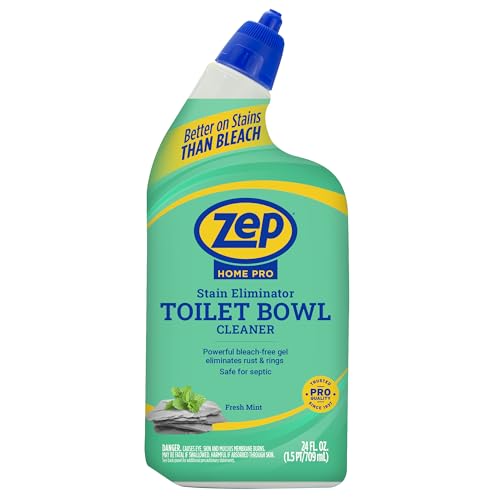
Zep Home Pro Pro-Strength Stain Eliminator Toilet Bowl Cleaner 24 oz

Zep Plus Bathroom Foaming Cleaner 32 oz (Case of 12)

Zep HomePro Foaming Miracle Grout Cleaner and Protectant 32 oz
Refill jugs keep restrooms stocked without constant trips to the supply closet, and CloroxPro Clean-Up delivers a bleach-based one-step spray that handles sinks, tile, and counters in a single pass. The four-pack gives you 128 fluid ounces per bottle, which means custodial teams can refill trigger sprayers on demand instead of rationing product. It works especially well in healthcare-adjacent settings where mold and mildew creep along grout lines around shower walls and tub basins.
Compared to the toilet-specific picks later in this list, this one trades bowl-coating power for general surface reach. You’re buying volume and versatility rather than a targeted specialty.
The Value In It
- Bleach formula targets mold and mildew in shower walls, tubs, and sinks in commercial facilities
- Four 128-ounce refill jugs stretch your supply budget across high-traffic restrooms
- One-step spray action cuts down on the wipe-rinse-repeat routine your team has to run
- Larger refill format reduces plastic waste from disposable spray bottles
Points To Keep In Mind
- Bleach fumes can feel strong in small, poorly ventilated restrooms
- Not designed for toilet bowls, so you still need a dedicated bowl cleaner on hand
Whose Shelf It Belongs On
Facility maintenance teams and office managers stocking a supply closet for daily restroom rounds across multiple rooms.
Look Elsewhere When
Teams focused mainly on toilet bowls should reach for the Zep Home Pro Pro-Strength Stain Eliminator Toilet Bowl Cleaner instead, since it’s built specifically for bowl surfaces.
Toilet bowls take the brunt of restroom traffic, and a thick bleach gel that clings under the rim gives the active ingredients time to work where streaks and rings usually settle. This two-pack of 24-fluid-ounce bottles brings a Rain Clean scent that softens the bleach note, which matters in enclosed commercial restrooms where odor lingers. The angled nozzle reaches the waterline without forcing you to scrub hard or kneel into awkward positions.
Whereas the CloroxPro refill above is a general spray, this bottle is a focused bowl tool with a much narrower job.
The Case For It
- Thick gel formula coats under the rim and dissolves stubborn rings on contact
- Bleach-based formula handles mold and mildew deposits inside the bowl
- Rain Clean scent freshens the air during and after application
- Two-pack format keeps a backup bottle within reach for busy facilities
Trade Offs
- Bleach odor can feel sharp in windowless restrooms with limited airflow
- Single-purpose design means you still need a separate all-surface cleaner for sinks and tile
Feature Snapshot
Built With In Mind
Custodial crews and small-business owners handling daily bowl maintenance in offices, restaurants, and apartment buildings.
Swap It Out When
Facilities battling heavy rust and limescale buildup will get more mileage from the Zep Home Pro Pro-Strength Stain Eliminator Toilet Bowl Cleaner, which is engineered for those specific stains.
Aerosol foam earns its keep on vertical surfaces where liquid spray would drip straight to the floor before doing any work. Scrubbing Bubbles’ lemon-scented foam clings to tile, glass, and tub walls long enough to soften soap scum and hard water spots, then rinses away with a wipe. The four-pack of 25-ounce cans fits neatly in a supply cart and gives your team a familiar trigger action that doesn’t require pouring or mixing.
Versus the CloroxPro bulk refill, this option trades refillable volume for grab-and-go convenience in cans that any crew member can deploy without setup.
A Favorable Mix
- Foaming action sticks to shower walls and tile where liquids drip too fast to work
- Lemon scent leaves a noticeable freshness after each cleaning pass
- Four-can pack keeps several stations in service at the same time
Minor Gripes
- Aerosol cans add to recycling waste compared with refillable trigger bottles
- Not a substitute for a bowl-specific product when rings and rust stains are present
- Can run out faster than gallon refills in high-traffic facilities
The Right Fit
Janitorial staff handling quick daily touchups across multiple restroom stations in retail or hospitality settings.
A Better Fit Elsewhere
Teams running high-volume daily rounds on a tighter supply budget may prefer the SC Johnson Professional Scrubbing Bubbles Bathroom Disinfectant 12 Pack for better per-can economics.
Mirrors and partition glass are the first things visitors notice in a commercial restroom, and streaks make a bad impression faster than almost anything else. Windex Glass And More multi-surface formula comes in a four-pack of one-gallon refills, which slots neatly into supply closets for high-traffic buildings. The floral scent lingers lightly after wipe-downs without competing with other cleaning products your team layers on.
Unlike the foam and bleach picks earlier in this list, this is a dedicated glass and light-surface product, so it earns its place as a specialty tool rather than a daily driver.
A Strong Showing
- One-gallon jugs refill standard trigger bottles quickly without messy pouring
- Multi-surface formula handles mirrors, windows, and counters in one wipe
- Four-jug pack suits large facilities with many glass surfaces to maintain
Things To Consider
- Gallon jugs need a dedicated storage spot since they’re heavier and bulkier than spray cans
- Not designed for soap scum or heavy bathroom grime, so it complements rather than replaces other products
Who It Suits Best
Building maintenance teams and hotel housekeeping leads responsible for streak-free mirrors across many rooms each shift.
Reach For A Different Pick When
Crews tackling soap-heavy showers and tubs will get more value from the Zep Plus Bathroom Foaming Cleaner, since glass formula isn’t built for that residue.
A twelve-pack case turns a routine cleaning purchase into a quarterly supply decision, which fits how facilities actually shop for restrooms. The foaming action is built for daily care of hard, non-porous surfaces, and it tackles lime scale and calcium deposits that show up on faucets and tile after months of hard water exposure. The pleasant scent is a small detail that matters when crews use the product several times a day in enclosed spaces.
Compared to the four-pack aerosol cans earlier, this version delivers more units per shipment for crews managing multiple rooms at once.
Useful Strengths
- Foaming spray clings to lime scale and calcium buildup on tile and chrome
- Twelve-can case reduces reorder frequency for facility managers
- Suitable for offices, public buildings, hotels, and healthcare environments
Honest Caveats
- Cans require shaking before and during use, which adds a step to routine cleaning
- Chrome surfaces need a water rinse afterward, so plan an extra wipe into the workflow
Best Suited To
Facility managers running consistent daily restroom rounds across offices, hotels, or healthcare waiting areas.
Skip It When
Teams working smaller footprints may find the twelve-pack format excessive and should consider the four-pack Scrubbing Bubbles 39572 cans for tighter inventory control.
Hard water leaves rust-colored rings that ordinary bleach gel barely touches, and that’s where a pro-strength formula earns its shelf space. The thick liquid clings to bowl surfaces long enough for the active ingredients to break down limescale and rust, and the angled spout directs the product under the rim where stains hide. It doubles as a urinal cleaner, which keeps your supply list shorter when one product handles multiple fixtures.
Against the Clorox bleach gel above, this pick is more about stain chemistry than broad germ-killing, so it shines where minerals do the damage.
A Few Highlights
- Professional-strength formula dissolves tough limescale that daily cleaners leave behind
- Thick consistency clings to bowl walls for extended contact time
- Angled spout reaches under the rim without awkward bottle tilting
- Works on toilet bowls, urinals, and other bathroom fixtures
Practical Considerations
- Single 24-ounce bottle may run out faster in busy facilities than multi-pack options
- Stronger formula means extra ventilation matters in windowless restrooms
Made For
Maintenance crews in regions with hard water or older buildings where rust and mineral stains are a recurring challenge.
Where A Sibling Pick Shines
Routine bowl care without heavy staining is handled more affordably by the Clorox Toilet Bowl Cleaner with Bleach two-pack.
Soap scum is the slow-build problem that turns a once-bright shower into a cloudy mess over months, and prevention beats scrubbing every time. This bleach-free foaming cleaner lays down an invisible barrier that helps new grime from sticking, which extends the time between deep cleans. The Rain Drop scent refreshes the air during use, and the twelve-bottle case keeps a full facility in stock for the long haul.
Where the Scrubbing Bubbles foaming picks focus on foam cling, this Zep option adds that protective layer that pays off on the next cleaning cycle.
What It Does Well
- Bleach-free formula suits facilities where chlorine fumes are a concern
- Foaming action leaves an invisible barrier that slows future soap scum buildup
- Rain Drop scent refreshes enclosed restrooms during routine wipe-downs
- Twelve-bottle case supports bulk supply purchasing for busy teams
Things To Weigh
- Lacks the heavy disinfecting power of bleach-based formulas for high-risk environments
- 32-ounce bottles need shelf space and a trigger sprayer setup at each station
Perfect Match For
Hospitality housekeeping teams and gyms managing shower rooms where soap scum builds faster than disinfection is critical.
Another Choice May Suit
Healthcare or clinic settings with strict disinfection protocols may prefer the bleach-based CloroxPro Clean-Up refill instead.
Grout is the part of a restroom that quietly absorbs everything, and once it darkens, regular spray cleaners don’t reach deep enough to bring it back. This foaming formula is built specifically for grout lines on ceramic, porcelain, granite, and quartz tile, and it adds a protective barrier with each cleaning pass. The Mountain Drop scent leaves a noticeable freshness, which matters in restrooms that visitors notice first by smell.
Set against the all-purpose picks earlier, this is a specialty tool that handles the surfaces regular sprays leave behind.
Where It Excels
- Foaming action lifts daily grime from tinted and white grout without harsh scrubbing
- Adds protection each time you clean, extending results between sessions
- Safe for ceramic, porcelain, granite, and quartz tile installations
A Few Limitations
- Single 32-ounce bottle isn’t ideal for facilities needing multi-room coverage at once
- Specialty focus means it complements rather than replaces your everyday restroom sprays
Quick Facts
Who Should Grab It
Caretakers and cleaning crews restoring tile floors and walls in lobbies, restaurants, and older buildings with porous grout.
Not Your Match When
Teams focused only on quick daily wipe-downs will get more general-purpose mileage from the CloroxPro Clean-Up refill jugs.
What Matters Most Before Choosing commercial bathroom cleaners
The right product depends less on brand recognition and more on the mess you face daily. Start with the surface list, since a one-step spray handles a small office restroom, while a tile-heavy hotel shower room needs targeted foam or grout care. Match the formula to the dominant stain: bleach-based products win on germ and mildew work, while acid-style formulas like Zep’s toilet bowl cleaner break down rust and limescale that bleach leaves behind.
Volume and Pack Format
Refill jugs and case packs reduce reorder frequency but require closet space and a way to decant into trigger bottles. Smaller aerosol cans fit on a cleaning cart and deploy fast, which matters when crews move room to room. Match the format to how your team actually restocks, not just the unit cost.
Surface Compatibility
Quartz, granite, and porcelain tile each react differently to acids and bleach, so always confirm a product is safe for the materials in your restroom before spraying broadly. Specialty products like grout protectants earn their spot when standard sprays leave porous lines darkening over time.
Ventilation and Scent
Bleach fumes build up fast in windowless restrooms, and crews using product several times a day may want a lower-odor option. Scented formulas like Rain Clean or Mountain Drop soften the chemical note but don’t replace proper airflow during and after use.
Smart Choices Before You Stock Up
Where Shoppers Go Wrong
Many teams grab a familiar brand and assume it covers every surface, then wonder why grout still looks tired a month later. A blended supply list usually works better than a single product, since each formula handles a different job. Skipping ventilation planning is another common miss, especially when bleach products get used repeatedly in small rooms.
When Paying More Pays Off
Higher-tier options earn their cost through concentrated formulas and protective barriers that reduce how often you re-clean. A grout protectant that lays down an invisible shield after each pass means fewer deep scrubs down the road, which saves labor hours. Bulk case packs also cut reorder overhead for facilities with steady, predictable use.
Frequently Asked Questions
How often should commercial restrooms be cleaned?
High-traffic restrooms benefit from at least one full clean per shift, with spot checks between heavy use periods. The exact frequency depends on visitor volume, but daily wipe-downs of high-touch surfaces keep germs and odors from building up between deep cleans.
Is bleach necessary for commercial restroom cleaning?
Bleach handles germ-killing and mildew well, but it’s not always the right tool. Acid-based formulas work better on rust and mineral stains, while bleach-free foams suit facilities concerned about fumes or sensitive surfaces.
Can one cleaner handle every surface in a restroom?
Most products target specific surfaces or stain types, so a layered approach usually works better than a single bottle. Pair an all-surface spray with a dedicated bowl cleaner and a specialty grout or glass product for the best results across a full restroom.
Are foaming cleaners better than sprays?
Foaming formulas cling to vertical surfaces longer than liquid sprays, which helps them break down soap scum on tile walls. Liquid sprays work fine on flat surfaces and quick wipe-downs where dwell time isn’t critical.
How should commercial cleaning chemicals be stored?
Most concentrates and refill jugs belong in a cool, dry supply closet away from direct sunlight and incompatible products. Aerosol cans should stay capped and upright, and safety data sheets from the manufacturer should remain accessible to your team.
The Takeaway
Matching the formula to the mess is the whole game with commercial bathroom cleaners. Stock a broad disinfectant for daily wipe-downs, a bowl-specific product for toilet work, and a specialty foam or grout formula for the surfaces that standard sprays leave behind. Your restroom stays presentable, your crew works more efficiently, and your supply budget stretches further across every shift.