You spend weekends shuttling kids, gear, and coffee through your vehicle, and the seats show it. Ground-in grime, mystery smells, and that one sauce stain from three summers ago all stack up, leaving the cabin feeling older than the odometer suggests. The right upholstery cleaner turns a tedious scrub-down into a satisfying reset, restoring fabric and foam without leaving behind a sticky residue or harsh chemical smell. This shortlist covers six formulas that handle everything from quick spill rescues to deep fabric restoration, so you can match the right product to the mess in front of you.
How The Shortlist Stacks Up

P & S Carpet Bomber Upholstery Cleaner 1 Gallon
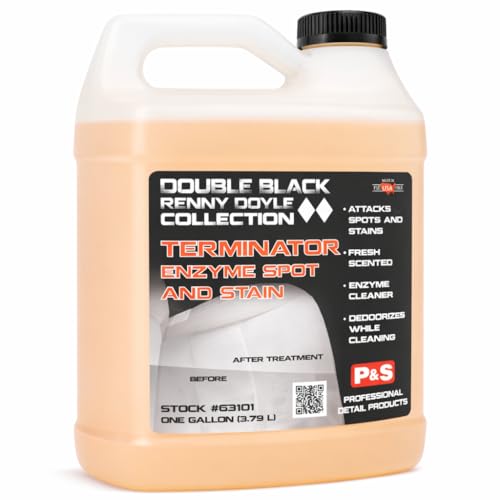
P & S Terminator Enzyme Spot Remover 1 Gallon

Adam’s Polishes Carpet & Upholstery Cleaner Gallon

3D GLW Series Carpet & Upholstery Cleaner 16 oz
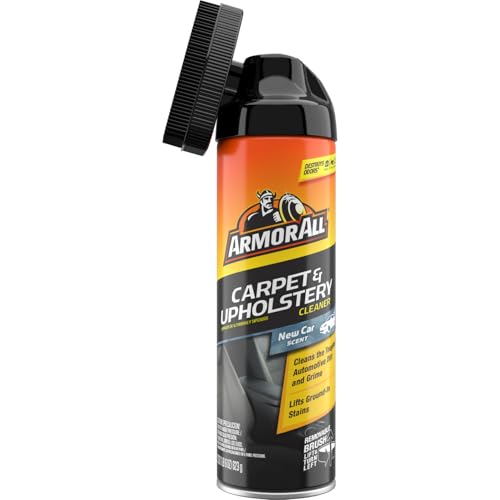
Armor All Carpet & Upholstery Cleaner 22 oz

Campanelli Pro Series Carpet Stain Remover 3-Pack
A Deeper Look At The Lineup
The Carpet Bomber earns its name by tackling the kind of grease, grime, and road film that builds up after years of daily driving. Built around a citrus-based solvent blend, this gallon jug is meant for detailers and serious hobbyists who want one jug that covers seats, floor mats, carpet, and even engine bay surfaces.
The highly dilutable formula is what sets it apart from ready-to-use sprays. You can mix it light for routine wipe-downs or stronger for spot work on stubborn stains, which makes a single jug stretch across multiple full interior restorations. For anyone restoring a project car or maintaining a work truck, that flexibility matters.
Why It Works Well
- Highly dilutable ratio stretches one gallon into multiple cleaning sessions
- Citrus solvent cuts through grease and oil that water-based sprays leave behind
- Safe on fabric, vinyl, and even engine bay components, reducing the number of products you need on the shelf
- Penetrates deep into carpet fibers to lift ground-in dirt rather than smearing it around
Things To Weigh
- Concentrate format means you need spray bottles, measuring, and a bit of know-how before the first use
- Citrus scent lingers longer than lighter fresheners, which may bother sensitive noses
- Over-diluting weakens stain-fighting power, so first-timers may underperform on tough spots
Quick Facts
Right Fit For
Detailers and hobbyists maintaining multiple vehicles who want a concentrate to mix in custom strengths for different jobs.
Look Elsewhere When
You want a ready-to-use spray for quick cleanups, in which case the Armor All Carpet and Upholstery Cleaner offers simpler grab-and-go convenience.
Where the Carpet Bomber leans on citrus solvents, the Terminator brings enzymes into the fight, breaking down organic messes at the molecular level rather than just dissolving them. Protein-based stains like pet accidents, food spills, and sweat marks are exactly what this gallon jug was built for.
The fresh scent is a thoughtful touch for households dealing with lingering pet odors. You spray, agitate, and blot, and the enzymatic action continues working into the fibers after you walk away. Compared to the Carpet Bomber’s broad-spectrum strength, this one is more of a specialist in stain chemistry.
What Helps Most
- Enzyme action breaks down protein-based stains that other cleaners smear around
- Fresh scent helps neutralize lingering pet and food odors in fabric
- Penetrates deep into upholstery fibers to address stains at the source
- Large gallon size suits homes and shops that handle frequent accidents
Points To Keep In Mind
- Works best with longer dwell times, so quick wipe-and-go attempts may underwhelm
- Enzymes need moisture to stay active, so dried-out carpets may require re-wetting
- Gallon format is bulk-heavy for someone who only needs occasional spot work
Made For
Pet owners and families with kids who deal with frequent organic stains and want a formula that tackles the source rather than masking odors.
Consider Something Else When
You mostly deal with grease or oil-based grime, where the citrus-solvent approach of the P & S Carpet Bomber fits the job better.
Adam’s Polishes built its reputation on detailing enthusiasts who want professional-looking results without leaving the driveway, and this gallon cleaner fits that ethos. The ready-to-use spray formula skips the measuring step entirely, so first-timers can spray, agitate with a brush, and wipe clean without much prep.
It handles seats, headliners, and carpet panels across most vehicle interiors, which makes it a versatile option for someone rotating between multiple projects. The gallon size suggests frequent use, so casual owners maintaining a single daily driver may not tap into its full value.
A Few Strong Suits
- Ready-to-use spray means no mixing, measuring, or second bottle to manage
- Brush-agitate method lifts stubborn dirt without harsh scrubbing that can damage fabric
- Works on seats, headliners, carpets, and floor mats across most vehicle interiors
- Trusted detailing brand with strong hobbyist following and community support
Honest Caveats
- Gallon size costs more upfront than ready-to-use sprays, even with similar coverage
- Spray-and-wipe approach requires more elbow grease than foaming aerosols for tough grease
- Not designed for engine bay or exterior trim use, unlike multi-surface concentrates
Feature Snapshot
Best Suited To
DIY detailers who want a trusted brand and a ready-to-use formula without the learning curve of dilutable concentrates.
Reach For A Different Pick When
You want a thicker foam that clings to vertical surfaces like seat backs, where the 3D GLW Series formula has the advantage.
The 3D GLW Series stands out for its hyper-thick foam that clings to vertical panels and seat bolsters rather than dripping straight to the floor. That cling time matters when you’re treating a stained seat back or door panel, because longer contact means deeper penetration without constant reapplication.
The smaller 16 oz bottle is sized for targeted detailing rather than full-interior restoration, which makes it a strong companion product to keep in the garage for quick spot rescues. Where Adam’s gallon suits the project-day cleaner, this one lives in the weekly maintenance kit.
Strengths Worth Knowing
- Hyper-thick foam clings to vertical surfaces, giving the formula time to penetrate stains
- Compact 16 oz bottle stores easily in a door pocket or detailing tote
- Fresh scent leaves the cabin smelling cleaner after treatment
- DIY-friendly detailing workflow matches what hobbyists already practice
Potential Drawbacks
- Small bottle runs out fast during full interior restorations
- Thick foam requires extra wiping to fully remove residue from textured fabric
- Less cost-efficient per ounce than gallon concentrates for heavy users
Whose Shelf It Belongs On
Hobbyist detailers who want a foam-format spot treatment to pair with a gallon concentrate for between-session touch-ups.
A Better Fit Elsewhere
You regularly tackle full-cabin restorations in one sitting, in which case Adam’s Polishes gallon format offers better coverage per dollar.
Armor All built its name on the dashboard wipe, and this 22 oz foaming spray brings that grab-and-go convenience into the upholstery category. The 3-in-1 action claims to clean, lift stains, and neutralize odors in one pass, which makes it a strong fit for fast midweek touch-ups between deeper detail sessions.
The included scrub brush top is the kind of small detail that matters: you can agitate the foam without hunting down a separate brush, which speeds up spot rescues when the kids drop a juice box. The new car scent adds a light fragrance rather than heavy perfume.
A Favorable Mix
- 3-in-1 foam cleans, lifts stains, and freshens in one application
- Integrated scrub brush eliminates the need for a separate detailing brush
- Compact 22 oz can fits in a trunk or back seat for emergency spill response
- Fast-acting foam lifts dirt without extended dwell times
Small Caveats
- Aerosol propellant means the can feels lighter than liquid volume suggests
- Light fragrance may not fully mask heavy pet odors in fabric
- Foaming action needs wiping that some all-in-one sprays skip
Perfect Match For
Drivers who want a fast, grab-and-go spray for spill emergencies rather than a heavy-duty concentrate for weekend projects.
Swap It Out When
You’re restoring a neglected interior with years of ground-in grime, where the P & S Carpet Bomber concentrate offers the strength needed.
The Campanelli Pro Series ships as a 3-pack of 18 oz aerosol cans, which sets it apart from single-bottle entries on this list. For households where spills happen in multiple vehicles or multiple rooms, having backup cans on hand means you’re not rationing product after the first big mess.
The point-and-spray aerosol design lets you treat a stain while standing upright, with no bending, rubbing, or scrubbing required. That ergonomic angle matters for anyone with back pain, and it speeds up the time between spill and treatment, which always improves stain removal odds.
The Value In It
- Three cans cover multi-vehicle households or several rooms without reordering
- Point-and-spray design means no bending or scrubbing during application
- Professional formula tackles grease, oil, coffee, wine, and soft drink stains
- Aerosol stream reaches into textured fabric without oversaturating
Worth Bearing In Mind
- Aerosol propellant means each can empties faster than liquid volume suggests
- 3-pack costs more upfront than single-can alternatives
- Spray-and-walk-away approach may need a follow-up wipe for foam residue
Who Should Grab It
Multi-vehicle households or busy parents who want multiple cans staged around the garage so a spill never waits for a restock order.
Not Your Match When
You prefer a concentrated jug for custom dilution ratios, where the P & S Carpet Bomber delivers more flexibility per ounce.
Choosing The Right Formula For Your Mess
Not all upholstery cleaners pull double duty across grease, protein, and odor work, so matching the formula to the mess saves time and rework. Citrus-solvent concentrates excel at cutting oil and road film that water-based sprays leave behind, while enzyme formulas break down organic matter at the source rather than smearing it.
The format matters just as much as the chemistry. Concentrates like the Carpet Bomber and Terminator demand spray bottles and a bit of measuring know-how before the first use, which suits detailers and hobbyists. Ready-to-use sprays and aerosols trade dilution flexibility for grab-and-go speed that works better for quick spill rescues.
Consider how often you actually detail. A single-vehicle owner who cleans once a season may not stretch a gallon concentrate before it loses potency, while multi-car households or pet owners cycle through product fast. Size your buy to your cleaning rhythm, not just your wallet.
Surface compatibility rounds out the decision. Some formulas cover vinyl, fabric, and engine bay components, which reduces shelf clutter for owners who want one jug that handles multiple jobs. Others focus purely on interior fabric, which keeps the chemistry targeted but means a second product for trim or carpet edges.
Key Considerations Across These Picks
Where Shoppers Go Wrong
Treating all upholstery cleaners as interchangeable is the fastest path to disappointment, because grease stains and protein stains demand different chemistries. Another common miss is skipping dwell time: enzyme and foam formulas need minutes on the fabric to break down stains, and rushing the wipe reduces results dramatically.
What The Higher Tier Buys
Gallon concentrates and pro-series formulas cost more upfront because they deliver stronger active ingredients and flexible dilution. The extra spend pays off for frequent users who stretch the product across multiple sessions, while casual owners often see better value in smaller ready-to-use formats.
Frequently Asked Questions
How often should you clean car upholstery?
Most detailers recommend a full interior cleaning every three to six months, with spot treatment as needed for spills. High-use daily drivers with kids or pets may benefit from monthly wipe-downs to prevent ground-in buildup.
Can upholstery cleaner be used on leather seats?
Most carpet and upholstery formulas are designed for fabric and vinyl, not leather. Leather needs pH-balanced leather cleaners and conditioners to avoid drying out or damaging the surface, so check the label before spraying.
What is the difference between spot cleaner and deep cleaner?
Spot cleaners target small stains with quick dwell times for fast response, while deep cleaners penetrate fibers over longer sessions to lift years of ground-in grime. Many products blur the line, but heavier dilution jobs lean toward deep cleaning.
Are foaming cleaners better than liquid sprays?
Foaming cleaners cling to vertical surfaces like seat backs, giving the formula longer contact time. Liquid sprays spread faster and work better for broad-area wipe-downs, so format matters more than the formula itself.
Do I need a brush to apply upholstery cleaner?
A brush improves agitation and stain lifting, especially on textured fabric. Aerosol point-and-spray products and 3-in-1 foaming sprays reduce the need for separate tools, but stubborn stains still benefit from light brushing.