Between back-to-back pumping sessions, a sink full of soapy water is rarely where you want to be. A reliable wipe lets you clean flange parts, bottles, and pacifiers in seconds, whether you’re parked in the car between meetings or half-awake at 3 a.m. The right option keeps milk residue off your gear without leaving behind anything you don’t want near your baby, and the wrong one leaves you frustrated or constantly restocking. The picks below cover the dedicated pump wipes, plus the companion gear that pairs naturally with a daily wipe routine.
The Picks In Brief

Motherhood Maternity Breastfeeding Essentials Kit – New Mom Bundle

Motherhood Maternity Disposable Nursing Pads, 60 Count

Dapple Baby Fragrance Free Bottle & Dish Soap, 16.9 fl oz (3 Pack)

Motherhood Maternity Breastmilk Storage Bags, 3 oz, 50 Count

Motherhood Maternity Breast Pump Cleaning Wipes, 30 Count
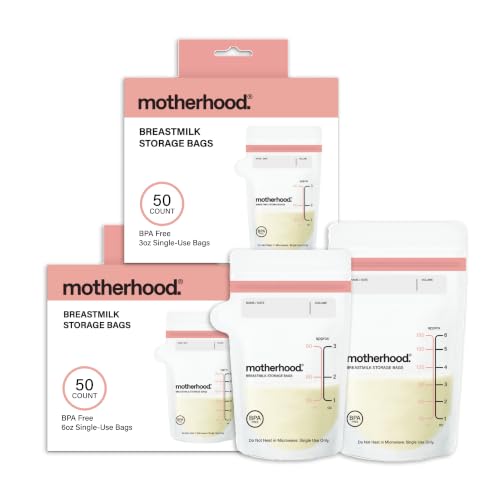
Motherhood Maternity Breastmilk Storage Bags Variety Pack, 100 Count

Motherhood Maternity Hydrogel Nipple Pads for Breastfeeding, 8 Count
More On The Choices That Made The List
If you’re still in the third trimester and staring down a packing list that feels a mile long, a bundle like this takes one entire category off your plate. The Motherhood Maternity Breastfeeding Essentials Kit pulls together the everyday support items most new parents end up buying anyway, so you can check “postpartum care” off the list in a single order rather than five separate ones.
Where this set shines is the variety of what’s included without you having to play matchmaker between brands. New parents juggling learning curves around latching, pumping, and leaking benefit from having nipple therapy, leak pads, and washable backups in one box.
The Value In It
- Multiple categories of postpartum support arrive in a single unboxing, which simplifies a hectic first week
- The mix of disposable and washable pads covers both hospital and home use
- Hot and cold therapy packs address the engorgement phase that often catches new moms off guard
- Hydrogel nipple pads give immediate comfort while you wait for latching technique to click
Worth Noting
- Bulk kits tend to run through their disposables quickly, so you’ll likely reorder pads within the first month
- Not a deep replacement for the dedicated cleaning wipes below if your routine centers on pump parts
Feature Snapshot
Who It Suits Best
First-time parents who want a ready-to-go postpartum bundle without sourcing each item individually before delivery day.
A Better Fit Elsewhere
Exclusive pumpers who clean parts multiple times daily may want to pair this kit with the Motherhood Maternity Breast Pump Cleaning Wipes for a more thorough routine.
Once milk supply regulates, leaking between feeds becomes a daily reality, especially during letdown at the most inconvenient moments. These individually wrapped pads slip into a diaper bag or work tote without adding bulk, which matters when your hands are already full of pump parts and bottles.
The fast-absorbing core is what makes the difference between a pad you forget you’re wearing and one you’re adjusting every twenty minutes. Parents returning to work while still pumping tend to need this kind of “set it and forget it” reliability.
Where It Helps
- Individually wrapped design keeps each pad clean until you actually need it, which helps in shared diaper bags
- The fast-absorbing core locks moisture quickly so clothes stay dry through long meetings or errands
- Discrete profile fits under most nursing bras without showing lines
- Soft texture feels gentle on tissue that’s still adjusting during the early weeks
Points To Keep In Mind
- Sixty count lasts roughly a month for average use, so frequent changers will reorder often
- Disposable pads generate ongoing waste compared to the washable option included in the kit above
Right Fit For
Working moms who pump on a schedule and want grab-and-go leak protection that doesn’t require a laundry routine.
Consider Something Else When
Parents committed to a low-waste routine may prefer pairing the Motherhood Maternity Breastfeeding Essentials Kit instead, which includes reusable pads alongside disposables.
Wipes handle the midday clean, but every pump routine still needs a sink-side soap to fully remove the fat and protein that builds up in bottles and flange tunnels. The Dapple Baby Bottle & Dish Soap is formulated specifically for that residue, which is thicker and harder to cut than standard dish soap is designed for.
The fragrance-free formula matters more than it sounds. Scented soaps can linger on bottle surfaces and affect how milk tastes to a baby who is sensitive to changes. Parents who already use wipes for between-session cleaning often add this kind of soap as their nightly deep clean.
Points In Its Favor
- Targets milk fat, protein, and carbohydrate residue that regular dish soap leaves behind
- Fragrance-free formula reduces the chance of taste transfer into stored milk
- Rinses clean without leaving a soapy film on bottle interiors
- The three-pack stretches supply across several months of daily washing
Trade Offs
- Bottle soap is a sink-based clean, so it doesn’t replace on-the-go wipes when you’re away from home
- Larger format requires storage space near where you actually wash gear
Made For
Parents who want a dedicated milk-residue soap for nightly deep cleans alongside their daily wipe routine.
Skip It When
Exclusively formula-feeding households, or anyone whose cleaning routine centers on quick wipes between sessions, may find the Motherhood Maternity Breast Pump Cleaning Wipes a more direct fit on their own.
Early pumping sessions rarely produce six ounces at a time. Newborn feeds are small, so freezing milk in larger bags leads to waste when baby only finishes half. The 3 oz size of these Motherhood Maternity bags lines up with that reality, letting you store realistic portions without thawing more than you’ll use.
The pre-sterilized lining means you can pump directly into the bag when your routine is rushed, and the self-standing base keeps them upright on the counter while you finish transferring. Parents building a freezer stash in those first weeks usually find this format easier to organize than larger bags.
Notable Gains
- 3 oz size matches typical newborn feeding volumes, reducing thawed-milk waste
- Pre-sterilized bags save a step when you’re moving milk straight from flange to freezer
- Self-standing base frees up both hands during transfer
- Write-on label area helps track date and volume for rotation
Honest Caveats
- Smaller bags fill up quickly once supply increases, requiring either more bags or a larger size
- Bags require flat freezer space, which can be tight in shared refrigerators
Quick Facts
Best Suited To
Parents in the first three months who pump modest amounts and want portions that match newborn feeds without leftovers.
Reach For A Different Pick When
Once supply climbs past roughly four ounces per session, the Motherhood Maternity Breastmilk Storage Bags Variety Pack gives you both sizes without buying two separate cases.
This is the only item in the list built specifically for pump parts, which makes it the practical anchor of any portable routine. The Motherhood Maternity Breast Pump Cleaning Wipes are designed for quick, no-rinse cleaning of flange tunnels, valves, and bottles when there’s no sink in sight, like the back seat of a car or a workplace lactation room with limited counter space.
The fragrance-free formula matters for breastmilk surfaces, since scents can transfer to milk and affect how baby takes a bottle. For most parents who pump multiple times during a workday, this kind of travel-friendly wipe replaces the morning scramble to find a private sink between meetings.
What Stands Out
- No-rinse formula means you can wipe down parts and reassemble the pump in under a minute
- Fragrance-free design protects milk taste and is gentle on sensitive skin
- Travel-friendly pack fits into most pump bags without a separate pouch
- Versatile enough for bottles, pacifiers, and high chair trays on the same outing
Potential Drawbacks
- Thirty wipes per pack means heavy users will reorder frequently or buy multi-packs
- Wipes don’t replace a daily soap wash, so plan to pair them with the Dapple Baby Bottle & Dish Soap at day’s end
Feature Card
Who Should Grab It
Working and traveling parents who pump multiple times daily and need a quick, no-rinse way to clean parts between sessions.
Where Another Pick Suits Better
Stay-at-home parents who pump at the kitchen sink may not need the travel format and could focus on the Dapple Baby Bottle & Dish Soap as their main cleaning supply.
Your pumping output rarely stays the same from week to week, especially in the first three months when supply ramps up. The Motherhood Maternity Variety Pack gives you 3 oz and 6 oz bags side by side, so you can portion today’s smaller output into small bags and next month’s fuller sessions into larger ones without buying two separate cases.
That flexibility removes one of the most common frustrations of freezer-stash building: running out of the size you actually need mid-pump. Parents in that middle stretch between newborn and older infant feeds tend to rely on this kind of mixed pack.
Good Reasons To Consider
- Two sizes in one case lets you match each session to a bag without leftovers
- Pre-sterilized interior means safe direct transfer from pump to bag
- Measurement markings help you log volume before sealing
- Leak-proof seal is widely reported to hold through freezer and thaw cycles
Less Ideal Details
- One hundred bags take up freezer space, so a dedicated shelf or drawer helps
- If your supply skews heavily to one size, you may end up overstocked on the other
Perfect Match For
Parents whose pumping volumes vary day to day, or who want one purchase to bridge newborn and older baby stages.
Look Elsewhere When
Exclusively small-session pumpers in the earliest weeks may not need the 6 oz bags yet and could start with the Motherhood Maternity Breastmilk Storage Bags 3 oz 50 Count.
Cleaning gear is only one half of the breastfeeding picture, because nipples themselves often need attention in the early weeks. The Motherhood Maternity Hydrogel Pads give a cooling, moist barrier that sits between tender skin and clothing, which reduces friction while cracked tissue heals between sessions.
Parents who develop soreness during the first latch-learning phase find these pads make the gap between feeds less uncomfortable, especially overnight when there’s no time for elaborate skincare routines.
Standout Benefits
- Cooling sensation eases soreness quickly after a tough feed
- Individually wrapped pads stay hygienic in a shared fridge or cooler
- Medical-grade hydrogel creates a moist barrier that supports healing
- Protective cushion reduces friction from bras and shirts during recovery
Where It May Fall Short
- Eight pads only covers a handful of healing days, so this is a short-term comfort buy rather than a long supply
- Not a substitute for latching support or guidance from a lactation consultant if pain persists
Whose Shelf It Belongs On
Parents in the first two to three weeks postpartum who are working through early latch soreness and want between-feed relief.
Swap It Out When
Moms whose discomfort is mostly from leaking rather than tissue recovery will get more mileage from the Motherhood Maternity Disposable Nursing Pads above.
Factors That Matter When Choosing Breast Pump Cleaning Wipes
Cleaning Power And Residue Safety
A wipe that doesn’t fully break down milk film is just spreading it around. Look for formulas specifically labeled for breast pump parts, since regular household wipes can leave surfactants behind that you don’t want near milk or bottle surfaces. Fragrance-free options help preserve the natural taste of breastmilk, which matters for babies who reject bottles because the milk smells off.
The no-rinse claim is worth checking, since some wipes leave a film that requires a follow-up water rinse anyway. A genuine no-rinse formula lets you wipe down parts, reassemble, and resume pumping without an extra step, which is the whole point during a workday session.
Format And Portability
Pump bags vary wildly in size, so a soft-pack wipe that flattens into a side pocket is friendlier than a hard tub that eats space. Resealable lids keep wipes from drying out between sessions, which matters because dried-out wipes are useless wipes.
Travel-sized packs earn their place when you commute, fly, or pump in a car. At home, a larger pack on the counter makes more sense, since you’ll go through wipes faster during those first months of frequent pumping.
Pairing With Your Full Routine
No single wipe replaces the rest of your cleaning system. The smart approach is to layer quick wipes between sessions with a deeper soap wash at day’s end, plus proper sanitizing once daily for parts under three months old. Parents who skip the daily soap often notice milk film building up in flange tunnels, which affects suction and milk flow over time.
Storage matters just as much. If you’re freezing milk in 3 oz or 6 oz bags, your wipe stash should live somewhere accessible right next to the pump station. Fumbling around for a wipe while a hungry baby waits is its own kind of stress.
Matching Your Pumping Schedule
Parents who pump once a day at home have very different wipe needs than those pumping three times at work. Frequency drives how many wipes you go through, and how much you value bulk pack savings versus single-use portability.
Key Considerations Across These Picks
Wrong Turns To Avoid
The most common mistake is assuming any baby wipe works for pump parts. Household wipes and diaper wipes often contain fragrances, lotions, or moisturizers that leave residue on surfaces that touch breastmilk, and that residue can affect milk taste or cause irritation. Stick with wipes specifically formulated for feeding equipment.
Another slip up is skipping the daily soap wash because wipes feel “good enough.” Wipes handle between-session cleanup, but milk fat builds up in flange tunnels and valves over time, and only warm water with a proper bottle soap removes it. Think of wipes as the daytime quick clean and soap as the nightly reset.
The Upgrade Payoff
Spending a little more on a fragrance-free, no-rinse wipe format pays off in three places: faster cleanup between sessions, no taste transfer to stored milk, and gentler contact on parts you’re handling dozens of times a week. The Motherhood Maternity Breast Pump Cleaning Wipes hit that balance at a price that doesn’t blow up a feeding budget.
Multi-pack formats usually cost less per wipe than single packs, and they prevent the midweek panic of running out. If you pump away from home regularly, the difference between one pack and a three-pack is the difference between peace of mind and a frantic reorder.
Frequently Asked Questions
How Often Should You Wipe Pump Parts Between Sessions?
A quick wipe-down after each pumping session keeps milk film from drying onto flange surfaces. The deeper soap wash happens once at the end of the day, and a full sanitize (boiling or steam bag) runs once daily for parts used with infants under three months or for babies with immune concerns. Pairing the Motherhood Maternity Breast Pump Cleaning Wipes for between-session use with the Dapple Baby Bottle & Dish Soap for nightly washing covers the full cycle.
Are No-Rinse Wipes Safe On Surfaces That Touch Breastmilk?
Wipes labeled specifically for pump parts and feeding equipment are formulated to leave minimal film behind, which is what makes no-rinse use safe. General household or baby wipes can leave surfactants or fragrances that transfer into milk, so the dedicated pump-cleaning format is the safer choice.
How Many Wipes Do You Go Through Per Day?
A typical pump session uses one to two wipes to clean flange tunnels, valves, and bottle surfaces. Parents pumping three times a day at work go through roughly three to six wipes daily, which means a 30-count pack lasts about a week. Multi-packs bring real savings once you’ve confirmed the formula works for your routine.
Can You Use These Wipes On Bottles And Pacifiers Too?
Yes, the dedicated pump wipes listed here are designed for any surface that contacts breastmilk, including bottles, nipples, pacifiers, and even high chair trays. That versatility is what makes them useful beyond just the pump station, especially during outings where one wipe covers multiple baby surfaces.
Do You Still Need To Sanitize If You Wipe Between Sessions?
Wiping handles visible residue between sessions but doesn’t replace full sanitizing. A daily sanitize using boiling water, a steam bag, or a dishwasher sanitize cycle is still recommended, especially for the first three months or for babies with immune concerns. Wipes and sanitizing serve different jobs and work best together.
Closing Thoughts
The right pump cleaning setup looks different for everyone, but the principle stays the same: quick wipes between sessions, a soap wash at day’s end, and storage that matches your pumping output. Start with the Motherhood Maternity Breast Pump Cleaning Wipes if you’re often away from a kitchen sink, and build out from there as your routine settles in. The gear above is designed to make those small daily tasks easier, so you can spend more energy on the baby and less on the cleanup.