Slatted blinds collect dust the way paperclips collect in a junk drawer, one layer at a time until the whole surface looks tired. The right tool changes that equation fast: a lambswool head grabs onto particles, a microfiber glove lets you feel each slat, and a bendable brush slips into corners a rag never reaches. This roundup looks at practical picks for everyday homes, from tall windows to ceiling fans, with honest trade-offs for each.
The Main Contenders
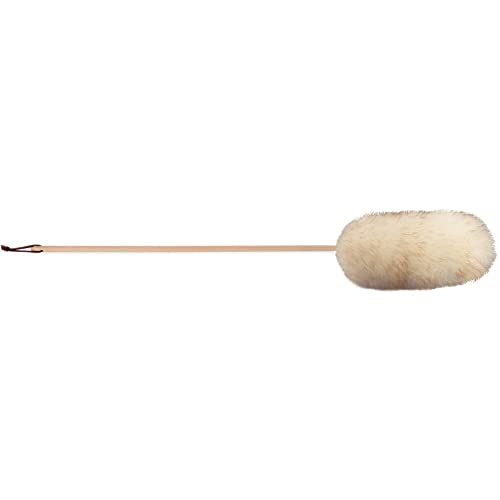
Wool Shop Lambswool Duster 36″

Norpro 24-Inch Pure Lambs Wool Duster

GRNVDWN Lambswool Duster 18.9″ with Hang Strap

E-Cloth High Performance Dusting Glove

Heonay Ceiling Fan Cleaner with Extension Pole (Blue)

LESO Blok Bendable Microfiber Duster (Mix, 2-Pack)

LESO Blok Bendable Microfiber Duster (Gray, 1-Pack)

LESO Blok Bendable Microfiber Duster (Blue, 1-Pack)
Why These Options Stand Out
A 36-inch handle puts this lambswool duster into the tall-window league, the kind you keep on a hook near the back door for quick cobweb patrol. The natural wool head carries static charge that draws dust off slatted blinds without smearing it, and the hardwood body gives you control you don’t get with telescoping poles. Shake it outside afterward and roll the handle between your palms to fluff the wool back into shape.
Compared to the shorter lambswool options later in this list, this one trades compactness for reach, which matters in rooms with vaulted ceilings or tall picture windows above furniture. For most apartments with blinds at normal height, the extra length feels like overkill.
Strengths Worth Knowing
- 36-inch hardwood handle reaches blinds above tall furniture without dragging a chair across the room.
- Lambswool head attracts dust statically rather than pushing it around, which keeps slats from looking streaked.
- Leather hanging thong lets you store it on a single hook, handy in small closets and pantries.
- Maintenance is simple: shake outdoors, roll the handle to fluff, no water or spray required.
Worth Noting
- Full 36-inch length can feel unwieldy on standard-height windows where a shorter duster moves faster.
- Lambswool needs replacement every few years as fibers mat down, especially in homes with pets.
Feature Snapshot
Built With In Mind
Homeowners with tall windows, vaulted ceilings, or two-story foyers who need reach more than compactness.
Reach For A Different Pick When
The Norpro 24-Inch Pure Lambs Wool Duster suits smaller hands and standard windows where a shorter handle actually moves faster.
Norpro’s 24-inch duster sits in the sweet spot for most blinds: long enough to span two slats at once, short enough that you can sweep a full window in under a minute. The lambswool head runs about 12 inches when fluffed, so it covers a wide arc per pass, and the soft texture won’t scratch painted trim or wood valances. A leather hang loop on the handle tip keeps it visible on a peg rail.
Where the Wool Shop 36-inch above wins on raw reach, this one wins on control. Daily-use households usually end up reaching for the shorter handle first.
What Pays Off
- 12-by-7-inch lambswool head covers a wide sweep per pass, cutting dusting sessions down noticeably.
- Natural lanolin in the wool grabs dust statically, which means fewer follow-up wipes with a damp cloth.
- One-piece wooden handle stays rigid without the flex you get from telescoping poles.
- Soft fibers clean Venetian blinds without catching on tilt mechanisms or scratching painted slats.
Trade Offs
- Wool head eventually compresses with heavy use, and replacements aren’t sold separately for this model.
- 24-inch length still requires reaching for the very top of a tall window, which some users find awkward.
Best Suited To
Anyone with standard-height blinds who wants a natural-fiber duster that doubles as a quick cobweb tool.
A Better Fit Elsewhere
The Heonay Ceiling Fan Cleaner with Extension Pole suits homeowners with very high ceilings where a fixed 24-inch handle simply cannot reach.
An 18.9-inch body keeps this lambswool duster compact enough to toss in a cleaning caddy or hang from a hook inside a cabinet door. The natural wool still pulls dust through static, and the soft texture handles computer screens, bookshelf tops, and ceiling-fan blades without scattering debris. A leather hang strap means it stays off the wet counter next to the sink.
Versus the Norpro right before it, this trades working length for portability. For a quick Saturday tidy across multiple rooms, that swap makes sense.
A Favorable Mix
- Sub-19-inch size slips into a cleaning caddy or drawer, perfect for apartments with limited storage.
- Lambswool fibers contain natural lanolin that holds dust electrostatically instead of pushing it sideways.
- Rinse-and-twist maintenance means you don’t need sprays, and a quick outdoor shake refreshes the head.
- Soft tip won’t leave swirl marks on matte monitor screens or wood speaker cabinets.
Points To Keep In Mind
- Short handle limits reach, so tall windows still need a step stool or a longer duster.
- Wool fibers can mat if stored damp, so air-drying after rinsing is non-negotiable.
Quick Facts
Who Should Grab It
Studio dwellers, dorm rooms, and anyone who wants a grab-and-go duster for shelves, fans, and small blinds.
Look Elsewhere When
The Wool Shop Lambswool Duster 36″ fits better in spaces where you need serious reach rather than portable size.
The E-Cloth glove changes the geometry of dusting. Instead of holding a stick and reaching, you run your hand along each slat and feel the dust lift away. The microfiber pulls in pollen, pet hair, and lint through static charge, and the mitten shape makes tight corners around blind hardware and picture-frame edges feel effortless. One glove does the job of a duster and a cloth in most rooms.
Compared to the lambswool tools above, this trades elegance for control. People who like tactile feedback often prefer the glove, while those who want a longer reach still want a stick duster.
Advantages To Know
- Hand-fit shape lets you wrap each slat individually, which lifts dust that a straight duster might miss.
- Microfiber construction traps dust, hair, and pollen in the fibers instead of sending them airborne.
- Reusable design means rinse, dry, and reuse, which reduces disposable wipe waste over time.
- Fingers reach into blind rails, picture-frame grooves, and furniture legs where rigid tools can’t fit.
Some Limits To Know
- Short arm reach means tall windows still need a step stool, since the glove adds no extra length.
- Microfiber loses some static charge after many washes, so plan to replace it yearly in busy homes.
Made For
Detail-oriented cleaners who like feeling each surface and who own blinds with lots of small grooves or rails.
Swap It Out When
The LESO Blok Bendable Microfiber Duster suits anyone who needs a longer tool that still slips into narrow blind slats.
Heonay’s tool telescopes from 13 inches to nearly 50, which means ceiling fans, tall valances, and the tops of bookshelves all become routine rather than risky ladder work. The microfiber head slips over each fan blade and traps dust in its fibers, so debris falls onto the duster rather than onto the floor below. It also doubles as a wall-and-window duster once you retract the pole.
Where the lambswool options above lean traditional, this one leans functional. Renters who can’t drill holes for wall hooks often like how a single tool replaces a stepladder entirely.
The Value In It
- Extends from roughly 13 inches to nearly 50, so ladder-free fan cleaning becomes realistic.
- Reusable microfiber head rinses clean and dries fast, no replacement cartridges needed.
- Slip-over blade design traps dust inside the head instead of pushing it sideways onto furniture.
- Lightweight build reduces arm fatigue during longer cleaning sessions on multi-fan homes.
Where It May Fall Short
- Extension mechanism adds flex at full length, which can make precise blade alignment slightly tricky.
- Microfiber head shape works best on flat blades and may not hug curved fan edges as cleanly.
Feature Rundown
Perfect Match For
Homeowners with tall ceilings, ceiling fans, and vaulted spaces where a step stool feels risky.
Not Your Match When
The E-Cloth High Performance Dusting Glove is a better pick for tactile, hand-on cleaning around small hardware and tight rails.
The bendable head on this microfiber duster is the part that earns its keep. You flex it into the gap between tower-fan grilles, then run it along each slat without taking the appliance apart. The 2-pack mix gives you one tool for fans and another for blinds, so cross-contamination between kitchen grease and living-room dust stays out of the picture. The microfiber rinses clean under a faucet and dries ready for next time.
Versus the Heonay above, this duster trades long reach for flexibility. Tower-fan owners especially tend to reach for it first.
Notable Upsides
- Flexible head bends to match curved tower-fan grilles, which rigid dusters cannot do well.
- Soft microfiber lifts dust instead of pushing it, so blinds stay cleaner between passes.
- Rinse-and-reuse cycle beats disposable wipes over a year of regular cleaning.
- Two-pack format lets you assign one duster per room, helpful in homes with pets or cooking residue.
Worth Noting
- Slim profile means fewer fibers per pass, so large flat surfaces take longer than with a lambswool duster.
- Two-pack costs more up front than single microfiber cloths, which can feel steep for casual users.
Right Fit For
Apartment dwellers with tower fans, AC vents, and narrow blind slats where a flexible tip makes the difference.
Another Choice May Suit
The Norpro 24-Inch Pure Lambs Wool Duster is the better match for traditional horizontal blinds in larger rooms where wool coverage counts more than flexibility.
If you don’t need a multi-pack, this single LESO Blok duster delivers the same bendable head in a solo format. The gray color hides light buildup between rinses, which is a small but real perk in homes where dust shows on white microfiber. It still slips into fan grilles, vent slats, and blind rails without dismantling anything.
Compared to the 2-pack option above, this one simply skips the spare. Solo users or those who already own a microfiber duster tend to choose this version.
What Helps Most
- Bendable tip reaches between fan grilles and vent slats that rigid tools can’t access.
- Microfiber material traps dust, hair, and cobwebs rather than flicking them elsewhere.
- Single-pack price point suits casual cleaners who don’t want to stock multiple tools.
- Reusable design rinses under a faucet and air-dries quickly for the next round.
Things To Consider
- Single duster means you’ll want to launder it regularly in homes with pets or cooking smoke.
- Soft microfiber wears down faster than lambswool under heavy weekly use.
Who It Suits Best
Renters, dorm rooms, and small households who want one flexible tool for fans, vents, and slatted blinds.
Consider Something Else When
The LESO Blok Bendable Microfiber Duster (Mix, 2-Pack) makes more sense in busy households where separate dusters per room reduce cross-contamination.
The blue version of this LESO Blok duster works the same way as the gray option, with the same bendable head and soft microfiber wrap. The color matters more than it sounds: bright blue hides nothing, so you can see exactly when it needs a rinse. In homes with kids or allergy sufferers, that visual cue often translates to cleaner air and cleaner blinds over the year.
Versus the gray 1-pack just above, this one trades a forgiving color for a high-visibility one. People who want to see buildup rather than hide it tend to pick blue.
Everyday Perks
- Bright blue color shows dust and lint clearly, so you know exactly when to launder.
- Bendable microfiber head slips into fan grilles, vent slats, and blind rails with no disassembly.
- Rinse-and-reuse cycle keeps recurring costs near zero after the initial purchase.
- Compact size stores in a drawer or hangs on a small hook inside a cleaning closet.
Points To Note
- Visible color means you’ll notice buildup sooner, which some see as a benefit and others as extra laundry.
- Single head wears out faster than wool, so plan on replacing yearly in heavy-use homes.
Feature Overview
Whose Shelf It Belongs On
Allergy-prone households, parents who want visible cleanliness cues, and small-space dwellers who rotate one tool across rooms.
Skip It When
The GRNVDWN Lambswool Duster 18.9″ works better for those who prefer a natural-fiber duster that doesn’t need laundering between uses.
What To Weigh Before Choosing Blind Cleaning Tools
Match The Tool To Your Blind Type
Horizontal slats, vertical louvers, and pleated shades each respond to different head shapes. Lambswool duster heads work well on horizontal slats where static attraction pulls dust along each surface. Microfiber gloves and bendable heads reach into vertical louvers and pleated folds where rigid fibers tend to skip across the fabric.
Think About Reach And Storage Together
A 36-inch stick is satisfying on tall windows but awkward in a small cleaning closet. Telescoping poles collapse for storage but flex at full length. Lambswool wands with leather hang loops store on a single hook. Before you choose, picture where the tool lives between uses; a duster that ends up in a hallway corner rarely gets used.
Decide Between Natural Fiber And Microfiber
Natural lambswool contains lanolin, a waxy substance that helps the fibers attract dust through static charge. Microfiber lifts dust through dense fiber structure and washes clean under a faucet. Wool feels softer on matte screens, while microfiber rinses faster in homes with pets.
Plan For Maintenance Up Front
Every duster here needs some care. Wool tools need shaking and rolling to fluff. Microfiber versions need rinsing and air-drying to keep their static charge. Glove-style tools need laundering regularly. A quick mental commitment to that routine is what separates a dust-collecting tool from one you actually use weekly.
Key Considerations Across These Picks
Pitfalls Shoppers Hit
The most common mistake is choosing a duster based on looks or color rather than on reach and head shape. A short lambswool stick feels great in the store but leaves you reaching for a chair every time you tackle a tall window. Another trap is buying a telescoping pole for its collapsed length, then discovering the flex at full extension makes blade alignment fiddly. Measure your tallest window or fan before you commit.
Where The Extra Money Goes
Higher-tier dusters in this category tend to use denser lambswool with stronger natural lanolin content, or thicker microfiber with finer denier (the fiber-thickness rating, where lower numbers feel softer). Telescoping mechanisms add cost through locking hardware and rigid internal shafts. Pay more when your space demands reach or when you want one tool that handles fans, blinds, and shelves equally well.
Frequently Asked Questions
How Often Should You Dust Blinds?
For most homes, a quick pass every two weeks keeps buildup manageable, while monthly deep cleans with a damp cloth handle the rest. High-traffic rooms with pets may need weekly attention.
Can You Wash Lambswool Dusters?
Yes, rinse them gently in cool water with mild soap, then air-dry fully before storing. Avoid hot water, which strips the natural lanolin that helps the wool attract dust.
Are Microfiber Tools Safe On Electronic Screens?
Soft microfiber works on matte monitor screens, but avoid heavy pressure on glossy displays. A lambswool duster or dedicated screen cloth is gentler for high-gloss surfaces.
Do Extendable Poles Flex At Full Length?
Most telescoping designs add some flex at maximum extension. Locking collars help, though you may still notice slight wobble on textured ceiling fans.
What Works Best For Allergy Sufferers?
Microfiber tools trap dust rather than sending it airborne, which suits allergy-prone homes. Damp-wiping slats after dry dusting also helps reduce airborne particles.
The Takeaway
Picking the right blind cleaning tool comes down to matching head shape and reach to the rooms you actually live in. Lambswool sticks fit traditional slats, microfiber gloves add tactile control, and bendable heads reach into fan grilles and narrow vents. Start with the surface that frustrates you most, then build from there.