Soap scum builds up quietly on tile, glass, and fixtures, then suddenly your shower looks like it belongs in a science lab. The right cleaner turns that weekly chore into a quick wipe-down, and you stop dreading Saturdays. This shortlist covers eight solid options, from foaming sprays that cling to vertical walls to drain-side helpers that keep the gunk from forming in the first place.
How The Shortlist Stacks Up
Multi-purpose Pipe Cleaner for Bathroom Pipes (1 Pcs)
Multi-purpose Pipe Cleaner for Bathroom Pipes (2 Pcs)
Multi-purpose Pipe Cleaner for Bathroom Pipes (3 Pcs)

Clorox Disinfecting Bathroom Foamer with Bleach, 30 oz

CLOROX Bathroom Disinfecting Cleaner, Original, 30 oz

method Daily Shower Cleaner Refill, Eucalyptus Mint, 68 oz
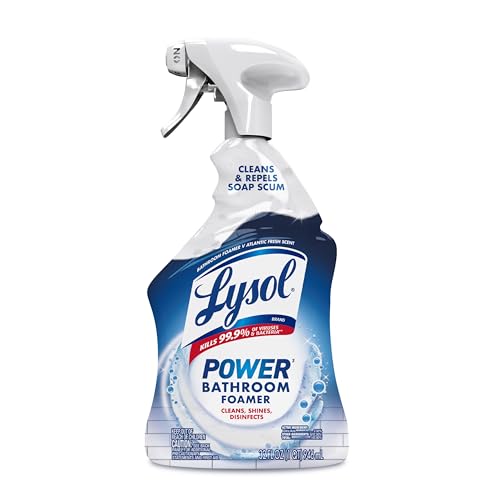
Lysol Power Foaming Bathroom Cleaner, 32 oz

Scrubbing Bubbles Easy Clean Quick Eraser, 4-Count
A Breakdown Of The Leading Choices
Foam-based drain helpers like this one work quietly behind the scenes, dissolving the hair-and-scum mix that builds up where soap and skin cells meet. The single-pack format makes it easy to see how your pipes respond before committing to a larger supply.
You pour the foam down the affected drain, give it roughly an hour, then flush with water. It plays nicely with PVC, metal, and plastic lines, which covers most home plumbing you will encounter. For renters dealing with slow shower drains, that compatibility list removes a lot of worry.
Bright Spots
- Works across kitchen sinks, bathroom basins, showers, toilets, and curved sewer lines, so one product covers the whole home.
- Safe for PVC, metal, and plastic pipes, reducing the risk of damage during routine use.
- Single-pack size suits first-timers who want a low-commitment trial before stocking up.
- The foam format clings inside the pipe, reaching bends a flat pour might miss.
Trade Offs
- Requires a one-hour wait per treatment, so it is not the answer for emergency backups.
- Single-pack runs out quickly in multi-bath homes, which is where the larger packs save effort.
- Storage should be upright in a cool spot, since foam products can lose pressure in warm cabinets.
Who It Suits Best
First-time users with a single slow drain who want to test a foam approach without committing to a larger supply.
Look Elsewhere When
Multi-bath households will find better long-term value in the three-pack Multi-purpose Pipe Cleaner for Bathroom Pipes (3 Pcs), which covers more fixtures over a longer stretch.
The two-pack steps in where the single unit leaves off, giving small households enough product to rotate between drains without running out mid-month. Foam-based formulas target the same root cause: a sticky mix of soap residue, hair, and skin oils that narrows the pipe over time.
Two bottles also let you keep one in the kitchen and one upstairs, so you are not hauling cleaning supplies up and down stairs each time. Compared to the single-pack, you cover roughly double the fixtures before restocking.
The Good Stuff
- Twin-pack sizing balances trial-run cost with enough volume for ongoing monthly maintenance.
- Versatile across sinks, showers, basins, and toilets, which keeps your cleaning caddy smaller.
- Pipe-material compatibility matches the single-pack, so you get the same safe-use profile.
- Useful for splitting between two bathrooms or keeping a backup ready.
Small Caveats
- Still foam-only, so pour-and-wait timing rules apply.
- May run low for families with three or more bathrooms in heavy rotation.
Made For
Small households with two bathrooms that want a steady, scheduled drain routine without overbuying.
Consider Something Else When
Larger homes juggling three bathrooms will benefit more from the three-pack Multi-purpose Pipe Cleaner for Bathroom Pipes (3 Pcs), which stretches further between restocks.
Three bottles cover a busy home for months, which is why this size appeals to families juggling multiple bathrooms. Soap scum does not just sit on tile; it slides down the drain and accumulates in the trap, where it slows water flow and feeds odors.
You get the same foam formula that targets hair, grease, and soap residue, just in a format that keeps up with weekly maintenance. Compared to the two-pack, this one reduces the chances of running out mid-cycle.
A Favorable Mix
- Three-pack stretches across multiple bathrooms, ideal for families.
- Cuts down on repeat ordering, which simplifies the cleaning calendar.
- Same pipe-safe compatibility with PVC, metal, and plastic as the smaller sizes.
Honest Caveats
- Bigger pack takes up more cabinet space, especially in tight under-sink areas.
- Overkill for single-bath apartments where a one-pack would already last months.
Best Suited To
Multi-bath families who treat drain maintenance as a recurring monthly task rather than an occasional fix.
Swap It Out When
A solo apartment dweller rarely needs this much, and the Multi-purpose Pipe Cleaner for Bathroom Pipes (1 Pcs) makes more sense for occasional use.
Bleach-based foamers earn their reputation on showers that have been ignored for a season or two. The foam clings to vertical tile and glass rather than running straight down, giving the active ingredient time to break down the chalky white residue that ordinary sprays leave behind.
The 30-ounce bottle fits comfortably in a caddy and covers a typical tub surround with a few passes. Compared to the earlier foam drain helpers, this foamer targets surface scum rather than pipe buildup, so the two work as a team.
What Earns Its Place
- Foam coverage sticks to tile and glass, increasing contact time on vertical surfaces.
- Bleach formula tackles soap scum, dirt, and grime in one pass.
- 30-ounce size balances coverage with manageable bottle weight.
- Spray application reaches corners that sponges tend to miss.
Points To Note
- Bleach odor lingers, so ventilation matters during and after use.
- Not suited for natural stone or unsealed grout, which bleach can damage.
- Requires a wipe-down after dwell time to remove residue fully.
Quick Facts
Who Will Love This
Homeowners dealing with stubborn, layered soap scum who want a bleach-strength foam that does the heavy lifting.
Not Your Match When
Bathrooms with natural stone counters or unsealed grout should reach for the bleach-free CLOROX Bathroom Disinfecting Cleaner, Original, 30 oz instead.
This spray-style cleaner takes a different route from the bleach foamer. It skips the bleach base and instead leans on surfactants that dissolve soap scum on contact, which makes it gentler on sealed tile, glazed porcelain, and fixtures with mixed finishes.
For a quick weekly wipe-down on sinks, tubs, and counters, the format feels familiar: spray, wait a beat, then wipe. Compared to the foaming bleach option, this one trades clinging power for surface versatility.
Where It Helps
- Targets soap scum on contact, cutting down scrub time.
- Compatible with most bathroom surfaces, including glazed tile and sealed porcelain.
- Spray bottle ergonomics suit one-handed use during routine wipes.
- Suitable for homes where bleach sensitivity is a concern.
Worth Noting
- Runnier than foam formulas, so it may slide down vertical tile before fully working.
- Requires more elbow grease on heavy, layered buildup than bleach alternatives.
Perfect Match For
General weekly cleaning routines that cover sinks, counters, and tubs without needing bleach strength.
A Better Fit Elsewhere
Bathrooms with thick, neglected buildup call for the foaming Clorox Disinfecting Bathroom Foamer with Bleach, 30 oz, which clings longer to vertical walls.
Daily shower sprays work on a different principle: prevention beats correction. You mist the surfaces after each use, skip the rinse, and the cleaner quietly dissolves soap residue before it can harden into that flaky white coating.
The 68-ounce refill jug is designed to top off a daily spray bottle, which reduces plastic waste over months of use. Eucalyptus mint gives the bathroom a fresh scent that lingers lightly. Compared to the heavier bleach options, this is the calm, consistent cousin.
The Upside
- Rinse-free formula means no post-shower scrubbing step.
- Large refill size reduces packaging turnover for routine users.
- Suitable for most non-porous bathroom surfaces, including glass doors.
- Helps maintain shine between deeper weekly cleans.
- Light, pleasant scent freshens the bathroom during use.
Points To Keep In Mind
- Works best as maintenance; layered, old buildup still needs a stronger cleaner first.
- Requires the habit of spraying after each shower to deliver results.
- Refill jug has no built-in sprayer, so you need a reusable bottle on hand.
Feature Snapshot
Right Fit For
Shower-upkeep enthusiasts who want a low-effort daily habit that prevents scum from forming in the first place.
Another Choice May Suit
For a one-time deep clean before starting a daily routine, the Lysol Power Foaming Bathroom Cleaner, 32 oz delivers stronger surface action.
Lysol’s foamer is built around cling: the foam expands on contact and stays where you spray it, even on the slickest glass door. That dwell time is what lets the formula soften soap scum and limescale without manual scrubbing.
The 32-ounce bottle sits comfortably in shared-family bathrooms where multiple people cycle through the shower daily. Compared to the bleach foamer earlier in this list, this one trades chlorine for a milder scent profile while still tackling everyday buildup.
Everyday Wins
- Clinging foam expands on contact, increasing dwell time on vertical surfaces.
- Tackles soap scum, limescale, and everyday grime in one application.
- 32-ounce bottle suits family-sized cleaning routines.
- Multipurpose formula works on tubs, tiles, sinks, and counters.
- Fresh scent leaves the bathroom smelling clean after use.
Minor Gripes
- Not designed for daily maintenance; works better as a weekly reset.
- Strong fragrance may bother sensitive noses in poorly ventilated spaces.
Quick Facts
Built With In Mind
Shared family bathrooms where multiple showers a day mean soap film builds faster than a single-user household.
Reach For A Different Pick When
Solo dwellers wanting a preventive, no-rinse daily routine will prefer the method Daily Shower Cleaner Refill, Eucalyptus Mint, 68 oz.
Magic-eraser-style sponges work by mechanical action: a foam pad with a micro-abrasive texture that lifts soap film when you rub it across wet surfaces. No spray bottle, no dwell time, no chemical smell. You wet it, wipe, and rinse.
The four-count pack suits a household that keeps one in the bathroom, one in the kitchen, and a couple as backups. Compared to every spray option above, this trades chemistry for elbow grease, which fits people sensitive to fumes.
Where It Excels
- One-step wipe-and-rinse use removes soap scum, toothpaste spots, and surface marks.
- Compatible with showers, tubs, tiles, sinks, faucets, counters, toilets, and glass doors.
- No chemical spray needed, which helps in homes with kids or pets.
- Four-count pack keeps replacements within easy reach.
- Lightweight and travel-friendly for short-term rentals or guest bathrooms.
Less Ideal Details
- Wears down with use, so the four-count disappears faster than a spray bottle would.
- Requires manual scrubbing effort, which is tougher on hands during big jobs.
- Less effective on thick, mineral-heavy buildup that benefits from chemical dwell time.
The Quick Facts
Whose Shelf It Belongs On
Quick-spot-fix households that want a chemical-free option for touch-ups between deeper cleans.
Where A Sibling Pick Shines
For broader coverage that handles full walls of tile without scrubbing, the Lysol Power Foaming Bathroom Cleaner, 32 oz covers more ground per session.
Choosing The Right Bathroom Scum Strategy
Foam Sprays Versus Liquid Sprays
Foaming formulas expand on contact and cling to vertical surfaces, which is what makes them ideal for shower walls and glass doors. Liquid sprays spread quickly and work better on flat counters, sinks, and tubs where runoff is less of a concern. The cleaning chemistry can be similar, but dwell time changes the outcome. For walls and tile, foam usually wins. For flat wipe-downs, spray does the job.
Bleach Versus Bleach-Free Formulas
Bleach-based products cut through tough, yellowed buildup faster, but they bring strong odor and surface limitations. Bleach-free formulas rely on detergents and surfactants, which work more slowly but tolerate sealed tile, glazed porcelain, and color-fast fixtures. Households with kids, pets, or sensitive noses often lean bleach-free for routine cleaning and save bleach for periodic resets.
Daily Maintenance Versus Deep Cleaning
Daily shower sprays are designed to prevent buildup from forming in the first place. They are low-strength and rinse-free, suited to light, frequent use. Deep-clean sprays and foaming bleach products are higher-strength, require dwell time, and tackle months of accumulated residue. Most homes benefit from pairing one of each: a daily for upkeep and a heavy-duty for resets.
Surface Compatibility Matters
Always check whether a product suits your specific finishes. Natural stone, unsealed grout, and certain metals react poorly to acids or bleach. Glazed tile, porcelain, glass, and most synthetic surfaces tolerate a wider range of cleaners. Match the formula to your surfaces, and you avoid permanent dull spots or etching down the road.
Key Considerations Across These Picks
Common Shopping Slip Ups
The biggest mistake is grabbing the strongest cleaner on the shelf without checking surface compatibility. Bleach and acid-based products can etch stone or strip sealants, leaving permanent damage. Another slip is buying a single spray and expecting it to handle every chore, when in reality a daily-prevention spray plus an occasional heavy-duty foam covers the full cycle.
Where The Extra Money Goes
Larger pack sizes cost more upfront but reduce per-use cost and restocking trips. Foaming trigger mechanisms tend to cost slightly more than basic sprayers because of the chambered nozzle design. Premium scents, plant-based formulas, and ergonomic bottles add to the price as well, and they can be worth it for daily-use products where comfort matters.
Frequently Asked Questions
How often should you clean bathroom scum?
A light daily spray after each shower keeps film from forming. A deeper foam or spray clean once a week handles whatever the daily missed. Heavy-use bathrooms may need twice-weekly deeper cleans.
Are bleach-based bathroom cleaners safe for tile?
Bleach works on glazed ceramic and porcelain tile, but it can damage natural stone, unsealed grout, and certain finishes. Always spot-test in a hidden area first or check the manufacturer’s guidance.
Can you use bathroom foam cleaners on glass shower doors?
Yes, foam formulas cling to glass and let the active ingredients soften soap film and water spots. A wipe-down with a microfiber cloth afterward prevents streaks.
Do daily shower sprays actually work?
They work well as prevention, breaking down fresh soap residue before it hardens. They are not designed to remove existing buildup, so a stronger cleaner is needed for an initial reset.
How do you store foam cleaners between uses?
Keep bottles upright in a cool, dry cabinet. Heat and direct sunlight can degrade the formula or cause pressure loss in foam canisters over time.
The Takeaway
Bathroom scum cleaners fall into a few useful buckets: daily prevention sprays, foaming deep cleans, and mechanical erasers. The right mix depends on your surfaces, your household size, and how often you want to scrub. Start with a daily routine, add a foam reset weekly, and your shower stays clear without turning into a weekend project.