A good cleaner and conditioner combo keeps leather seats, door panels, and bolsters from drying out, cracking, and fading under daily sun. The trick is matching the formula to your leather type, how often you drive, and how much elbow grease you want to spend. Here’s a curated shortlist for everyone from quick-touchup types to restoration hobbyists.
The Main Contenders
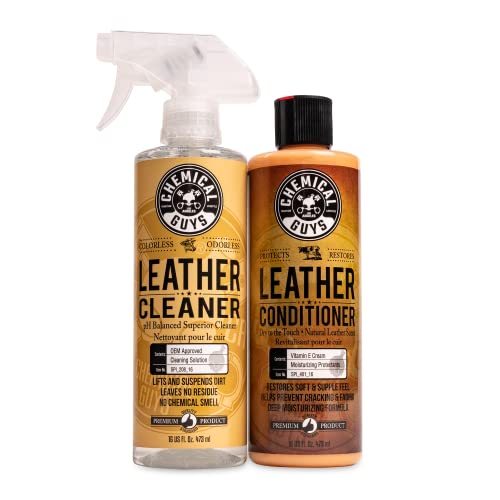
Chemical Guys Leather Cleaner & Conditioner Kit 2 x 16 oz

Fiebing’s Saddle Soap 12 oz Yellow
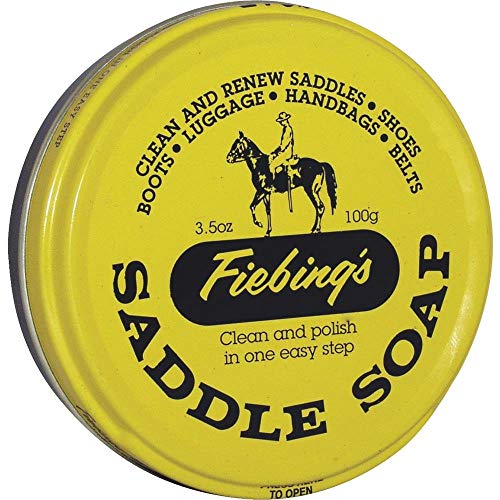
Fiebing’s Yellow Saddle Soap 3.5 oz Tin

Skidmore’s Leather Cream 6 oz All-Natural

Chemical Guys Sprayable Leather Cleaner & Conditioner 16 oz
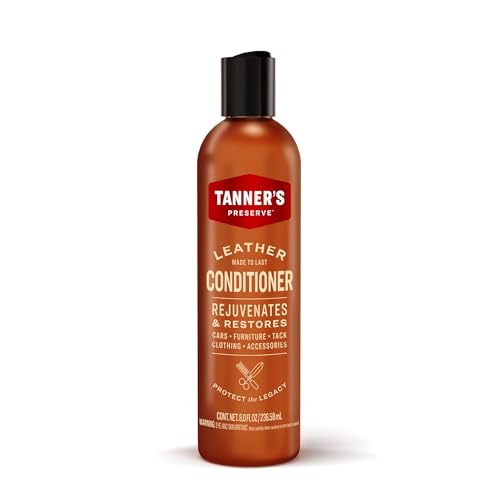
Tanner’s Preserve Leather Conditioner 8 fl oz

Tanner’s Preserve Leather Cleaner & Conditioner Duo 2x 8 fl oz
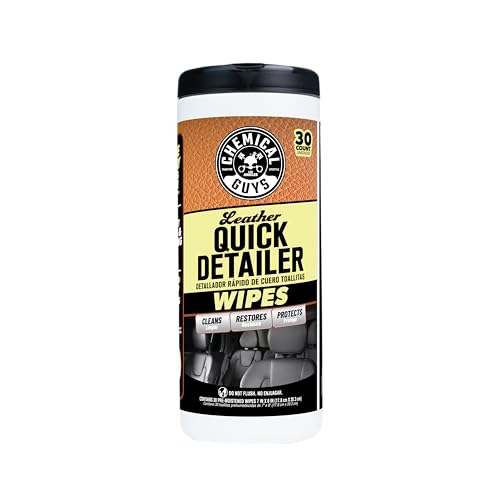
Chemical Guys Leather Quick Detailer Wipes 30 Count
Inside Each Recommended Option
The Chemical Guys duo pairs a dedicated cleaner with a separate conditioner, which mirrors how detailers actually work on a neglected interior. Each bottle holds 16 oz, giving you enough product to handle two front buckets, the rear bench, and the door cards without rationing. The cleaner lifts body oil and grime first, then the conditioner follows up with softening oils. You spray, agitate with a microfiber, buff off, and repeat.
For households juggling car seats and a leather couch, the same two bottles cover both. Owners running a garage-friendly weekend detail benefit from the larger format, and the step-by-step approach forgives beginner technique because each stage is forgiving.
Everyday Advantages
- Separate clean and condition stages mimic professional detailing technique.
- 16 oz bottles give multiple full-interior sessions per kit.
- Works across car interiors, home furniture, and similar leather goods.
- Two-stage process reduces streaks compared with one-step sprays on dirty leather.
- Compatible with most natural and finished automotive leather surfaces.
Things To Consider
- Two-step routine takes longer than a one-step spray on busy weekends.
- Bottle storage stays on your shelf, so plan space for both containers.
Key Product Details
Right Fit For
Detailers and enthusiasts tackling neglected leather who want a deliberate two-stage process rather than a single wipe.
Consider Something Else When
Quick-touchup shoppers who want a faster single-bottle routine will find the Chemical Guys Sprayable Leather Cleaner & Conditioner more convenient.
Fiebing’s has been making leather care products since 1895, and the yellow Saddle Soap tin is the formula riders and cobblers reach for first. The 12 oz tin carries enough paste to handle saddles, handbags, and the family heirloom briefcase without burning through it in a single session. You dampen a cloth, work up a lather, wipe down the surface, then buff dry.
The saddle-soap format straddles the line between cleaner and conditioner, so it suits shoppers who want one tin that covers both jobs on smooth leather. For car interiors specifically, it works on finished leather seats but takes more elbow grease than a spray product.
Features That Help
- Heritage formula backed by a long-running brand track record.
- Large 12 oz tin offers generous coverage for repeated household use.
- Works on saddles, luggage, handbags, and finished car leather alike.
- Paste format reduces spillage risk in a garage or trunk.
Worth Noting
- Paste format needs a damp cloth and more manual work than a spray product.
- The tin takes up more shelf room than a slim bottle, depending on storage.
- Some users prefer a dedicated modern conditioner for daily-driver interiors.
Who It Suits Best
Multi-surface households treating saddles, luggage, and leather furniture with one traditional product.
Skip It When
Daily-driver owners who want a faster spray routine should consider the Fiebing’s Yellow Saddle Soap 3.5 oz Tin for smaller jobs or a spray alternative for full seats.
The 3.5 oz tin offers the same Fiebing’s formula as its larger sibling in a pocket-friendly package that fits a glovebox or a desk organizer. Owners mostly use it for targeted touch-ups on a steering wheel rim, a worn seat bolster, or a handbag strap. Paste saddle soap stays stable across temperature swings in a parked car, which matters when summer heat soaks the interior.
Compared with the Chemical Guys Leather Cleaner & Conditioner Kit, this tin is more about staying power in a small space than full interior resets. The trade-off shows up when you want to condition a whole bench seat in one session.
Noteworthy Benefits
- Compact tin slips into a glovebox for in-car touch-ups.
- Paste format resists drips and spills on hot summer days.
- Same heritage formula as the larger 12 oz tin.
Room For Improvement
- Small size means frequent repurchase for full-interior jobs.
- Needs a damp cloth and manual buffing each session.
Feature Snapshot
Built With In Mind
Shoppers who want a small, traditional paste for spot treatments on handbags, shoes, and bolster wear.
Look Elsewhere When
Anyone conditioning a full car interior in one session will prefer the larger Fiebing’s Saddle Soap 12 oz tin.
Skidmore’s has been hand-batching its leather cream in the US since 1984, and the formula leans on natural ingredients with a water-repellent finish. The 6 oz tin covers roughly two front seats with a single application, depending on how thirsty your leather feels. Cream conditioners work into the grain with a soft cloth and leave a dry-to-the-touch surface.
For sun-belt drivers, the water-repellent angle matters because afternoon storms and sweaty backs both stress untreated leather. The trade-off is that natural creams often require more frequent reapplication than heavier synthetic balms.
Everyday Perks
- Water-repellent finish helps in humid or rainy climates.
- Made-in-US recipe using natural ingredients.
- Restores suppleness to dried-out leather couches and seats.
- Repairs light scuffs and surface scratches over multiple sessions.
Trade Offs
- Not suited to suede or nubuck, which limits some applications.
- Natural formula may require more frequent touch-ups than synthetic balms.
- Smaller 6 oz tin runs out faster on a full SUV interior.
Best Suited To
Shoppers in humid or rainy regions who prefer a natural cream with regular reapplication over a synthetic heavy balm.
Another Choice May Suit
Those who want a faster spray routine for weekly maintenance should consider the Chemical Guys Sprayable Leather Cleaner & Conditioner.
The single-bottle spray does both jobs in one pass, which makes it the routine maintenance companion to the heavier two-step kit reviewed earlier. You mist the surface, wipe with a microfiber, flip the cloth, and buff dry. The 16 oz bottle covers a sedan interior across several weekly sessions.
Drivers who commute daily and want a five-minute Saturday wipe-down get the most out of this format. The catch is that heavy body-oil buildup on a driver’s bolster still responds better to a dedicated cleaner first.
Good Reasons To Consider
- One-step format cuts detailing time roughly in half.
- Compatible with natural, synthetic, and faux leather surfaces.
- Single bottle simplifies storage in a trunk or shelf.
- Leaves a subtle leather scent without heavy residue.
Points To Keep In Mind
- One-step sprays struggle on heavily soiled bolsters without a pre-clean.
- Needs consistent weekly use for best results on dry interiors.
Feature Rundown
Made For
Daily commuters and parents who want a fast weekly wipe-down without juggling two bottles.
Swap It Out When
Deep-conditioning projects on dried, faded leather benefit more from the Tanner’s Preserve Leather Conditioner.
Tanner’s Preserve focuses specifically on finished leather, the kind that covers most factory car seats, sofas, and saddles. The cream spreads evenly across a panel and absorbs into the grain without leaving a greasy film. The 8 fl oz bottle treats a full sedan interior with room to spare for a follow-up application.
Owners restoring a sun-bleached dashboard or reviving dried bolsters often turn to a dedicated conditioner like this after cleaning. The bottle’s narrower scope means it pairs nicely with a separate cleaner for a more thorough reset.
Where It Delivers
- Specialized for finished automotive and household leather.
- Absorbs evenly without heavy residue on flat panels.
- Restores color depth on faded seats and sofas.
- Works across car interiors, furniture, and tack.
Honest Caveats
- Designed for finished leather, so it does not suit raw or unfinished hides.
- Heavy soiling needs a pre-clean before applying the conditioner.
Perfect Match For
Drivers reviving dried, sun-faded leather seats on a project car or daily driver who wants a focused conditioner.
Reach For A Different Pick When
Shoppers who want cleaner and conditioner bundled together should consider the Tanner’s Preserve Leather Cleaner & Conditioner Duo Pack.
This Tanner’s Preserve bundle pairs a dedicated cleaner with the matching conditioner, each in an 8 fl oz bottle. The cleaner lifts ground-in dirt and body oil, then the conditioner restores moisture and sheen. Across a full weekend detail, you can hit every leather panel without running dry.
Versus the Chemical Guys Leather Cleaner & Conditioner Kit reviewed earlier, this duo targets finished leather specifically, which gives it an edge on factory automotive seats but limits it on exotic or raw hides.
Where It Excels
- Two-bottle kit mirrors professional detailing workflow.
- Both formulas aimed at finished leather for predictable results.
- Two 8 fl oz bottles cover a full interior plus follow-up sessions.
- Removes oil, sweat, and grime while replenishing moisture.
Where It Is Less Suited
- Finished-leather focus leaves suede, nubuck, and raw hides out of reach.
- Bundled set costs more upfront than a single spray.
Feature Card
Whose Shelf It Belongs On
Weekend detailers who want a paired cleaner and conditioner for finished leather interiors and furniture.
Where A Sibling Pick Shines
Shoppers wanting a one-bottle spray for quick weekly sessions should reach for the Chemical Guys Sprayable Leather Cleaner & Conditioner.
Pre-moistened wipes solve the problem nobody plans for: a coffee splash on the passenger seat, fingerprints on the steering wheel after a school pickup, or dust kicked up on a road trip. The canister holds 30 wipes, which lasts most drivers through a couple of months of casual use. You pull, wipe, and toss, no extra microfiber required.
Compared with the Skidmore’s Leather Cream reviewed earlier, these wipes trade deep-conditioning power for grab-and-go convenience. Treat them as maintenance between deeper sessions, not as a replacement for a real conditioner on dried leather.
What Earns Its Place
- Pop-up canister keeps wipes ready in a trunk or center console.
- Quick response to spills before they soak into seams.
- Leaves a non-greasy matte finish suitable for daily drivers.
- Light leather scent refreshes the cabin between full details.
Practical Considerations
- Wipes dry out if the canister seal breaks, so store in a cool cabin.
- Not a substitute for a deep conditioner on dried or faded leather.
- Disposable format creates ongoing repurchase cycles.
At A Glance
Who Should Grab It
Parents, rideshare drivers, and road-trippers who want quick spill response without setting up a full detail kit.
A Better Fit Elsewhere
Anyone tackling a thorough restoration should pair these wipes with the Tanner’s Preserve Leather Cleaner & Conditioner Duo Pack for deeper cleaning.
What To Weigh Before Picking a Leather Care Set
Know Your Leather Type First
Finished leather, the kind most factory cars ship with, has a protective topcoat that resists stains and accepts both cream and spray conditioners. Aniline or unfinished leather drinks product faster and darkens more with each pass, so it benefits from lighter conditioners and gentler cleaners. Suede and nubuck need a completely separate care approach and should not see standard leather conditioners. Check your vehicle’s trim spec or the manufacturer’s literature before buying anything in this list.
Match the Format To Your Routine
Spray bottles shine for fast weekly wipe-downs because you can mist, wipe, and move on. Cream and paste formats, like Skidmore’s Leather Cream or the Fiebing’s Saddle Soap tins, work deeper into the grain and reward a slower hand. Wipe canisters fill the gap between full details, handling spills and fingerprints without pulling out a kit. Pick based on how many minutes you realistically want to spend each week.
Plan Around Climate and Sun Exposure
Hot, sunny climates dry leather faster, which makes water-repellent natural creams and frequent conditioning worthwhile. Cooler or shaded garages slow the process down and let you stretch the time between treatments. UV rays break down leather oils even in mild climates, so a covered parking spot always helps your leather last longer.
Read the Application Instructions
Sprays go on a microfiber, not directly on the seat, on most bottles. Pastes need a damp cloth and a buffing pass. Wipes are grab-and-go but should still be followed by a dry buff to remove any residue. Following the routine matters more than the brand you choose.
Pitfalls Shoppers Hit and Where The Extra Money Goes
Where Shoppers Go Wrong
Skipping a pre-clean is the most common mistake. Conditioner applied over body oil and grime just seals the dirt in, so leather looks shiny but feels worse a week later. Another trap is using the wrong product on the wrong leather, which leaves suede looking patchy or unfinished leather too dark. Testing on a hidden spot first prevents most regret.
What The Higher Tier Buys
A premium cleaner and conditioner pair costs more because it separates the two jobs, lets each formula do its work, and gives a deeper reset on neglected interiors. Two-bottle kits also tend to use gentler surfactants and richer conditioning oils that protect color longer. For daily drivers parked outside, the upgrade pays off in slower fading. For a garage-kept weekend car, a single spray bottle usually does the job.
Frequently Asked Questions
How often should you condition leather car seats?
Most manufacturers and detailers recommend conditioning finished leather seats every one to three months, depending on climate and sun exposure. Daily drivers in hot, sunny regions benefit from monthly treatments, while garage-kept cars can stretch longer.
Can you use the same product on car seats and home furniture?
Many leather cleaners and conditioners are designed for both automotive and household use, especially the all-purpose kits on this list. Always spot-test in a hidden area first, since leather finishes vary widely between a car seat and a sofa.
Are leather conditioner wipes as effective as cream?
Wipes are convenient for quick touch-ups and spill response, but they rarely match the deep-conditioning performance of a cream or paste. Treat wipes as a maintenance tool between deeper conditioning sessions rather than a full replacement.
Is it safe to condition perforated leather seats?
Yes, as long as you apply the conditioner to a cloth rather than spraying directly onto the seat. Less product is better with perforated leather, since excess conditioner can seep through the holes and stay damp against the foam underneath.
Do natural leather creams outperform synthetic formulas?
Natural creams often absorb faster and leave a softer feel, but the real difference comes down to ingredients and your leather type rather than the natural-versus-synthetic label alone. Both categories can work well when matched to finished automotive leather.
Closing Thoughts
The right leather care product depends less on a single winner and more on your routine, climate, and leather type. Detailers tackling neglected interiors get the most from two-step kits like Chemical Guys or Tanner’s Preserve. Daily drivers and parents usually prefer the speed of a spray or wipe. Match the format to how you actually drive, and your seats will stay supple far longer.