Aluminum is everywhere: wheels, trim, fuel doors, toolboxes, kitchen hardware, even outdoor furniture. Once a chalky white film sets in, the surface looks dull and tired, no matter how clean the rest of your vehicle or home is. The right oxidation cleaner cuts through that film, lifts the haze, and leaves a real reflective finish behind. This lineup focuses on metal-safe polishes and detailer-grade formulas that work on bare aluminum, chrome, and trim without eating into the finish.
The Picks In Brief

3D Heavy Duty Metal Polish 16oz

3D One Hybrid Compound & Polish 32oz
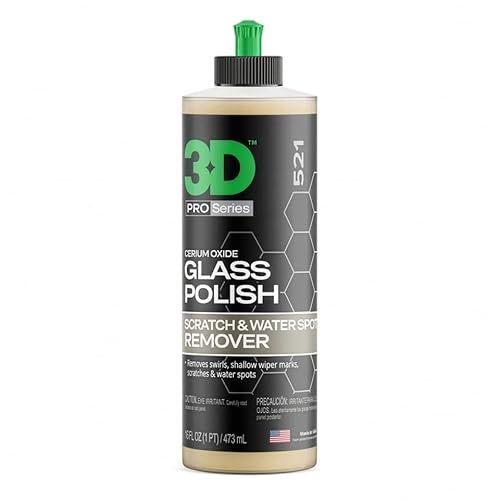
3D Glass Polish Cerium-Oxide 16oz

3D Speed All-In-One Polish & Wax 16oz

3D Eraser Gel Water Spot Remover 16oz
The Strengths Of Each Pick
This is the bottle most detailers reach for when bare aluminum has gone chalky and dull. The formula is built to handle aluminum, chrome, brass, copper, and silver, so you can keep one product on the shelf for trim, wheels, and assorted hardware around the shop. It is positioned as a heavy-duty option, which makes sense for neglected metal that has not seen a buffer in years.
The 16-ounce bottle gives you enough polish for several full-size wheels or a season of regular trim touch-ups. For DIYers with a rotary or dual-action polisher and a foam or wool pad, this is a comfortable middle-ground choice. Beginners can also hand-apply it with a microfiber, though you’ll spend more elbow grease per square inch.
A Strong Showing
- Works across five metals, so you can standardize your detailing shelf around one polish for trim, wheels, and accessories.
- 16oz bottle holds enough material for multiple full wheel restores or a season of small touch-ups.
- Designed for heavy oxidation, so chalky neglected aluminum is the realistic target rather than light haze.
- Compatible with both machine application and hand work on smaller parts like emblems and fuel doors.
Things To Consider
- Heavy-duty cut means a light test spot is wise on plated or anodized finishes, where over-polishing can shift the surface look.
- Hand application on large panels is slow, and most owners find a machine pad saves real time on wheels.
Key Specs
Best Suited To
DIY detailers with bare aluminum wheels, chrome trim, or polished accessories who want a single bottle that handles heavy chalk and tarnish across multiple metals.
Look Elsewhere When
You’re mainly chasing mineral water spots on glass or paint, where the 3D Eraser Gel is a more targeted fit for that specific problem.
3D One takes a different angle than a metal-specific polish. It is a hybrid rubbing compound and finishing polish (a “compound” is an abrasive paste that levels clear coat, while a “polish” refines the surface to a gloss) built for painted panels, where oxidation shows up as faded, chalky clear coat rather than raw aluminum tarnish. It targets scratches, swirls, and dullness in one step, which trims a stage out of a multi-stage correction job.
The 32-ounce bottle is generous, and that matters if you’re working on full doors, hoods, and larger SUVs in a single session. Detailers who want fewer product changes on the pad tend to like the all-in-one workflow. Beginners may still want a finishing polish on top for show-car depth.
Positive Takeaways
- Hybrid formula combines cutting and finishing in one product, which shortens a typical correction session.
- 32oz bottle is double the size of many competitors, so multi-panel jobs don’t run out mid-pass.
- Targets the kind of clear-coat oxidation you see on older daily drivers and garage queens alike.
- Works with both dual-action and rotary polishers, so you don’t have to buy a specific pad system to use it.
Worth Noting
- Not formulated for raw aluminum or chrome, so this is a paint-side pick rather than a metal trim companion.
- Working time and dust load depend heavily on pad choice and machine speed, which can feel finicky for first-time users.
- For show-car finishes, a dedicated finishing polish on top of 3D One is still common practice among enthusiasts.
Feature Snapshot
Who Should Grab It
Enthusiasts and working detailers who handle frequent paint correction and want to consolidate two steps into a single bottle.
Swap It Out When
You’re chasing oxidation on bare aluminum wheels or trim, where the 3D Heavy Duty Metal Polish is the targeted choice instead.
Glass is its own beast, and a regular metal polish will either do nothing or leave haze on a windshield. 3D Glass Polish uses cerium oxide, a powder historically used in optical and glass polishing, suspended in a liquid that you work across the pane with a pad. It tackles the small scratches, wiper chatter marks, and water-spot etching that make a windshield feel smeary even after a wash.
The 16-ounce bottle is enough for a couple of full windshields or several rounds of side-window work. It pairs well with a glass-specific foam or rayon pad and a dual-action polisher, though careful hand work is possible on small scratches.
Notable Upsides
- Cerium-oxide base is the same family of abrasives used in professional glass polishing, which is why it actually levels light scratches instead of just filling them.
- Restores optical clarity on windshields that look permanently dirty even right after washing.
- Removes wiper marks and fine swirl patterns that standard glass cleaners leave behind.
- Safe for use on tempered and laminated automotive glass when applied as directed.
Honest Caveats
- Deep scratches that catch a fingernail will not fully disappear; this polish is for light surface marks, not structural damage.
- Requires a dedicated glass pad to avoid cross-contamination with paint polishes and to keep the finish consistent.
- Working time per pane is longer than a typical paint polish, so set aside a calm afternoon rather than rushing between jobs.
Made For
Drivers bothered by hazy windshields, wiper chatter, or fine scratches who want a real optical-grade polish rather than a temporary fill.
Reach For A Different Pick When
You’re chasing chalky film on bare aluminum trim, which is the 3D Heavy Duty Metal Polish’s home turf, not glass work.
Speed sits in a different lane than 3D One. It is an all-in-one polish and wax, which means it lightly cuts through oxidation and haze, then lays down a wax layer in the same pass. That sounds like a marketing line, but the trade-off is real: you get protection without a second step, and you trade some of the deep correction that a dedicated compound could deliver.
The 16-ounce bottle is friendly for weekend detailers who want to knock out a daily driver in an afternoon. Clear-coat safe application matters on modern paint, and Speed leans into that without requiring a finishing polish on top for typical light-to-moderate defects.
Why It Works Well
- Single-step correction plus wax saves a full stage compared with separate polish and sealant products.
- Clear-coat safe formula fits modern factory and respray finishes without aggressive cutting.
- 16oz bottle is a comfortable size for sedan or coupe-sized vehicles across several maintenance sessions.
- Application forgiveness is high, so newer detailers can still get a respectable finish without pro technique.
Points To Keep In Mind
- The wax layer it leaves behind is not as durable as a dedicated sealant or ceramic coating.
- Severe oxidation or deep swirls will still need a heavier compound like 3D One in front of it.
Whose Shelf It Belongs On
Weekend detailers who want a one-bottle refresh that knocks out light oxidation and leaves a glossy, protected finish in a single afternoon.
A Better Fit Elsewhere
Enthusiasts chasing deep correction on heavy swirl damage will find 3D One a more aggressive starting point before any wax.
Water spots are a different problem from oxidation, but they get lumped together constantly. Mineral deposits sit on top of paint and glass as calcium and magnesium crystals, and a polish alone will not dissolve them. The 3D Eraser Gel uses an acidic gel that clings to vertical panels and gives the chemistry time to break those minerals down before you wipe them away.
The gel format is the real differentiator. A runny liquid would drip off a door or window before it had time to work, which is why most over-the-counter water-spot removers underdeliver. This one stays put on body sides, glass, and chrome trim, and it’s safe on clear coat, glass, chrome, plastic, and polished metal.
What Works In Its Favor
- Gel consistency clings to vertical panels, giving the acidic chemistry real dwell time instead of running off.
- Compatible with paint, glass, chrome, plastic trim, and polished metal, so one bottle covers most of the exterior.
- Removes the chalky white rings left by sprinkler water, road spray, and overnight dew.
- No specialty tools required: a foam applicator and microfiber are enough for a typical driveway session.
Trade Offs
- Acidic formula means you want to wear gloves and avoid skin contact during extended sessions.
- Stains that have baked in under direct sun for weeks may need multiple applications rather than a single wipe.
- It is not an oxidation remover on its own, so heavily oxidized aluminum still needs a dedicated polish alongside it.
Quick Facts
Right Fit For
Garage warriors and driveway detailers who fight sprinkler overspray, hard-tap water, and road-film mineral rings and want one product that works on paint, glass, and trim alike.
Skip It When
Your main battle is chalky oxidation on raw aluminum, where the 3D Heavy Duty Metal Polish is the targeted tool and Eraser Gel becomes a supporting product at best.
Picking The Right Aluminum Oxidation Cleaner For Your Setup
Start by identifying what you are actually cleaning. Bare aluminum wheels, chrome trim, polished trim, painted panels, and glass all behave differently, and a polish built for one can be wrong for another. A metal-safe polish like the 3D Heavy Duty Metal Polish handles raw aluminum and chrome without the abrasive aggression that would chew through a clear coat. If the surface you are working on is painted, a clear-coat-safe polish or hybrid compound sits in a different category entirely and is what you want for that job.
Next, weigh how aggressive the oxidation actually is. A wheel that has sat through three winters of road salt needs a heavier formula and machine application, while a lightly hazed fuel door can be brought back with hand work and a milder polish. Pad choice matters as much as product choice: a cutting pad amplifies what the bottle can do, and a finishing pad softens it. If you are new to machine polishing, an all-in-one polish and wax like Speed gives you a forgiving middle ground.
Finally, look at adjacent problems on the same vehicle. Water spots, glass haze, and paint oxidation often show up together. A small detailing kit that pairs a metal polish, an all-in-one paint product, and a water-spot gel covers the most common complaints without overloading your shelf. The 3D lineup above is built so each bottle covers a distinct surface, which is why they pair well rather than overlap.
What Matters Most When Choosing Among These Picks
Where Shoppers Go Wrong
Buying a paint compound to fix raw aluminum is the most common mistake. Paint compounds are formulated for clear coat, and they can leave bare metal looking duller than when you started. The other classic error is grabbing a generic metal polish for glass haze, which does almost nothing for wiper marks and water-spot etching. Match the product to the surface, and you skip most of the frustration.
Treating water spots as oxidation is another trap. Mineral deposits are chemical, not mechanical, so they need a dissolving gel rather than abrasive polish. The 3D Eraser Gel exists precisely for that gap, and skipping it means you’ll buff at hard-water rings for hours without real progress.
When Paying More Pays Off
A larger bottle like the 32-ounce 3D One is worth the step up if you are doing full-vehicle correction rather than a single panel. You avoid running dry mid-pass, and the per-ounce cost drops noticeably. A heavier metal polish is worth it on wheels and neglected trim where lighter polishes simply run out of cut, and you would otherwise end up buying two bottles to finish one job. Paying more usually pays off in time saved and consistency across the panel.
Frequently Asked Questions
What is the difference between oxidation and water spots on aluminum?
Oxidation is a chemical reaction that turns bare aluminum chalky and dull, while water spots are mineral deposits left behind when water evaporates on the surface. Oxidation needs an abrasive metal polish, while water spots need a dissolving gel.
Can I use a metal polish on painted panels?
Most dedicated metal polishes are too aggressive for modern clear coat and can haze or cut through the paint. For painted panels, use a clear-coat-safe polish or hybrid compound instead.
Do I need a machine polisher to remove aluminum oxidation?
Hand application works on small areas and light haze, but a dual-action or rotary polisher saves significant time on wheels and larger trim pieces. A foam or wool pad also produces a more even finish than hand rubbing.
Is cerium oxide safe for windshields?
Yes, cerium-oxide polishes are widely used on automotive and optical glass for light scratch and wiper-mark removal. They are not designed for deep cracks or chips that catch a fingernail.
How often should I polish oxidized aluminum?
Once the oxidation is removed, a light polish every few months and a protective wax or sealant on top keeps the finish bright. Frequent heavy polishing thins the metal over time, so maintenance beats correction.
Closing Remarks
Aluminum oxidation cleaners span more territory than most shoppers expect, from heavy metal polishes to paint-safe hybrids, glass-specific cerium formulas, and acidic gels for mineral spots. The right pick depends on which surface you are restoring and how aggressive the damage actually is. Match the formula to the substrate, and the rest of the job feels a lot simpler.