Hard water rings, rust streaks, and mineral crust inside a toilet bowl are some of the most stubborn messes in any home. You scrub, you swipe with a regular cleaner, and the discoloration still sits there mocking you. Acidic toilet bowl cleaners are formulated to actually dissolve that buildup, restoring the porcelain to a brighter finish without hours of elbow grease.
Below are eight picks that lean on acidic chemistry, enzymatic action, or foaming surfactants to handle toilet grime. Some target the bowl itself, others protect the plumbing and septic lines downstream. The right one depends on whether your problem is a stained bowl, sluggish drains, or both.
The Picks In Brief

Clorox Toilet Bowl Cleaner Clinging Bleach Gel (Ocean Mist, Pack of 2)

Lysol Toilet Bowl Cleaner Clinging Gel, OXI Action, 0% Bleach

Clorox Toilet Bowl Cleaner Bleach, Rain Clean
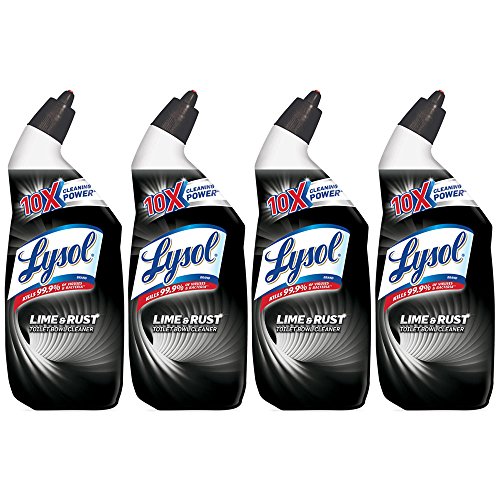
Lysol Toilet Bowl Cleaner with Lime and Rust Remover
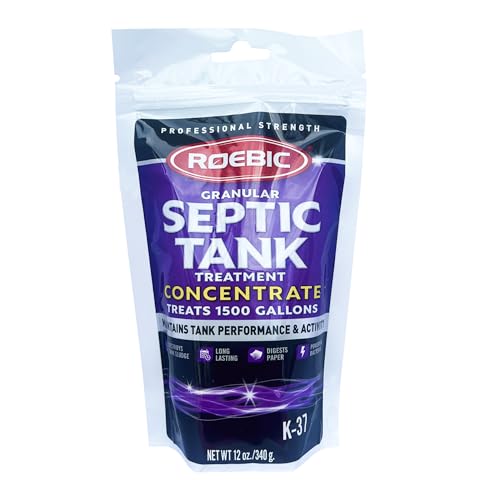
Roebic K-37-BAG Granular Septic Tank Treatment

Don Aslett Safety Foam Toilet Bowl Cleaner (32 Oz, Pack of 2)

Roebic K-77 Granular Tree Root Killer (32 oz)

Roebic K-97 Liquid Main Line Cleaner with Bacteria Enzymes
What Each Pick Brings To The Table
The Clorox Clinging Bleach Gel is a familiar choice for anyone who has stared down a stained bowl and wanted something that does the work without scrubbing. The thick gel formula is designed to coat the sides and cling below the waterline, so the bleach stays in contact with stains long enough to break them down. You squeeze it around the rim, let it settle, and then give it a quick brush.
For households comfortable with bleach, the trade-off is the strong chlorine scent, and you do want ventilation. The pack-of-two format stretches value for a busy family bathroom.
Notable Gains
- Thick clinging gel reaches under the rim where rings usually form.
- Clorox bleach base tackles mildew, waterline stains, and odors in one pass.
- The angled dispensing neck makes it easier to coat the full bowl interior.
- Ocean Mist scent leaves a fresher bathroom after each use.
- Two-bottle pack keeps a backup ready for shared bathrooms.
Things To Consider
- Bleach fumes can feel strong in small, windowless half-baths.
- Not ideal for colored or vintage porcelain where harsh chemicals may risk etching.
Feature Snapshot
Who Should Grab It
Anyone dealing with stubborn yellow or brown waterline stains in a white porcelain bowl will appreciate the bleach-and-gel combo.
Skip It When
Households wanting to avoid bleach altogether should reach for the Lysol OXI Action instead.
The Lysol OXI Action gel swaps bleach for hydrogen peroxide, which reacts with stains on contact and breaks down into water and oxygen. Micro-bubbles form as it works, which you can actually see fizzing along the bowl surface. For households that prefer to skip chlorine, that chemistry shift matters.
The gel still clings, but the action is a little more about patience than scrubbing. You’ll want to give it a few minutes before reaching for a brush.
Where It Helps
- Hydrogen peroxide dissolves lime scale and rust without bleach fumes.
- Visible fizzing action confirms the cleaner is working while it sits.
- Safe approach for households with kids or anyone sensitive to chlorine.
Worth Noting
- Tough, set-in stains may need repeat applications rather than one pass.
- Surface contact time is shorter than thicker bleach gels.
Who Should Grab It
Light-maintenance households with mild staining and a preference for peroxide-based chemistry will find this an easy weekly option.
A Better Fit Elsewhere
Anyone battling deep rust streaks or iron-heavy well water should consider the Lysol Lime and Rust Remover in this list instead.
The Clorox Rain Clean formula is essentially the single-bottle counterpart to the Ocean Mist pack above. You get the same bleach-based gel and the same clinging action, just with a lighter, fresher Rain Clean scent that some households prefer over stronger fragrances.
Packaging may vary, but the formula is consistent, which is the point. It is a no-frills option for people who already know they trust Clorox and just want one bottle on hand.
Points In Its Favor
- Proven Clorox bleach formula handles bacteria and stains together.
- Thick gel clings under the rim for a longer working time.
- Rain Clean scent is lighter and less perfumed than many bleach cleaners.
- Single 24-oz bottle is easy to store in a small caddy.
Trade Offs
- Packaging may vary between orders, which can be confusing on restock.
- Same bleach cautions as any chlorine-based bowl cleaner.
Feature Snapshot
Who Should Grab It
Single-bathroom households or renters who want a familiar bleach gel without committing to a multi-pack will appreciate the simplicity.
Swap It Out When
Hard water stains that bleach alone won’t touch point you toward the Lysol Lime and Rust Remover.
If your water supply is high in iron or calcium, ordinary cleaners often leave orange or white crust that just laughs at scrubbing. The Lysol Lime and Rust Remover is built for that problem. The thick formula coats the bowl and targets mineral deposits while still disinfecting, so you handle two jobs with one bottle.
You get a four-pack here, which makes sense for households that go through bowl cleaner fast or want to outfit more than one bathroom at a time.
Everyday Wins
- Targets both lime scale and rust in the same application.
- Thick coat keeps the chemistry in contact with stained areas longer.
- Larger pack size works well for multi-bathroom homes.
Honest Caveats
- Stronger formulation means more ventilation during use.
- Pack-of-four is more product than a single-bath apartment needs.
Feature Snapshot
Who Should Grab It
Well-water households and homes in the Southwest or Midwest where mineral content runs high will see this pull its weight quickly.
Not Your Match When
If you are on softened municipal water with mild staining, the gentler Clorox Rain Clean formula is enough.
The Roebic K-37 shifts the focus from the bowl to the system downstream. It is a granular septic tank treatment that digests paper, scum, and sludge inside the tank so the system keeps processing waste efficiently. You flush it down the toilet, the granules dissolve, and the bacterial cultures get to work.
It is a different category from the others on this list, but for anyone on a septic system, the toilet and the tank are connected concerns.
Useful Highlights
- Granular format is easy to measure and flush without extra equipment.
- Digests paper and organic waste to reduce sludge buildup over time.
- Targets odors that bubble up through the toilet when the tank struggles.
Small Caveats
- Works best as routine maintenance, not a one-time fix for a failing tank.
- Granules take time to dissolve and colonize inside the tank.
Feature Snapshot
Who Should Grab It
Homeowners on septic systems who want to extend the time between pump-outs will get the most from this treatment.
Where Another Pick Suits Better
If your issue is visible bowl staining, the Don Aslett Safety Foam addresses that more directly.
The Don Aslett Safety Foam takes a different angle than most bowl cleaners. Instead of a clinging gel, it sprays out a foaming acidic detergent that lifts hard water lines and mineral stains with minimal scrubbing. The 32-ounce bottle covers roughly 20 cleanings at 1 to 2 ounces each, which makes the two-pack go a long way.
You may find this approach especially useful in rental properties or guest bathrooms where stains have built up between tenants.
Positive Takeaways
- Foaming action reaches under the rim where gels sometimes miss.
- Acidic formula targets mineral buildup, not just organic residue.
- Two large bottles offer extended coverage per purchase.
Points To Note
- Acidic formula is not intended for surfaces beyond porcelain toilet bowls.
- Sprayer format takes a moment longer to apply than squeeze bottles.
Feature Snapshot
Who Should Grab It
Anyone with persistent hard water lines or rust streaks who is willing to spend a little extra for a foam application should consider this seriously.
Where Another Pick Suits Better
Light weekly maintenance on a relatively clean bowl is easier with the Lysol OXI Action clinging gel.
The Roebic K-77 is another product that goes beyond the bowl, this time addressing tree roots that invade sewer and septic lines. The copper-based formula is designed to kill roots at the point of entry into the pipe without harming the plumbing itself. Slow drains, gurgling toilets, and recurring backups near mature trees are the common triggers.
It is not a routine cleaner, so it lives outside the weekly rotation. But for households where roots are the recurring headache, it is a targeted solution.
Practical Pluses
- Clears existing root intrusion and slows regrowth inside pipes.
- Safe for all standard plumbing when used as directed.
- Granular format flushes easily through the toilet and into the line.
Where It Is Less Suited
- Works slowly over repeat treatments, not as a one-shot emergency fix.
- Severely collapsed pipes still need professional plumbing repair.
Best Suited To
Older homes near mature trees with slow drains or recurring toilet backups should keep K-77 on hand for periodic treatment.
Consider Something Else When
For ongoing maintenance without root issues, the Roebic K-97 enzyme cleaner is a gentler fit.
The Roebic K-97 rounds out the list with an enzyme-based liquid that breaks down grease, paper, and sludge in main sewer and septic lines. Bacteria cultures do the heavy lifting, so this is a maintenance product rather than a heavy-duty chemical. Used regularly, it helps prevent the kind of buildup that turns into a weekend plumbing emergency.
You pour it into the toilet or a drain, and the enzymes get to work without harsh fumes or corrosive action.
Real-World Strengths
- Enzymatic action clears fats, grease, sludge, and paper over time.
- Safe for all pipe materials and the surrounding environment.
- Helps restore flow in lines that are starting to slow down.
Things That May Matter
- Works slowly, so it is not a substitute for mechanical drain clearing.
- Performance depends on consistent, scheduled use.
Right Fit For
Households that want a non-corrosive, environmentally gentler way to keep main lines clear will appreciate the routine use case.
A Better Fit Elsewhere
When root intrusion is the underlying cause of slow drains, the Roebic K-77 is the stronger option.
Matching Bowl Cleaners to the Right Plumbing Situation
Toilet bowl cleaners do more than freshen the porcelain. The chemistry you choose determines whether you fight mineral stains, organic buildup, or plumbing problems downstream. Thinking through a few key factors before you pick helps you avoid wasted product and unnecessary scrubbing.
Identifying Your Water and Stain Type
Mineral content varies sharply by region, and it shapes the staining you see. Iron-heavy well water tends to leave orange or reddish streaks, while calcium-rich supplies produce white crusty rings at the waterline. Knowing your stain type narrows the formula you need. Bleach-based gels like the Clorox products handle organic discoloration well, but mineral scale often needs an acidic cleaner such as the Don Aslett Safety Foam or a peroxide-based formula like the Lysol OXI Action.
Bleach Versus Bleach-Free Chemistry
Bleach remains a strong disinfectant, but the fumes and fabric-bleaching risk push some households toward alternatives. Hydrogen peroxide delivers similar whitening with a milder scent and breaks down into water and oxygen, which makes products like the Lysol OXI Action appealing. The trade-off is contact time, since peroxide usually needs a few extra minutes to lift tough stains.
Considering Your Plumbing System
Septic systems require extra thought. Harsh chemicals can disrupt the bacterial balance inside the tank, while enzyme-based treatments like the Roebic K-37 and K-97 actively support it. Sewer-connected homes face different concerns, particularly root intrusion in older clay lines, which is where the Roebic K-77 earns its place in the toolkit.
Balancing Cost, Concentration, and Frequency
Concentrated formulas and larger pack sizes usually cost more up front but stretch further per cleaning. A two-pack of 24-oz bottles covers most households for months, while a 32-oz foam bottle yielding 20 applications works out to a low cost per use. Match the package size to your actual cleaning frequency rather than buying the biggest option on autopilot.
Key Considerations Across These Picks
Common Buying Slip Ups
Choosing the strongest formula on the shelf is a common reflex, but it often backfires. A heavy-duty mineral remover on a lightly stained bowl wastes product and exposes porcelain to harsher chemistry than needed. The better move is matching the cleaner to your stain severity. Another trap is ignoring plumbing type entirely. Buying a bleach-heavy gel for a septic system can quietly stress the bacterial balance over time, while enzyme treatments support it.
What The Higher Tier Buys
The pricier picks in this category tend to deliver concentrated formulas, larger bottle sizes, or specialized chemistry. The Don Aslett Safety Foam, for instance, uses an acidic foam that reaches under the rim in ways basic gels do not, and the Roebic K-77 offers root-clearing chemistry no standard bowl cleaner attempts. Paying more generally means targeted action and less elbow grease, which is worth it when stains or slow drains have resisted cheaper products for months.
Frequently Asked Questions
Are acidic toilet bowl cleaners safe for septic systems?
Most dedicated bowl cleaners are safe in normal household doses, but enzyme-based treatments like the Roebic K-37 and K-97 actively support septic health rather than simply not harming it.
How often should I use an acidic bowl cleaner?
Weekly use is typical for most households, though homes with hard water or well water may benefit from more frequent applications to stay ahead of mineral buildup.
Can acidic cleaners damage porcelain?
Prolonged exposure to strong acids can etch older or decorative porcelain, so it is wise to follow the contact time on the label and avoid overnight soaking.
Do bleach-free cleaners actually disinfect?
Hydrogen peroxide formulas like the Lysol OXI Action sanitize effectively, though contact time and consistent application matter more than with bleach-based products.
What is the best option for rust stains specifically?
The Lysol Lime and Rust Remover targets mineral discoloration directly, while the Don Aslett Safety Foam uses acidic foam that lifts similar deposits with minimal scrubbing.
The Takeaway
The right pick depends on whether your frustration is a stained bowl, a slow drain, or a septic system that needs support. For most households, a quality gel like the Clorox Clinging Bleach or the Lysol OXI Action covers routine weekly cleaning. Add the Don Aslett foam for stubborn mineral rings, and consider the Roebic enzyme or root products when the issue moves past the bowl into the pipes. Match the cleaner to the actual problem, and the work gets easier.