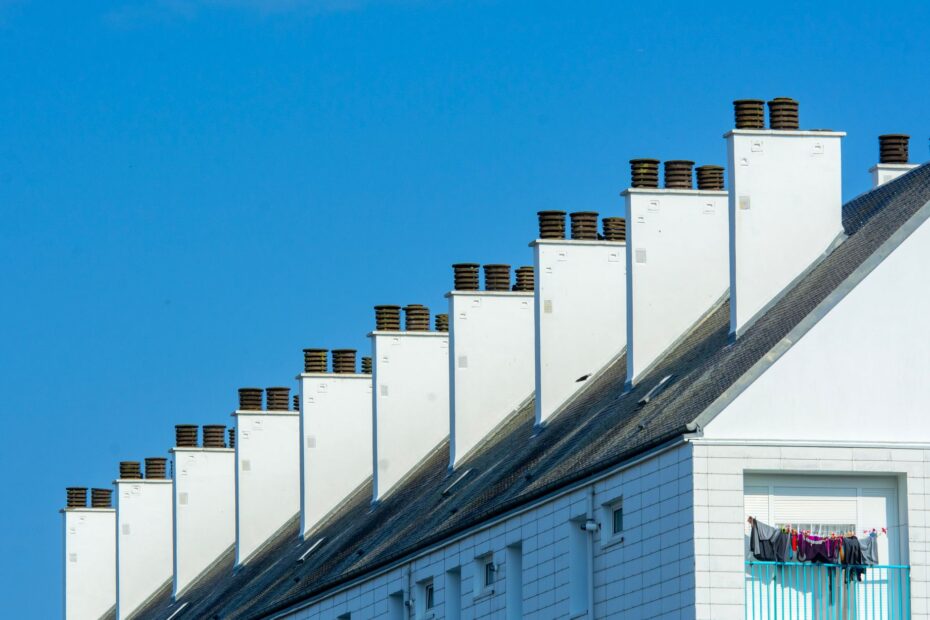
Hot combustion gases rise through the flue and chimney stack, while draft carries them safely above the roof. A closed damper, cold liner, or pressure imbalance can send smoke back into your room.
This overview covers the parts, airflow, rain control, damper habits, warning signs, and service needs that shape safe fireplace and vented-appliance operation in your home.
The Chimney Shell and Flue Passage Have Separate Jobs
Brick, stone, or metal forms the exterior structure visible above your roofline. That outer structure is the chimney, while the flue is the enclosed passage that carries smoke, gases, moisture, and combustion byproducts outdoors.
A chimney can contain more than one flue. Your fireplace might use one passage while a furnace, water heater, or stove uses another, which is why a service report can identify separate flues inside the same chimney stack.
The phrase what does a chimney flue do has a direct answer: it contains exhaust and directs it upward. Your chimney surrounds that passage, adds structural height, and helps keep heat and corrosive gases away from nearby building materials.
The Chimney Liner Shields Masonry From Heat and Moisture
A chimney liner forms the inner surface of the flue. Clay tile liners appear in many older masonry chimneys, while stainless steel liners fit some wood, gas, and relining work.
Size matters as much as liner material. An oversized passage lets exhaust cool before it reaches the top, while an undersized passage restricts flow. Your appliance instructions set the vent size, connector details, and clearance limits for that equipment.
| Part | Job | What you can spot |
|---|---|---|
| Firebox | Contains fuel and flame | The lined chamber inside the fireplace opening |
| Damper | Opens or closes the exhaust path | A handle, lever, chain, or throat plate |
| Smoke chamber | Funnels gases into the flue | Located above the damper |
| Chimney liner | Contains heat and corrosive exhaust | Clay, metal, or another lining material |
| Cap and crown | Shed rain and block debris | Located at the chimney top |
| Flashing | Seals the roof joint | Metal strips where roof meets chimney |
Each part relies on the next. A chimney cap cannot compensate for cracked flashing, and a clean flue cannot exhaust smoke through a closed damper. The full route becomes easier to follow from the firebox upward.
The Exhaust Route Runs From the Firebox to the Chimney Cap
Smoke begins low in the house and needs a clear route above your head before it can leave outdoors. In a wood-burning fireplace, the firebox produces heat and smoke, while the throat directs both toward the damper and smoke chamber.
A chimney and flue system diagram places the firebox at the bottom, then shows the throat, damper, smoke chamber, chimney liner, crown, and chimney cap in upward order. Your exhaust should move through each point without a blockage, damaged surface, or abrupt pressure change.
The Exhaust Path Has Seven Main Stops
- Firebox chamber. Your fuel burns inside a heat-resistant space built to contain flame, ash, and radiant heat.
- Throat opening. The opening above the firebox narrows the route before smoke reaches the damper area.
- Damper plate. Your open damper gives hot gases a clear route into the upper passage.
- Smoke chamber. Sloped walls gather rising gases and direct them toward the vertical flue.
- Flue liner. The lined channel carries exhaust through the chimney stack without exposing surrounding masonry.
- Sloped crown. The crown directs rain away from outer walls and liner edges.
- Chimney cap. A raised cover blocks leaves, rain, and nesting animals while exhaust leaves through its side openings.
The smoke chamber has a specific job beyond filling empty space. Its sloped walls soften the change from the wide firebox to the narrower flue, helping gases rise into the liner instead of rolling out across the fireplace opening.
Different appliances use the same exhaust principle through different hardware. A wood stove can connect through stove pipe to a metal chimney, while a furnace or water heater can use a dedicated vent sized for its fuel and appliance category.
Your system must follow the instructions written for that appliance. A fireplace damper routine does not automatically fit a wood stove, pellet stove, gas insert, furnace, or water heater.
Those appliance-specific requirements exist because each venting system creates and sustains draft differently.
Draft Uses Heat and Height to Move Exhaust Upward
Warm combustion gases weigh less per cubic foot than cold outdoor air, so they rise through the flue. That upward pull is chimney draft, a form of stack effect that draws fresh combustion air toward the fire and moves exhaust above the roof.
How chimney draft works depends on a pressure difference. Hot gases rise inside the chimney liner, and replacement air enters the room through vents, gaps, doors, or a planned combustion-air source.
Your fire needs enough replacement air to keep that upward movement stable. A tightly sealed house, a running clothes dryer, or a strong kitchen range hood can pull indoor air outward and weaken the pressure that should move fireplace smoke up the flue.
Warm Flues Produce More Stable Draft
A cold masonry flue acts like a tall column of chilled air above the fireplace. Small kindling, a top-down fire, and a fully opened damper help warm that column before a larger log load creates heavy smoke.
Height adds pressure difference, while heat keeps gases buoyant. A taller, warmer, properly sized flue drafts more steadily than a short or cold passage with leaks, rough surfaces, or damaged liner sections.
Smoke spilling from a newly lit fireplace is a stop-use warning. Stop adding fuel, open an exterior door only where conditions are safe, and correct the airflow problem before another attempt.
A kitchen range hood can change the result within minutes. Your fireplace can draft normally with the hood off, then spill smoke into the room after the hood pulls enough indoor air outdoors to reverse the expected flow.
Height, Sizing, Weather, and Appliance Type Shape Draft
Wind moving over a roof can assist exhaust flow or press air down toward the chimney opening. Roof ridges, tall trees, nearby walls, and a termination in turbulent air can turn a calm fire into a downdraft problem.
Roof Clearance Sets a Starting Point
The familiar 3-2-10 rule for many solid-fuel chimneys calls for a top at least 3 feet above the roof penetration and 2 feet above any roof surface within 10 horizontal feet. Local building rules, appliance instructions, and site conditions control the final dimensions.
The 7 times rule is not a universal US chimney-height rule. Some installers use a seven-to-one proportion as a rough discussion point for tall, narrow masonry stacks, but that ratio cannot replace a sizing calculation or local code review.
Your roof shape, chimney location, appliance output, and flue diameter matter more than a slogan. A short chimney near a taller roof section faces different wind pressure than a chimney that rises clear of nearby obstructions.
Appliance Categories Need Their Own Venting Paths
| Appliance | Exhaust route | Performance concern |
|---|---|---|
| Open fireplace | Large masonry flue or metal chimney | Room pressure and a cold flue can cause spillage |
| Wood stove | Connector pipe to an insulated chimney | Cool smoke can form creosote buildup |
| Pellet stove | Dedicated vent system | Vent length and ash accumulation affect flow |
| Gas furnace or water heater | Dedicated vent or common vent | Corrosion and backdrafting need prompt attention |
Metal chimneys and masonry venting systems are not interchangeable parts. Your installer must match liner size, termination height, connector details, clearances, and appliance category to the equipment attached to that flue.
Even a properly matched system cannot vent safely when a closed damper blocks its passage.
Damper Position Controls the Open Exhaust Path
A damper plate can turn a working exhaust route into a blocked route in seconds. Before lighting a fire, open the fireplace damper fully and leave it open until combustion has stopped and ashes are cold.
After the fireplace is unused and cold, close the damper to reduce heated or cooled room air escaping up the chimney. Gas logs, inserts, and other appliances can follow different rules, so your appliance manual takes priority over a standard fireplace routine.
The phrase fireplace flue open or closed comes down to active combustion. An open route serves a live fire, while a closed route limits air loss only after the fireplace and ashes are cold.
Three Checks Show Damper Position
- Check the handle. Your control can show open and closed positions, although markings differ across fireplace designs.
- Look upward cold. Use a flashlight after the firebox is fully cold and confirm that the plate is not blocking the throat.
- Watch smoke flow. Hold a lit match near the firebox opening only with the damper open and watch smoke move upward.
- Clear the throat. Your grate, logs, and fireplace tools should not interfere with damper movement or the smoke path.
Never close a fireplace damper over hot coals. Carbon monoxide and smoke can enter your living space after visible flames disappear.
Damper position is easy to overlook because the plate sits above the firebox. A closed or partly closed plate can produce immediate smoke spillage, even with dry wood and a clean chimney liner.
Rain Stays Outside Through Caps, Crowns, and Flashing
Rain does not seal a working chimney shut. A chimney cap sits above the flue opening on supports, leaving side gaps where exhaust leaves while its cover deflects rain from the liner.
How chimneys work when it rains depends on several drainage layers. The cap diverts water from the flue, the crown slopes water away from the liner edge, and flashing seals the roof-to-chimney joint.
Your roof shingles cannot seal that joint alone. Flashing uses overlapping metal pieces to direct water onto the roof surface rather than behind siding, beneath shingles, or into the framing around the chimney stack.
Water Marks Point to a Failed Drainage Layer
Smoke can leave during rainfall, but water should not reach your firebox, ceiling, or walls. A damp odor after a storm, rusty damper parts, bubbling paint, or a brown ceiling stain points to masonry water entry or a damaged drainage layer.
Spalling brick needs prompt attention. Freeze-thaw cycles force absorbed water outward and break the brick face into flakes, leaving your cap, crown, mortar joints, and flashing less able to shed water.
A defect in one layer exposes the next. Cracked crowns can send water into masonry, failed flashing can wet roof framing, and a damaged cap can allow leaves or nesting material into the flue.
Smoke, Odors, and Downdrafts Signal Airflow Problems
Smoke entering your room is an operating failure, not a normal trait of an older fireplace. Stop using the appliance, move occupants away from the area, ventilate only where conditions are safe, and arrange a qualified inspection before another burn.
| Symptom | Probable cause | Your safe response |
|---|---|---|
| Smoke enters room | Closed damper, cold flue, blockage, negative pressure, or wind | Stop the fire and inspect the exhaust route |
| Musty fireplace odor | Moisture, soot deposits, or downdraft | Check cap, crown, flashing, and flue condition |
| Weak draft | Oversized liner, short height, cold gases, or obstruction | Use no appliance until the cause is identified |
| Water leaks | Cracked crown, failed flashing, damaged cap, or porous masonry | Arrange exterior repair before freeze damage spreads |
| Visible liner damage | Heat damage, corrosion, or aging clay tiles | Stop use and seek liner assessment |
| Carbon monoxide alarm | Backdrafting, blocked vent, or appliance malfunction | Leave the home and contact emergency services |
Carbon monoxide has no color or smell. An alarm event, recurring smoke spillage, cracked liner sections, or chimney-fire signs such as loud roaring and intense odor needs immediate service rather than another attempt to burn through an obstruction.
Your range hood can reveal an indoor-pressure problem. Opening a nearby window can show that the fireplace drafts better with replacement air available, although a permanent correction needs a venting assessment that addresses the pressure source.
A damaged flue can also cause odor without visible smoke. Moisture mixed with soot or creosote can leave a stale smell in the firebox, especially after rain or a period of downdraft.
Service Keeps Creosote, Blockage, and Liner Damage From Escalating
Wood smoke leaves more than gray ash. As exhaust cools against a cold liner, vapors condense into creosote, a sticky or hard black deposit that raises chimney-fire risk as it thickens.
Slow, smoldering fires produce cooler exhaust and more deposit potential than hotter fires with steady airflow. Your wood should be properly seasoned, and your appliance should operate within its stated range rather than choked down for long periods.
A Practical Service Routine Addresses the Full Route
- Review yearly. Have your chimney and venting system inspected at intervals suited to fuel, use level, and appliance instructions.
- Remove deposits. Clean creosote and soot before buildup narrows the passage or exposes combustible materials to excessive heat.
- Clear obstructions. Nests, leaves, loose mortar, and damaged cap screens can block a flue without visible warning indoors.
- Inspect liners. Your professional can identify cracked clay tiles, corroded metal, and damaged joints with the right equipment.
- Watch water entry. Repair cap, crown, flashing, and masonry defects before wet materials damage the liner or chimney structure.
Annual attention gives you a record of liner condition, cap condition, draft concerns, and moisture damage before another heating season. The Chimney Safety Institute of America and NFPA 211 describe inspection as a safety practice rather than cosmetic upkeep.
How a house chimney and flue system works becomes clear during service: combustion, draft, liner condition, and rain control meet in one narrow route. Your fireplace or vented appliance needs that route open, sound, and matched to its fuel.
Safe Use Depends on the Complete Exhaust Route
Your chimney is only as safe as the path from fuel source to chimney cap. Keep the damper open during active combustion, take smoke and carbon monoxide as stop-use warnings, and have recurring draft trouble checked before your next fire.
Small defects can join into one larger problem. A cold flue, closed damper, blocked cap, pressure imbalance, cracked liner, or wet masonry can interfere with the same upward path your appliance needs for exhaust.
Watch for changes in smoke movement, odor, water stains, rust, and damper operation. Your response should match the symptom: stop use for smoke or carbon monoxide, then seek qualified service for the cause.
FAQ
What are common chimney flue problems?
Creosote deposits, animal nests, leaves, cracked clay tiles, corroded metal liners, loose mortar, water entry, and poor sizing can all restrict safe exhaust flow. You can also face draft failure from a cold flue, a blocked cap, negative indoor pressure, or a chimney termination exposed to wind turbulence.
What is the 7 times rule for chimneys?
In practice, this guideline is a loose rule of thumb rather than a universal US construction requirement. Some discussions use it for chimney proportions, but your installation must follow local building rules, appliance instructions, roof clearance requirements, and a qualified sizing review rather than a single ratio.
Should my chimney flue be open or closed?
Your fireplace flue should be fully open before lighting a fire and remain open until all combustion has ended and ashes are cold. Close the damper during periods of nonuse to reduce indoor air loss, unless your appliance instructions require a different setting.
How does a chimney work when it rains?
Your chimney continues exhausting through openings beneath the chimney cap, while the cap deflects much of the rain above the flue. The crown sheds water from the masonry, and flashing seals the roof joint. Dripping, stains, rust, or wet brick signals a defect rather than normal rain operation.
How often should a chimney and flue be inspected?
Annual professional inspections are typically recommended, with timing adjusted for fuel type, appliance instructions, and use level. Wood-burning systems need close attention because creosote can build up, while gas vents still need inspection for corrosion, blockage, loose connections, and carbon monoxide backdrafting.