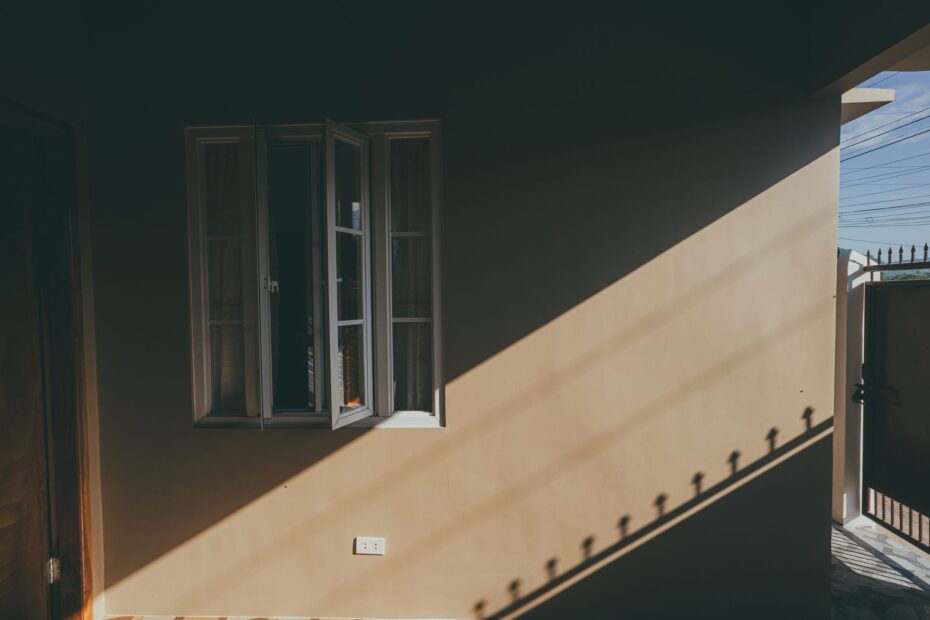
A south-facing window set high on a wall can transform indoor daylight, along with glass area and nearby trees or buildings. A broad west window can brighten a sofa at 5 p.m. yet leave a desk dim at noon, while a high north window gives calm, even light for hours.
You can judge a room more accurately by tracking sun timing, room depth, glare, heat, privacy, and the visible sky outside each opening.
Useful Daylight Relies on Light Quality Rather Than Window Count
Three small windows on one shaded wall can leave your room darker than one opening aimed at open sky. Useful daylight includes brightness, timing, direction, contrast, and the balance between direct sun and diffuse sky light. Your goal is light that reaches the places where you sit, cook, work, and move.
Direct sun creates sharp shadows, bright highlights, and surface heat. Diffuse light comes from the sky and reflected outdoor surfaces, so it spreads across walls and worktops with less contrast. Your room needs a different balance of these two light types based on its purpose.
Daylight Brings Trade-Offs Into the Room
More glass raises indoor brightness, yet it also raises glare, solar heat gain, nighttime heat loss, and fading on fabrics or wood. A large window-to-wall ratio can make a television wall hard to use or place your dining table beside a bright reflection.
- Brightness near glass: Your floor and furniture closest to the opening receive the strongest daylight.
- Light farther back: Your ceiling height and window head height shape how far daylight reaches toward the rear wall.
- Direct-sun comfort: Bright sun beside a dark interior surface strains your eyes and creates harsh contrast.
- Views and privacy: Your sightline can add depth to a room or expose it to nearby homes.
- Air movement: Operable windows can bring cross ventilation without dictating the daylight plan.
These trade-offs show why window placement and natural light should be judged as a room-wide pattern rather than a count of panes. Cardinal orientation sets that pattern before window size, trim style, or furniture enters the picture.
Cardinal Orientation Sets the Daily Pattern of Sunlight
At 8 a.m., an east wall can glow while a west wall stays quiet. In the Northern Hemisphere, window orientation sets the hours when direct sun enters your room and the heat that arrives with it. Latitude, cloud cover, and local climate alter intensity, yet the daily order remains dependable.
| Exposure | Light pattern for your room | Heat and glare concern | Useful locations |
|---|---|---|---|
| North-facing | Your room gets steady diffuse light with little direct sun. | Your glare and solar heat gain stay low. | Your studio, office, or art wall benefits from even light. |
| South-facing | Your room receives useful winter sun and high summer sun. | Your overhang can screen high-angle summer rays. | Your living area can gain winter warmth and daylight. |
| East-facing | Your room brightens strongly during morning hours. | Your glare fades before afternoon tasks begin. | Your breakfast area or morning kitchen fits this exposure. |
| West-facing | Your room receives late-day direct sunlight. | Your cooling load and screen glare can climb sharply. | Your low-use rooms need firm shade control here. |
South-Facing and North-Facing Windows Serve Different Uses
South-facing windows receive useful winter sunlight across much of the United States because low winter sun reaches beneath a correctly sized roof overhang. Summer sun sits higher in the sky, allowing a horizontal overhang to block more direct rays. Your climate decides whether that winter heat feels welcome or excessive.
North-facing windows deliver consistent diffuse light with little direct sun in the Northern Hemisphere. That steadiness suits computer work, painting, and food preparation because your eyes are not following a moving beam across the room.
East-Facing and West-Facing Windows Need Time-Specific Control
East-facing window light is bright but short-lived, so it can suit a breakfast nook, entry, or bedroom that benefits from an earlier wake-up cue. Your morning glare still matters near a kitchen counter or desk facing the glass. A home office can work beside east glazing when the monitor sits perpendicular to the window.
West-facing window sunlight and heat arrive during the warmest part of the day. Exterior screens, vertical fins, deciduous trees, and outdoor shutters handle low-angle rays better than a deep horizontal overhang. Your late-afternoon comfort depends on stopping that sun before it reaches interior surfaces.
After direct sun is controlled, opening proportions and placement determine how far useful light travels indoors.
Directional advice reverses in the Southern Hemisphere. Your local latitude, summer temperatures, and neighboring shade still matter more than a compass label alone.
Window Height and Geometry Control Daylight Reach
A tall opening sends light across the ceiling before it reaches the floor, which explains why head height matters more than a low, wide strip of glass in a deep room. Higher glazing brightens upper walls and ceilings, turning pale surfaces into broad reflectors. Window height for deeper daylight penetration is a practical concern in family rooms, kitchens, and long home offices.
High Glass Extends Light Beyond the Exterior Wall
Clerestory windows sit high on a wall, above eye level, and bring daylight into rooms where privacy or furniture blocks a lower opening. Transom windows above doors or larger windows perform a smaller version of the same task. Your room gains brightness without giving up lower wall space for a bed, bookcase, or cabinet.
Study the distance from the floor to the window head beside your room depth. A high window head sends daylight farther into the room, while a low sill mainly brightens the zone beside the wall. Your ceiling color matters because a dark ceiling absorbs much of that upward light.
Width and Opposing Walls Shape Contrast
Wide glazing spreads brightness across a long wall, yet it does not cure a dark rear corner on its own. Openings on two or more walls reduce deep shadows because light enters from separate angles. Your room feels less cave-like even with less total glazing.
A 14-foot family room with one low patio door can look bright at the threshold and dim near the interior seating wall. Raising the door head or adding a high side opening gives your rear seating area a brighter visual field without turning the entire facade into glass.
The Site Can Override a Favorable Orientation
A south-facing window behind a neighboring two-story house receives far less sky than its compass direction suggests. Trees, hills, porches, roof overhangs, screens, and nearby buildings can block direct sun and diffuse sky light before either reaches your room.
Seasonal Shade Differs From Constant Obstruction
A deciduous tree can shade hot summer afternoons while allowing more winter sun after leaves drop. A deep porch roof or adjacent wall blocks light in every season, including the diffuse sky light that makes north-facing windows useful. Your room can feel dull on a bright cloudy day under that kind of obstruction.
Look outside from your planned eye level rather than from the yard. Your view should include nearby rooflines, dense branches, and the underside of an overhang. Their height and distance shape the visible patch of sky, which gives you a stronger daylight clue than orientation alone.
- Check three times: Visit your room in morning, midday, and late afternoon before drawing conclusions.
- Trace exterior shadows: Your patio, wall, and glass show where shade falls during each season.
- Study winter branches: Your leafless canopy shows whether winter sun reaches the glass.
- Watch upper sky: Your room needs visible sky above nearby roofs for diffuse daylight.
Room Use Sets the Right Daylight Balance
A home office and a primary bedroom should not chase the same light pattern. Task work needs broad, stable illumination, while sleep spaces benefit from daylight that suits your routine and can be blocked at night. Your furniture plan belongs in the discussion before final window locations are set.
| Room | Daylight priority for your use | Placement response |
|---|---|---|
| Living room | Your seating needs even light and a view. | Your mixed exposures work well with shading at glare zones. |
| Kitchen | Your counters need clear task light. | Your north or east glass limits late-day eye strain. |
| Bedroom | Your sleep routine needs controlled brightness. | Your east window suits morning light with blackout coverage. |
| Bathroom | Your privacy and face lighting matter most. | Your high or obscured glazing admits light above sightlines. |
| Hallway | Your interior route needs borrowed daylight. | Your transom, skylight, or solar tube can brighten it. |
| Home office | Your screen needs low contrast. | Your desk should sit perpendicular to diffuse side light. |
Feng shui values openness, views, and a sense of air moving through a home. That preference can fit practical daylighting, yet your privacy, glare control, and usable furniture walls still set the limits. A window aimed at a neighbor’s bathroom does not become functional because it follows a symbolic rule.
Exterior Shading Limits Glare and Heat Without Losing Daylight
Low-angle afternoon sun slips beneath a roof overhang with little resistance. Exterior shading stops much of that solar heat before it crosses the glass, while interior blinds intercept it after the room has absorbed part of the heat load. Your west wall needs special attention because late-day rays arrive from a low angle.
Shade Type Should Match Sun Angle
- Horizontal overhangs: Your south-facing glass benefits from shade against high summer sun.
- Vertical fins: Your east and west glazing needs control against low side-angle rays.
- Exterior screens: Your view can remain visible while harsh direct sunlight becomes softer.
- Adjustable shades: Your bedroom and bathroom gain privacy at changing times of day.
- Light-filtering fabric: Your room retains diffuse light while reducing bright contrast.
Low-E glass reduces heat transfer through glazing, and the solar heat gain coefficient, or SHGC, describes how much solar heat passes through a window system. A lower SHGC suits hot exposures, but glass selection cannot correct a poorly shaded west wall. Your exterior shade plan still does the heavier work against late-day heat.
With direct sun controlled outdoors, reflective finishes and higher openings can brighten interiors without adding more exposed glass.
Daylighting Changes Can Brighten Rooms Without Larger Windows
A dark center hallway does not need a larger exterior opening because it has no exterior wall to enlarge. Top lighting and reflective finishes can move daylight inward with less disruption than cutting a new wall opening through brick, siding, or structural framing. This is one answer to how to maximize natural light in a house without enlarging wall openings.
| Option | Where your home benefits | Limit for your plan |
|---|---|---|
| Transom windows | Your interior wall can borrow light from an adjacent room. | Your privacy and sound transfer need attention. |
| Clerestories | Your tall room needs light above furniture and sightlines. | Your framing changes can be substantial. |
| Skylights | Your top-floor room needs direct access to the sky. | Your roof detailing and cleaning access need planning. |
| Solar tubes | Your small interior room needs concentrated daylight. | Your ceiling diffuser gives less view and less spread. |
Tubular daylighting devices, often called solar tubes, carry daylight through a reflective tube from roof to ceiling. They suit closets, hallways, and interior baths where your goal is daytime visibility rather than a broad sky view. Your ceiling diffuser brings light down without taking up a furniture wall.
Light shelves bounce sun upward from a lower glazed area, while pale ceilings and matte light-colored walls spread the daylight already present. Keep tall cabinets and dense furniture away from the brightest wall. Your retrofit can disappoint when a new skylight places glare directly on a monitor or exposes a shower to overlooking windows.
Roof openings need careful flashing, insulation, and moisture detailing. Your contractor should account for roof slope, ceiling cavity depth, and safe access for future cleaning.
A Room-by-Room Review Reveals the Actual Daylight Problem
One sunny showing can hide a late-afternoon glare problem or a dim winter corner. A short audit across three parts of the day reveals whether discomfort comes from orientation, exterior obstruction, window geometry, or a missing shade layer. Your notes turn a vague complaint into a clear next step.
- Start in morning: Record direct sun, bright reflections, and the rooms your household uses before noon.
- Return at midday: Check rear corners, counter surfaces, and the visible sky above exterior obstructions.
- Finish late afternoon: Watch west walls, television screens, floor heat, and fading risks near glass.
- Rank low-disruption fixes: Trim branches, reposition a desk, clear furniture, or adjust shades before renovation.
- Price structural changes: Raise window heads, add transoms, or install top lighting where usable daylight improves.
Use one final rule for window placement and natural light: change an opening only where your gain in usable daylight outweighs glare, overheating, privacy loss, and energy penalties. Your notes can show whether a shade, lighter ceiling, or new opening solves the actual room problem.
Final Thoughts
Daylight is not a prize for having the largest windows. Your strongest result comes from placing glass for the sun path, raising it where a room runs deep, blocking unwanted heat, and checking the actual site beyond the wall. A room feels bright and settled when light reaches your eyes at the hours you use the space.
FAQ
How does a house’s window placement affect natural light?
Window placement affects natural light through direction, head height, glass area, room depth, and exterior shade. Your south, east, west, and north exposures bring daylight at different hours, while higher glass sends light farther into your room. Nearby roofs, trees, and porch covers can block sky light despite a favorable compass direction.
Which direction should windows face for the most natural light?
South-facing windows bring useful winter sun in the Northern Hemisphere, while north-facing windows give steady diffuse light. East-facing windows brighten your room in the morning, and west-facing windows bring strong late-day sun. Your climate, shade, and room use decide which direction suits a given wall.
How does window orientation affect the amount of natural light in a room?
Orientation sets the timing and angle of direct sunlight in your room. In the Northern Hemisphere, your south-facing glass receives valuable winter sun, north-facing glass gives diffuse light, east-facing glass brightens mornings, and west-facing glass brings stronger late-day sun, glare, and heat.
Does an east-facing window get enough light for a bedroom or home office?
An east-facing window can give your room plenty of light during morning hours, especially with open sky and pale interior finishes. Your bedroom can benefit from that earlier brightness with blackout coverage at night. A deep home office may need another exposure, higher glazing, or electric lighting after noon.
Does a west-facing window receive a lot of sunlight and heat?
A west-facing window receives direct afternoon and evening sunlight, which can feel intense during warm months. Your room can gain strong late-day brightness, but exterior screens, vertical fins, trees, or adjustable coverings help control hot surfaces, eye strain, and reflected glare on screens.
How do window size and height affect how far daylight reaches into a room?
In a deep room, a higher window head sends daylight farther from the wall, while larger glass mainly boosts brightness near the opening. Higher glazing sends light across your ceiling and upper walls before it spreads downward. Your pale ceiling reflects more of that light than a dark painted ceiling.