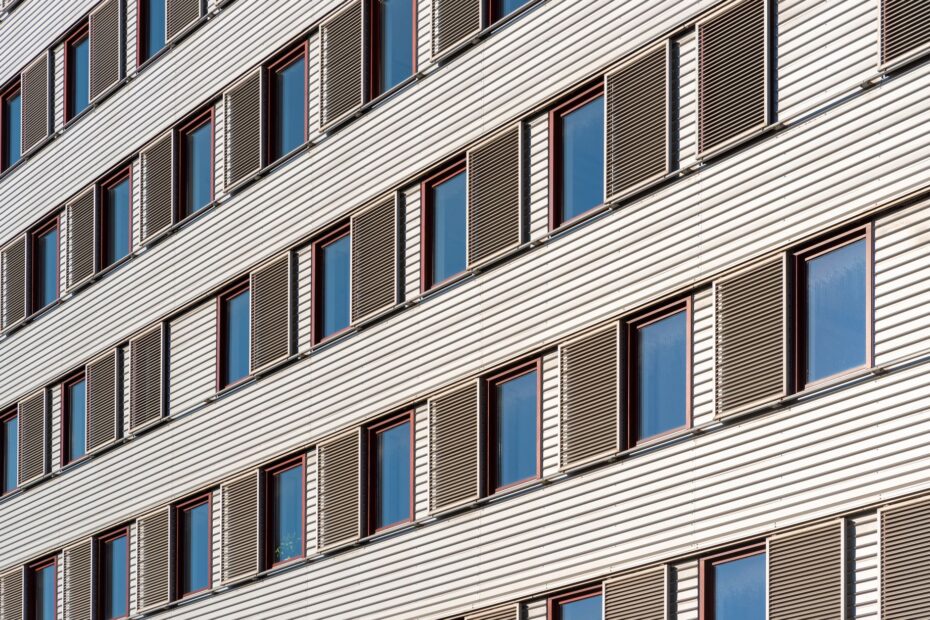
Vinyl vs. wood siding is a choice between PVC panels with low routine upkeep and natural lumber that offers real grain, repainting, and local repairs. Both cover exterior walls, but your maintenance work, repair costs, and response to sun, rain, and impact can differ within five years.
Use the comparisons below to weigh material cost, climate exposure, appearance, repair work, local rules, and the upkeep your home can realistically receive.
Material Makeup Shapes Daily Performance
PVC and lumber react to water, heat, and impact in different ways. Vinyl siding uses long, interlocking polyvinyl chloride panels. Wood siding uses cedar, pine, spruce, or redwood boards, while engineered wood siding uses wood fibers and resin.
Your exterior can use clapboard siding, vertical boards, board-and-batten, shakes, or shingles. Natural lumber shows grain, knots, and board-to-board variation. Engineered wood siding has a more uniform face and can arrive factory-primed, while Accoya is a modified wood product intended to improve moisture stability.
| Material | Core material | Main strength | Main limit |
|---|---|---|---|
| Vinyl siding | PVC panels | Low routine upkeep | Heat, cold, and impact can damage panels |
| Natural wood siding | Solid cedar, pine, redwood, or spruce | Natural depth and local refinishing | Needs moisture control and finish care |
| Engineered wood siding | Wood fiber and resin | Uniform boards and paint-ready surfaces | Edges need careful water protection |
Your climate, budget, repainting tolerance, and architectural goals carry more weight than any broad claim about a single material. Those material differences lead directly to the trade-offs you will see after installation.
Daily Trade-Offs Follow the Material Choice
Rot and termites do not consume PVC, which helps on walls exposed to damp soil, insects, or repeated rain splash. Vinyl can still fade, crack during severe cold, warp near intense heat, and dent after a baseball strike or fallen branch.
Vinyl Favors Low Routine Work
- Lower entry cost Vinyl panels and installation labor need less cash than solid wood cladding in many markets.
- Rot resistance PVC does not absorb water like lumber, so fungal decay cannot consume the panel itself.
- Insect resistance Termites and carpenter ants have no food source in vinyl panels.
- Color limits Faded panels cannot be stained back to their original tone.
- Impact concerns A hard strike can leave a crack or dent that needs a replacement panel.
Wood Rewards Routine Attention
Wood siding pros and cons center on character and maintenance. Cedar clapboards can take paint or stain, and your carpenter can cut out a damaged board without disturbing an entire wall. Your house gains texture that molded grain patterns rarely match at close range.
That texture asks for regular care. Peeling paint, open end grain, failed caulk, and ground contact invite moisture damage and rot. A sound finish sheds water from the face, yet it cannot correct poor flashing behind the boards.
For vinyl siding pros and cons, the trade runs in the opposite direction. You spend less time painting, but future repairs depend on finding a panel profile and color close to the aged surface. That limitation becomes clearer once project costs enter the picture.
Installation Cost and Long-Term Ownership Expenses
A low installation bid can hide tear-off work, sheathing repairs, trim rebuilding, and disposal fees. Across U.S. markets, vinyl materials run about $2 to $7 per square foot, with installed totals around $4 to $11 per square foot before major wall repairs.
| Siding type | Material range per square foot | Installed range per square foot | Costs outside the range |
|---|---|---|---|
| Vinyl | $2 to $7 | $4 to $11 | Tear-off, insulation board, trim, wall repair |
| Natural wood | $3 to $10 | $7 to $18 | Species, profile, paint work, scaffolding |
| Engineered wood | $3 to $8 | $7 to $15 | Factory finish, edge sealing, labor rates |
Your local labor market can shift those figures sharply. Coastal cities, tall walls, complex gables, and homes with lead-safe paint practices raise labor costs. Tear-off alone can add roughly $1 to $3 per square foot, while rotten sheathing brings a separate carpentry charge.
Recurring Work Changes the Total
Consider a 2,000-square-foot wall area. Vinyl at $8 per square foot starts near $16,000 before tear-off. Wood at $12 per square foot starts near $24,000, then adds periodic painting or staining, caulk renewal, and spot repairs over decades.
Your ownership budget should include washing and occasional vinyl panel replacement, along with wood finish cycles shaped by sun, rain, paint quality, and wall exposure. The installation invoice covers only the opening stage of the expense.
Vinyl is among the least expensive widely used siding options at installation. Steel siding, fiber cement siding, and engineered wood can land near it in some regions. Your lower opening cost matters most where wall framing and trim remain in sound condition.
When concealed components are questionable, routine upkeep becomes an early warning system rather than a simple chore.
Maintenance Work Reveals Damage Early
Small defects become costly after water reaches sheathing. Your annual walk-around should focus on trim joints, window heads, hose-bib penetrations, and bottom courses near mulch. Those locations show water trouble before broad wall damage appears.
Annual Tasks Keep Faults Visible
- Inspect each spring Check for open joints, loose pieces, staining, soft wood, and damaged flashing after winter weather.
- Wash vinyl periodically Use a soft brush, mild soap, and low-pressure water directed downward, never behind the panels.
- Check wood end grain Inspect cut ends, butt joints, and nail holes for bare wood or softened fibers.
- Renew sealant joints Remove failed caulk around trim and penetrations before rain reaches the wall cavity.
- Refresh the finish Repaint or restain wood before widespread peeling exposes the siding face.
Your vinyl panels need room to expand and contract. Installers leave nail heads slightly proud and use slotted nail hem openings so panels can move during temperature swings. Tight nailing can cause buckling that looks like a wave across the wall.
Repair Methods Change by Material
A cedar board with a six-inch rotten lower edge can be cut back, patched with sound lumber, primed, and painted into the wall. Local repair work is a wood advantage, especially where your exterior has original details worth retaining.
Cracked vinyl calls for removal of the damaged panel and installation of a matching piece. Your color match grows harder as ultraviolet exposure fades older siding, so a repair on the sunny south wall can remain visible even with the correct profile.
Do not cover soft sheathing or active leaks with new cladding. Your new exterior will conceal the symptom while trapped water continues damaging framing.
Water Control and Climate Exposure Set Durability
Water entering at a window head can damage either siding system from behind. Flashing, a drainage plane, house wrap, and properly lapped details send bulk water outside before it reaches sheathing and studs.
Climate Exposure Changes the Weak Point
| Exposure | Vinyl concern | Wood concern |
|---|---|---|
| Humid or rainy | Water trapped behind poorly detailed panels | Absorption, peeling finish, rot |
| Severe cold | Brittle cracks after impact | Freeze-thaw stress at open joints |
| Intense sun or heat | Warping near grills, dark glass, or reflected heat | Drying, finish breakdown, checking |
| Coastal or high wind | Loose panels and salt residue | Salt exposure and driven rain at joints |
| Wildfire-prone | Low heat resistance and melting risk | Combustible material despite fire-retardant treatments |
Your climate calls for careful detailing rather than a material-only decision. A rainy Pacific Northwest wall needs generous flashing and fast drying behind either cladding. A hot Southwest wall needs distance from grills, fire pits, and reflective glass that can concentrate heat on vinyl.
Wood absorbs moisture through unsealed end grain, failed paint, and open joints. Vinyl does not absorb water, but water can still reach your framing through poor window flashing or holes from installation work. Durable walls rely on drainage and drying, not a panel alone.
Because visible defects often signal moisture problems, the best-looking option must also suit the house’s original proportions.
Architecture and Condition Shape Curb Appeal
Close to the wall, real grain catches light in uneven lines and shallow shadows. Wood gives your exterior depth that suits Craftsman homes, cottages, historic clapboard facades, and cedar-shingle forms. It also gives you broad repainting and refinishing choices years later.
Profiles Influence the Visual Fit
Vinyl siding that looks like wood has improved through deeper molded patterns, wider boards, insulated backing, and shake-style panels. Your visual result still depends on clean corners, restrained trim, straight courses, and a color that suits the roof and masonry.
A modest suburban ranch can wear vinyl naturally with simple horizontal courses and clean trim. A 1920s home with original window casings, layered corner boards, and wood shutters can lose visual definition under thick vinyl trim packages.
Condition Matters More Than Labels
Resale appeal follows architectural fit and visible condition. Well-kept wood can strengthen curb appeal where the home’s design calls for it. Clean vinyl can reassure a future owner who wants fewer paint cycles and no visible rot around lower courses.
Your return on investment weakens where a new exterior clashes with the house or hides unresolved wall damage. A careful restoration of original cedar shingles can carry more value than a material change, while a heavily decayed wall can justify a lower-care finish.
Fire Exposure, Energy Use, and Local Rules Affect the Choice
Neither material is noncombustible. Vinyl has lower fire resistance than wood treated with fire-retardant products, and heat can soften or melt PVC before direct flame reaches it. Treated wood can improve performance, yet wood remains combustible.
Your insurance carrier, local code office, homeowners association, and historic district can set material limits or appearance rules. Check those requirements before signing a contract, especially on designated historic homes where profile, texture, or trim-depth changes can face rejection.
Wall Details Control Energy Performance
Wall insulation, air sealing, window flashing, and duct leakage shape indoor comfort far more than the siding face. Insulated vinyl adds a modest thermal layer, but it cannot correct missing cavity insulation or air leaks around your rim joist.
Environmental trade-offs run in two directions. Wood can come from renewable forests, yet coatings, repainting, and short replacement cycles add material use. PVC manufacturing relies on fossil-fuel feedstocks, while vinyl’s low upkeep can reduce coating use during its service life.
Beyond lifecycle impacts, the wall behind the siding can rule out otherwise attractive options.
Ask for the full wall detail, not just a sample board. Your siding choice performs only as well as the flashing and drainage plane beneath it.
Existing Wall Conditions Point Toward the Practical Choice
Existing decay does not mean every board needs removal. Probe suspect areas with an awl, inspect sheathing from accessible openings, and identify the water source before choosing a new exterior finish.
| Your priority | Stronger fit | Reason |
|---|---|---|
| Limited installation budget | Vinyl | Lower installed cost in many markets |
| Minimal routine exterior work | Vinyl | No scheduled repainting cycle |
| Design-led historic exterior | Wood | Natural profiles and repairable details |
| Long ownership with finish care | Wood | Boards can be refinished and patched locally |
| Repeated rot and insect damage | Vinyl after wall repair | PVC resists rot and insect damage |
Signs That Favor a Material Change
- Widespread decay Large areas of soft boards and failed joints can make restoration labor hard to justify.
- Repeated paint failure Constant peeling can signal moisture exposure, poor detailing, or a finish cycle your household will not sustain.
- Limited historic value Later-added siding without original details gives you more freedom to choose low-care PVC.
- Repaired wall assembly Correct flashing, sound sheathing, and dry framing must come before new panels cover the wall.
Localized damage favors restoration where sheathing and framing remain sound. Your carpenter can splice a failed cedar course, retain original trim, and renew the coating system. That route asks more of your maintenance schedule, but it preserves architectural detail that vinyl cannot fully reproduce.
Bottom Line
Your vinyl vs. wood siding decision comes down to the work you want the wall to do after installation. Choose vinyl for lower entry cost and reduced routine upkeep where heat exposure and installation details suit your site. Choose wood where grain, repairability, and architectural character justify repainting and moisture care.
Spend time on flashing and wall repair before a new surface covers the evidence. Your siding installation costs and long-term return on investment depend as much on dry framing and sound sheathing as on the visible cladding.
FAQ
What is the main difference between vinyl and wood siding?
Vinyl uses PVC panels that need little painting or staining. Wood uses natural lumber that offers grain, refinishing, and local board repair, but your exterior needs more attention to paint, caulk, end grain, and moisture exposure.
Is wood siding better than vinyl siding for a house?
Wood works better where your home needs natural texture, historic profiles, and repairable original details. Vinyl works better where you want lower routine upkeep, rot resistance, and lower installed costs in many markets.
Which costs more: vinyl or wood siding?
Natural wood costs more in the stated ranges. Vinyl materials run about
What is the main difference between vinyl and wood siding?
Vinyl uses PVC panels that need little painting or staining. Wood uses natural lumber that offers grain, refinishing, and local board repair, but your exterior needs more attention to paint, caulk, end grain, and moisture exposure.
Is wood siding better than vinyl siding for a house?
Wood works better where your home needs natural texture, historic profiles, and repairable original details. Vinyl works better where you want lower routine upkeep, rot resistance, and lower installed costs in many markets.
Which costs more: vinyl or wood siding?
Natural wood costs more in the stated ranges. Vinyl materials run about $2 to $7 per square foot and installed totals run about $4 to $11, while natural wood materials run about $3 to $10 and installed totals run about $7 to $18.
How long do vinyl and wood siding typically last?
Service life depends on water control, sun exposure, impact damage, finish care, and installation quality. Your wood can remain in service through repeated refinishing and local repairs, while vinyl can need panel replacement after cracking, warping, fading, or impact damage.
Does wood siding require more maintenance than vinyl?
Wood needs more routine work than vinyl. Your wood exterior needs paint or stain renewal, caulk checks, end-grain inspection, and repairs at failed joints. Vinyl needs washing, flashing checks, and replacement panels after visible damage.
Should homeowners replace wood siding with vinyl?
You can move from wood to vinyl where decay is widespread, upkeep costs keep returning, and original details have little restoration value. Repair the drainage plane, flashing, house wrap, sheathing, and framing before vinyl panels cover your wall.
Which siding performs better in wet, humid, hot, or cold climates?
Vinyl resists rot in humid and rainy areas, but it can crack in severe cold and warp near intense heat. Wood needs careful moisture protection in wet climates and finish care in strong sun. Your flashing, drainage plane, and drying space matter in every climate.
What is the most affordable siding option for a home?
Vinyl is among the least expensive widely used siding materials to install. Many vinyl projects fall near $4 to $11 per square foot before major wall repair. Your final number changes with tear-off, trim work, insulation, height, and local labor.
Is it better to have wood or vinyl siding?
Vinyl fits homes where you want low routine upkeep, rot resistance, and a lower installed cost. Wood fits homes where your architectural style, natural texture, and local repairability carry more weight than periodic painting, staining, sealing, and inspection work.
What siding should you avoid for a house?
Moisture readings above 15% in sheathing, damaged framing, missing flashing, or unresolved leaks make any siding installation a poor choice. A material can suit your house, yet poor moisture management shortens its service life and conceals costly damage until repairs become much larger.
Should you replace wood siding with vinyl?
When rot, insect damage, or paint failure spreads across large wall areas, vinyl can replace aging wood. Your wall still needs dry framing, sound sheathing, working flashing, and a drainage plane before new PVC panels go up.
What is the most inexpensive siding for a house?
Vinyl is among the least expensive widely used siding materials at installation, with many projects near $4 to $11 per square foot before major wall repair. Your total changes with tear-off, trim work, insulation, wall height, and local labor.
FAQ
1, while natural wood materials run about $3 toFAQ
0 and installed totals run about $7 toFAQ
8.How long do vinyl and wood siding typically last?
Service life depends on water control, sun exposure, impact damage, finish care, and installation quality. Your wood can remain in service through repeated refinishing and local repairs, while vinyl can need panel replacement after cracking, warping, fading, or impact damage.
Does wood siding require more maintenance than vinyl?
Wood needs more routine work than vinyl. Your wood exterior needs paint or stain renewal, caulk checks, end-grain inspection, and repairs at failed joints. Vinyl needs washing, flashing checks, and replacement panels after visible damage.
Should homeowners replace wood siding with vinyl?
You can move from wood to vinyl where decay is widespread, upkeep costs keep returning, and original details have little restoration value. Repair the drainage plane, flashing, house wrap, sheathing, and framing before vinyl panels cover your wall.