Diesel particulate filters clog. Turbochargers lose their snap. EGR valves gum up with soot, and that dreaded check-engine light eventually finds its way to your dashboard. A good fuel additive won’t replace a mechanical cleaning, but it can keep soot moving through the system, restore injector spray patterns, and stretch the life of expensive emissions hardware. The eight picks below cover everything from seasonal cold-weather anti-gel blends to deep-clean concentrates, all built around the chemistry that modern high-pressure common-rail diesels actually need.
The Main Contenders

Archoil AR6500 Diesel Treatment (40 oz)

Archoil Diesel Fuel System Kit AR6400-D + AR6500
Archoil AR6500 Diesel Treatment Two Pack

Archoil AR6300 Winter Diesel Treatment Two Pack

Archoil AR6400-D Diesel Fuel System Cleaner (12 oz)

Hot Shot’s Secret Fuel Duo Diesel Kit

Rislone 4744-4PK DPF Clean Diesel, 4-Pack
Cen-Pe-Co DieselMax Fuel Treatment (16 oz)
More On The Choices That Made The List
The Archoil AR6500 is the kind of bottle that lives in the garage and gets poured in at every fill-up, which is exactly what a maintenance additive is supposed to do. It’s formulated for all diesel engines, including modern high-pressure common-rail setups, so it works whether you drive a light-duty pickup or run a heavy work truck.
Its job is a multi-tasker: boost cetane (the rating that controls how quickly diesel ignites), improve lubricity (the slippery quality that protects injectors and pumps from wear), and keep soot moving through the DPF. For drivers who want a single product to handle all three, this fits the bill without overcomplicating the routine.
Notable Upsides
- One bottle treats up to 400 gallons, giving you months of maintenance from a single purchase.
- Works on everything from a daily-driven Power Stroke to a Class 8 work truck.
- The long-neck measuring chamber makes dosing at the pump quick and clean.
- Addresses lubricity, cetane, and deposit control in a single formula.
- Compatible with modern HPCR (high-pressure common-rail) injection systems.
Things To Consider
- It’s a maintenance product, not a recovery treatment, so heavily neglected systems may need a dedicated cleaner first.
- The bottle sits around between fill-ups, so storing it in a cool, dry spot helps preserve potency.
Key Specs
Who It Suits Best
Daily drivers and weekend haulers who want a set-and-forget additive they can pour in at every fuel stop.
Consider Something Else When
Pick the Archoil Diesel Fuel System Kit (AR6400-D + AR6500) instead if your fuel system has been neglected and you need a deeper initial clean before settling into a maintenance routine.
If the Archoil AR6500 is your everyday maintenance, this kit is the reset button. You get the AR6400-D deep-clean concentrate paired with the AR6500 maintenance bottle, which gives you a clean-then-protect sequence rather than a single-purpose dose.
The 12 oz AR6400-D treats 30 to 40 gallons and is meant for a periodic scrub, while the 40 oz AR6500 takes over afterward for ongoing protection. For someone who just bought a used truck or noticed a sudden drop in fuel economy, that layered approach tends to address problems that a one-step product alone won’t.
A Strong Showing
- Two-step approach tackles existing deposits and then locks in protection afterward.
- Deep-clean concentrate works fast, often within a single tank.
- Compatible with all diesel engines, from light-duty pickups to heavy trucks and RVs.
- Good value if you need both the initial clean and ongoing maintenance in one purchase.
- Reduces the number of regen cycles (the self-cleaning burns a DPF runs to clear soot) by lowering particulate buildup.
Trade Offs
- Requires a two-step commitment, so you need to follow the sequence rather than just dumping it in.
- Not necessary if your fuel system is already in good shape.
Feature Snapshot
Made For
Owners of high-mileage or neglected diesel trucks who need a structured recovery plan rather than a casual dose.
Look Elsewhere When
Reach for the Archoil AR6500 (40 oz) single bottle instead if you just need ongoing maintenance and your fuel system is already in good shape.
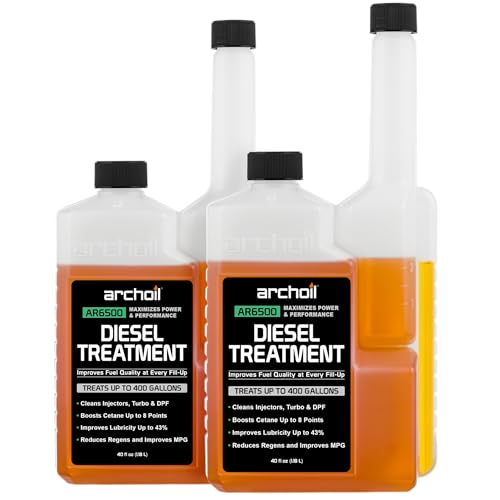
Same formula as the single Archoil AR6500, just doubled up. Two 40 oz bottles in one purchase push your total coverage up to 800 gallons, which works out to a lower per-bottle cost and fewer reorders throughout the year.
For someone who treats fuel at every fill-up and burns through serious miles, the two-pack is the practical choice. Fleet operators, contractors, and long-distance drivers tend to favor bulk formats for that exact reason, and this keeps the maintenance habit affordable.
What Helps Most
- Treats up to 800 gallons total, enough for many months of regular use.
- Lower cost per bottle than buying singles.
- Works on all diesel engines, including modern HPCR setups.
- Multi-functional formula handles lubricity, cetane, and deposit control.
Room For Improvement
- Takes up more shelf space than a single bottle.
- Two bottles can feel like overkill for someone driving low annual miles.
At A Glance
Best Suited To
High-mileage drivers, small fleets, and anyone who wants to stock up rather than reorder every month.
Skip It When
Pick the single Archoil AR6500 (40 oz) instead if you drive fewer miles and don’t want extras sitting around.
When the temperature drops, diesel fuel starts to thicken and wax crystals form, which can clog lines and filters on cold mornings. The Archoil AR6300 is built to prevent that gelling while still pulling double duty on lubricity, cetane, and DPF deposit control.
Unlike the standard AR6500, this one is positioned for cold-weather use. The two-pack format delivers 82 oz total and treats up to 550 gallons, making it a good fit for anyone who deals with harsh winters or stores equipment in unheated sheds.
Why It Works Well
- Anti-gel protection keeps fuel flowing in sub-freezing conditions.
- Two-pack delivers up to 550 gallons of coverage, ideal for the full winter season.
- Maintains lubricity and cetane alongside cold-weather defense.
- Suitable for all diesel engines, from pickups to heavy equipment.
Honest Caveats
- Specialized for cold weather, so it’s not the most useful purchase in mild climates.
- The 41 oz bottle is larger and heavier than typical maintenance doses.
Technical Sheet
Perfect Match For
Drivers and operators in cold northern climates who need anti-gel protection layered onto routine diesel care.
Reach For A Different Pick When
Choose the standard Archoil AR6500 (40 oz) instead if you live in a warm climate and don’t deal with winter gelling.
The Archoil AR6400-D is a deep-clean concentrate rather than a maintenance dose. You pour it in, drive normally, and let the concentrated chemistry scrub injector deposits, turbo vanes, and DPF soot over the course of a tank or two.
For mechanics and DIYers who like to do periodic fuel-system flushes every few thousand miles, this small bottle punches above its size. It’s also the same concentrate you’ll find inside the Archoil Diesel Fuel System Kit (AR6400-D + AR6500), but sold standalone for repeat users.
The Practical Payoff
- One 12 oz bottle treats 30 to 40 gallons, so a single dose covers a typical tank.
- Rapid-acting formula is designed for quick results without extended downtime.
- Restores injector spray patterns for smoother idle and throttle response.
- Works on injectors, turbos, and DPF in one treatment.
Points To Keep In Mind
- Not designed for daily dosing, so you’ll still want a maintenance additive afterward.
- Severely clogged DPFs may need mechanical cleaning in addition to this treatment.
Who Should Grab It
DIYers and small-shop mechanics who want to perform a focused fuel-system flush every few thousand miles.
A Better Fit Elsewhere
Pick the Hot Shot’s Secret Fuel Duo Diesel Kit instead if you want a complete clean-and-maintain pair in one purchase.
Hot Shot’s Secret takes a two-product strategy: Diesel Extreme for the deep clean and Everyday Diesel Treatment (EDT) for ongoing use. The combination is positioned for drivers who want noticeable gains in throttle response and fewer regen cycles.
The brand specifically targets both internal and external injector deposits, which is the kind of coverage that matters on high-pressure common-rail engines where even small coking can affect performance. Tuned trucks and heavy-tow setups tend to benefit most from this approach.
Bright Spots
- Targets both internal and external injector deposits for a more thorough clean.
- EDT can boost cetane up to 7 points for more complete combustion.
- Aims to reduce DPF regen cycles, which means less fuel burned during self-cleaning.
- Two-product system handles the deep clean and the ongoing maintenance in one kit.
Softer Spots
- Premium positioning means a higher upfront cost than single-bottle competitors.
- Not formulated for non-diesel engines, so don’t accidentally pour it in a gas tank.
The Right Fit
Tuned trucks, towing rigs, and performance-minded diesel owners who want a noticeable change in throttle response.
Swap It Out When
Choose the Rislone 4744-4PK DPF Clean Diesel instead if your main goal is scrubbing heavy soot out of the DPF and exhaust system.
Rislone’s DPF Clean takes a different angle than the typical fuel-system additive. It’s specifically built to scrub soot, carbon, and oily residue from the entire emissions path, including the DPF, DOC (diesel oxidation catalyst), EGR, and turbo. The four-pack format gives you enough doses to run a sustained cleaning cycle.
For drivers chasing check-engine codes related to DPF performance or excessive regen cycles, this is the targeted option. The brand also positions it as safe for vehicles still under manufacturer warranty.
A Few Strong Suits
- Designed specifically for DPF, exhaust, and emissions-system cleaning.
- Four-pack allows a multi-treatment cleaning cycle rather than a one-shot dose.
- Compatible with DOC, DPF, SCR, and DEF (diesel exhaust fluid) systems.
- Works with ULSD, biodiesel blends, and both direct and indirect injection.
Worth Bearing In Mind
- More targeted than multi-purpose additives, so it may not replace a daily maintenance dose.
- Severe DPF restrictions can require mechanical intervention beyond any additive.
Quick Facts
Whose Shelf It Belongs On
Drivers chasing DPF-related codes or excessive regen cycles who want a focused, multi-treatment cleaning plan.
Not Your Match When
Pick the Archoil AR6500 (40 oz) instead if you want an every-fill-up maintenance product rather than a periodic emissions scrub.
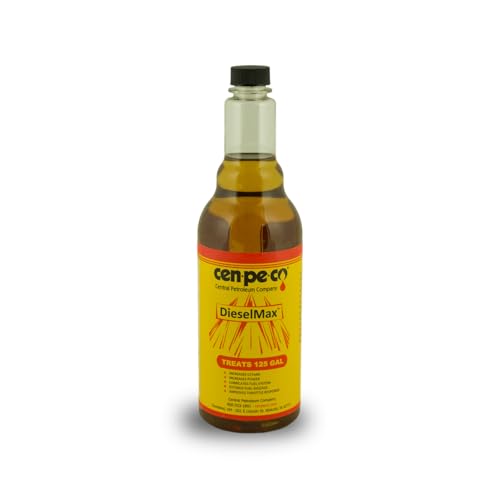
Cen-Pe-Co has been in the fuel-treatment business for decades, and DieselMax is their modernized take for high-pressure common-rail diesels. The brand specifically calls out high-volume users, which means it’s aimed at fleet managers, ag operators, and anyone running equipment hard day after day.
A 16 oz bottle treats up to 125 gallons, so the dosing works out to roughly one ounce per eight gallons of fuel. The formulation aims to extend DPF life, cut DEF fluid usage, and improve fuel economy, which is the trifecta that fleet operators tend to care about most.
Benefits That Matter
- Targets high-volume diesel users with a concentrate-style formula.
- Aims to extend DPF life and reduce regen frequency.
- May help reduce DEF (diesel exhaust fluid) consumption in SCR-equipped trucks.
- Adds lubricity and cetane alongside the cleaning action.
Possible Compromises
- Smaller bottle than competitors, so high-volume users go through it faster.
- Positioned more for fleet and commercial use than weekend drivers.
Built With In Mind
Fleet managers, ag operators, and commercial truck owners who burn through serious fuel volume.
Where A Sibling Pick Shines
Choose the Archoil AR6500 Two Pack instead if you want larger bottles and longer coverage for personal-vehicle use.
Choosing A Diesel Additive That Actually Helps Your Engine
A good DPF cleaner and cetane improver should match both your engine and your driving pattern. Daily drivers benefit from pour-in-at-every-fill-up maintenance products, while trucks that sit for weeks or run heavy towing loads often need a two-step clean-and-maintain approach. Cold-climate operators should look for anti-gel protection layered onto the usual deposit-fighting chemistry.
Pay attention to treatment ratios. A bottle that treats 400 gallons sounds impressive until you realize that’s 20 fill-ups at 20 gallons each, which is roughly four months of driving for many pickup owners. Two-packs and bulk formats tend to win on per-gallon cost over the long run.
Engine compatibility matters too. Modern high-pressure common-rail (HPCR) systems are sensitive to solvent-heavy formulas, so always confirm a product is rated for your specific injection type. Biodiesel blends, direct injection, and SCR/DEF systems all have their own quirks worth checking before you buy.
Finally, separate maintenance additives from recovery treatments. A periodic deep-clean concentrate has its place, but it isn’t a substitute for routine use. The most common mistake is treating a maintenance product like a one-shot fix and then wondering why nothing changed after a single dose.
Key Considerations Across These Picks
Common Shopping Slip Ups
The biggest trap is treating additives as a substitute for mechanical repair. A fuel treatment won’t fix a failed DPF substrate, a stuck EGR valve, or a cracked injector. They’re meant to prevent problems and handle light-to-moderate buildup, not reverse serious mechanical failure. Another frequent mistake is over-dosing. More isn’t better, and sloshing in extra concentrate won’t accelerate the chemistry.
What The Higher Tier Buys
Premium kits pair a deep-clean concentrate with a maintenance bottle, which gives you a structured clean-then-protect approach. The extra money typically buys higher-quality base oils for lubricity, more refined cetane improvers, and broader compatibility with newer emissions systems. For trucks under warranty or vehicles facing stricter emissions testing, that extra refinement can be worth the step up from a single-bottle maintenance dose.
Frequently Asked Questions
How often should I use a DPF cleaner fuel additive?
Most maintenance products are designed for use at every fill-up, while deep-clean concentrates are typically used every 5,000 miles or as needed. Following the label’s dosing schedule matters more than guessing.
Can fuel additives actually clean a clogged DPF?
Additives can help with light-to-moderate soot buildup and may reduce regen cycles, but a severely clogged DPF usually needs professional mechanical service. Think of additives as prevention and light maintenance, not a guaranteed fix.
Do I need a separate anti-gel product in winter?
Standard cetane and lubricity additives don’t address fuel gelling in cold weather. If you regularly operate in sub-freezing temperatures, a winter-specific formula with anti-gel protection is worth the seasonal switch.
Will using a fuel additive void my vehicle’s warranty?
Most reputable additives are formulated to be safe for new vehicles and explicitly state they won’t void manufacturer warranties. Still, check your owner’s manual and warranty terms before use, especially on late-model emissions-controlled trucks.
Is a two-pack or bulk format actually cheaper?
Bulk formats usually lower the per-bottle cost, but only buy what you’ll use within the product’s shelf life. Storing half-used bottles for years won’t save money if the chemistry loses potency before you finish them.
Closing Remarks
The right diesel additive depends on what your engine needs: routine maintenance, a one-time deep clean, cold-weather protection, or an emissions-system scrub. For most daily drivers, a maintenance bottle poured in at every fill-up is the easiest habit to build. For neglected systems or performance trucks, a two-step clean-and-maintain kit tends to deliver more noticeable results. Pick the format that matches your mileage and climate, and stick with it consistently.