Soap scum has a way of creeping up on you. One week your glass shower door looks fine, the next there’s a milky haze clinging to tile and a chalky ring circling the tub. Hard water makes it worse, layering minerals into the residue so it sticks like cement. Most kitchen counters handle a quick wipe-down, but bathrooms need something that actually dissolves the film rather than smearing it around.
The picks below cover everything from spray-and-wipe everyday options to heavy-duty pastes designed for stubborn buildup. Some handle the whole house. Others are built for one job. Your bathroom routine, the severity of your buildup, and how much scrubbing you want to do will point you toward the right bottle.
A Quick View Of The Lineup

Lysol All Purpose Cleaner Spray, Lemon, 32oz

Clorox Disinfecting All-Purpose Cleaner, 32 fl oz
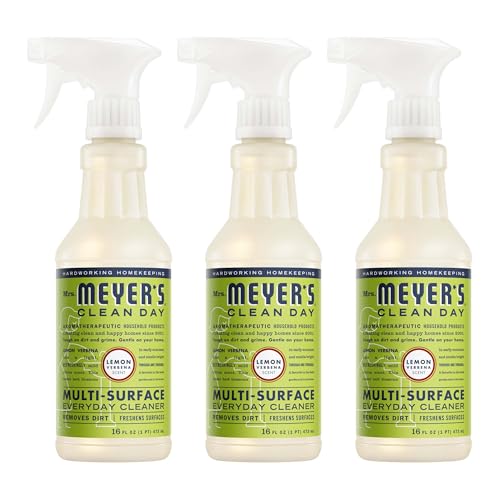
Mrs. Meyer’s Clean Day Cleaner Spray, Lemon Verbena, 16 fl oz, 3 Pack

STAR BRITE Instant Hull Cleaner

STAR BRITE Instant Hull Cleaner, 32 Oz Gel Spray

Mrs. Meyer’s Clean Day Multi-Surface Cleaner, 16 fl oz

Uncle Todd’s Hard Water Stain Remover & Soap Scum Shower Cleaner, Mint Paste, 16 Oz
More On The Choices That Made The List
Lysol’s lemon-scented spray has lived on grocery and big-box shelves for years, and the 32-ounce bottle covers a lot of ground. It’s a multipurpose formula designed to handle everyday messes across kitchens, bathrooms, and high-touch surfaces. For weekly wipe-downs in homes where soap scum hasn’t yet hardened into a geological feature, it does the job without extra steps.
The trade-off shows up in older bathrooms with years of mineral buildup. A quick spritz and wipe helps light film, but thick, layered scum tends to need dwell time and some elbow grease. Treat it as maintenance spray rather than restoration spray, and you’ll likely be happy with the lemon-fresh result.
The Case For It
- Versatile across counters, tubs, tile, and high-touch spots
- Lemon scent leaves a noticeable fresh note in the room
- Available in a generous 32-ounce bottle for regular use
- Spray-and-wipe format fits fast weekday cleaning routines
Things To Consider
- Thick, layered buildup often needs longer dwell time than a quick spritz
- Strong fragrance may bother scent-sensitive households
Who Will Love This
Renters and homeowners who want one bottle to handle kitchen counters, bathroom surfaces, and doorknobs in a single weekly pass.
Look Elsewhere When
Uncle Todd’s Mint Paste is the better call for showers with years of hardened hard water buildup that spray cleaners struggle to penetrate.
Clorox’s bleach-free formula is built for households that want disinfecting strength without the harsh chlorine smell. The 32-ounce bottle pulls double duty across kitchen counters and bathroom surfaces, lifting grease, grime, and fresh soap film in the same pass. For shared family bathrooms, that’s a useful combination.
Compared to the Lysol spray above, this one skips the strong fragrance and aims more squarely at disinfectant cleaning. Owners commonly report that light soap film wipes away on contact, though truly stubborn buildup still calls for a second round and a scrub pad.
Useful Strengths
- Bleach-free formula keeps fumes gentler for shared spaces
- Cuts grease and grime on most sealed surfaces and countertops
- Disinfects while it cleans, saving a second wipe-down
- Standard 32-ounce size keeps refills simple
Worth Noting
- Always test on a hidden spot first, as some stone and finished wood can react poorly to disinfectant formulas
- Heavy soap scum in neglected showers will need repeated applications rather than a single pass
Feature Snapshot
Built With In Mind
Families juggling shared bathrooms who want disinfecting and soap-scum lifting handled in one bottle without chlorine odor.
Consider Something Else When
Mrs. Meyer’s Clean Day Multi-Surface Cleaner is a softer pick for scent-sensitive households that don’t need heavy-duty disinfecting.
Mrs. Meyer’s leans into garden-inspired scent territory with this three-pack of Lemon Verbena spray. Each 16-ounce bottle is sized for tucking under the kitchen sink, in a hall closet, or in a guest bathroom caddy. The brand’s cruelty-free positioning and Leaping Bunny certification appeal to households reading labels more carefully than they used to.
For fresh soap film on non-porous surfaces, the spray works well enough. The honest read is that thicker, mineral-laden buildup isn’t its strong suit, so homes with severe hard water may want to pair it with a heavier-duty product for the monthly deep clean.
Standout Benefits
- Lemon Verbena scent reads light and clean rather than chemical
- Three-pack format suits multi-room households
- Cruelty-free formulas and Leaping Bunny certification
- Works on sealed non-porous surfaces without rinsing
Trade Offs
- Not formulated for thick, mineral-heavy soap scum in neglected showers
- Smaller 16-ounce bottles run out faster than 32-ounce competitors
Whose Shelf It Belongs On
Scent-conscious households and renters who want a pleasant-smelling spray for routine wipe-downs without harsh chemical notes.
Skip It When
Uncle Todd’s Mint Paste makes more sense for showers where hard water has already left a chalky ring around the glass and tile.
STAR BRITE sits firmly in the marine category, formulated to dissolve waterline stains on boat hulls, fiberglass, and painted surfaces. The active ingredient is oxalic acid, a compound that breaks down rust, dried fish blood, grass, and leaf staining on contact. Boat owners keep a bottle in the dock box for seasonal touch-ups.
The formula uses oxalic acid rather than harsher hydrochloric or phosphoric alternatives, which makes it more user-friendly for the careful owner. For readers thinking about household bathrooms, the chemistry overlaps with mineral-stain removal but the formulation is tuned for gelcoat and marine paint rather than tile.
Benefits That Matter
- Oxalic acid formula lifts rust, blood, and leaf stains on marine surfaces
- Safer profile than hydrochloric or phosphoric acid hull cleaners
- Works on fiberglass, plastic, and painted hull materials
- Targets the waterline stripe that’s notoriously hard to scrub off
Points To Keep In Mind
- Designed for boats, not bathroom tile, so check material compatibility before any indoor use
- Liquid formula may run on vertical hull sections, reducing contact time
Quick Facts
Made For
Boat owners handling seasonal waterline cleaning on fiberglass hulls who want stain-lifting chemistry without the harshest acids.
Reach For A Different Pick When
The STAR BRITE 32 oz Gel Spray is a better match for vertical hull sides where a thinner formula would slide off before it works.
The gel-spray version of STAR BRITE’s hull cleaner tackles the same stains as the liquid above, but the thicker formula sticks where you put it. That’s a meaningful upgrade on vertical hull sections and transoms, where thinner products tend to drip away before they finish working. You can see the chemistry do its job rather than running off.
The 32-ounce bottle covers a full hull detail without needing a refill mid-job. Same marine-specific use case as its sibling pick, just tuned for the parts of the boat where gravity works against you.
Notable Gains
- Gel formula clings to vertical surfaces for longer contact
- Same oxalic acid chemistry as the liquid version, just thicker
- Targets scum lines along the hull-to-waterline zone
- 32-ounce size handles a full detail in one bottle
Honest Caveats
- Marine-specific formulation, so indoor bathroom use requires careful surface testing
- Thicker formula needs more rinsing effort than spray-on liquids
Right Fit For
Boat owners dealing with stubborn vertical hull stains who need the chemistry to actually sit on the surface long enough to work.
A Better Fit Elsewhere
The original STAR BRITE Instant Hull Cleaner liquid is easier to spread on flat hull bottoms where drip isn’t an issue.
This single-bottle Lilac-scented option from Mrs. Meyer’s fills the gap for shoppers who like the brand’s approach but don’t need a three-pack. The 16-ounce size fits in a caddy, tucks into a small cleaning closet, and handles non-porous surfaces throughout the apartment.
Compared to the three-pack above, you’re trading volume for a single scent and less storage commitment. For light soap film on tile and counters, it works as expected. For thicker buildup in older bathrooms, plan on a dedicated deep-clean product.
A Few Highlights
- Lilac scent offers a floral alternative to citrus cleaners
- Compact 16-ounce bottle fits apartment-sized storage spots
- Safe for sealed hardwood, tile, and countertops per the brand
- Cruelty-free formula aligned with Mrs. Meyer’s broader line
Less Ideal Details
- Light-duty formula struggles with thick, layered soap film
- Smaller bottle runs out faster than 32-ounce alternatives
Best Suited To
First-time renters and small-space dwellers who want one pleasant-smelling bottle to handle everyday wipe-downs across a compact home.
Swap It Out When
The Mrs. Meyer’s three-pack is the smarter pick once you know you like the brand and want bottles staged in multiple rooms.
Uncle Todd’s comes in a paste format, which sets it apart from every spray on this list. The mint-scented formula targets calcium, lime, and rust, the trio of minerals that harden into that cloudy haze on glass shower doors. Paste clings to vertical tile the way spray can’t, so it stays in contact with the stain long enough to break it down.
For bathrooms with years of hard water buildup, this is the heavy hitter. For routine weekly wipe-downs, it is more product than you need. Most owners keep it as the monthly deep-clean companion to a gentler everyday spray, rather than the daily driver.
Why It Works Well
- Paste formula clings to vertical tile and glass without dripping
- Breaks down calcium, lime, and rust buildup specifically
- Mint scent leaves a fresher note than most mineral-stain products
- Formulated and packaged in the USA per the brand
Practical Considerations
- Paste requires more scrubbing effort than spray-on alternatives
- Overkill for light weekly maintenance where simpler sprays suffice
Feature Card
Perfect Match For
Homeowners dealing with severe hard water staining on shower glass and tile who need a paste that stays put while it works.
Not Your Match When
Lysol All Purpose Cleaner handles the job for households with light weekly buildup who want one bottle for kitchen and bath.
Picking The Right Cleaner For Your Bathroom Reality
Hard water tells on a shower before anything else. The chalky ring around the tub and the cloudiness on glass come from calcium and magnesium bonding with soap residue, and once that film hardens, a basic spray won’t shift it. Knowing whether you’re fighting fresh soap film or mineral-laden buildup changes which cleaner earns a spot under the sink.
Start with your water. In soft-water regions, weekly spray-and-wipe with a multipurpose formula covers most needs, and a scented option like Mrs. Meyer’s makes the chore less of a slog. In hard-water areas, the mineral content turns soap film into cement within days, so a paste-formula remover or a dedicated bathroom cleaner earns its place alongside the everyday spray.
Surface compatibility matters too. Sealed tile, porcelain, and fiberglass tolerate most formulas, but natural stone, certain finished woods, and some painted surfaces react poorly to acid-based or disinfectant cleaners. Spot-test any new product in a hidden corner before you commit to a full pass, especially on stone shower thresholds or older tub surrounds.
For shared family bathrooms, a bleach-free disinfectant that handles soap film and germs in one pass saves time. For single-occupant homes, a gentler scented spray often does the job without the chemical afterglow. Marine-grade hull cleaners technically dissolve similar mineral stains, but their formulations target gelcoat and boat paint, not bathroom tile, so reaching for them indoors requires careful surface testing.
Key Considerations Across These Picks
Common Shopping Slip Ups
Reaching for the strongest cleaner when light weekly maintenance would do is a common overcorrection. Harsh formulas cost more per ounce, leave stronger residue, and risk damaging sealed surfaces over time. Match the cleaner to the job, not the job to the strongest product in the cabinet.
Ignoring scent and ventilation is the other easy miss. Bathrooms are small, enclosed spaces, so a heavy lemon or bleach-free disinfectant scent lingers longer than it would in an open kitchen. Scent-sensitive households do better starting with a lighter garden-inspired spray and adding heavier products only as needed.
What The Higher Tier Buys
Premium paste-format removers earn it through cling time on vertical surfaces, where sprays run off before they finish working. That extra contact time is what shifts years of mineral buildup, and for hard-water households, that chemistry gap is the difference between a monthly deep clean that works and one that just smears the haze around. Paying more for a specialty formula makes sense the moment standard sprays stop keeping up.
Frequently Asked Questions
What actually dissolves soap scum fast?
A combination of mild acid and surfactants breaks down soap film by loosening the bond between soap residue and mineral deposits. Sprays work on fresh buildup, while paste formulas cling longer for hardened layers.
Can one cleaner handle the whole house?
Multipurpose sprays cover counters, tubs, and tile in a single bottle for weekly routines. For severe mineral buildup in the shower, a dedicated paste or bathroom cleaner handles the heavy lifting alongside the everyday spray.
How often should you clean a shower to prevent buildup?
A quick spray-and-wipe after the last shower of the day stops film before it bonds with minerals. In hard-water areas, a deeper monthly clean keeps the glass and tile from developing that cloudy haze.
Are bleach-free disinfectants strong enough for bathrooms?
Bleach-free formulas still handle everyday germs and soap film on most surfaces. For households that want disinfecting power without chlorine odor, they offer a reasonable middle ground.
Will any of these damage natural stone?
Acid-based and some disinfectant formulas can etch marble, travertine, and other natural stone. Always spot-test in a hidden area, and reach for a stone-safe cleaner if your threshold or surround is unsealed stone.
Closing Remarks
The right cleaner depends on how hard your water runs, how often you wipe down the shower, and whether you want one bottle or a tag-team approach. Sprays handle the weekly pass, pastes take the monthly shift. Pick what fits your bathroom reality, and the haze stops being a permanent feature.