Central vacuum hoses earn their keep in busy homes, workshops, and renovation projects. The right hose or fitting turns a stubborn cleaning routine into quick work, while the wrong pick leaves you wrestling kinks, weak suction, or furniture scratches. You’re sorting through fittings, replacement hoses, padded covers, and shop-vac adapters, and the options blur together fast. This roundup walks through eight solid picks, covering the hidden pipe fittings behind the wall, the long replacement hose for whole-home cleaning, the padded sleeve that protects baseboards, and several shop-vac hose kits for tool dust collection.
How The Shortlist Stacks Up
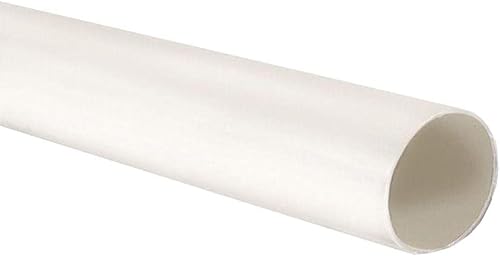
Central Vacuum Fittings 47″ Pipe

Cen-Tec 50 Ft. Commercial Vacuum Hose
POWERTEC 70347 Dust Collection Hose Kit

OVO Universal Padded Hose Cover

POWERTEC 70498 Shop Vacuum Hose Kit

POWERTEC 70480 20 ft Shop Vac Hose
POWERTEC 70356 Vacuum Hose Kit
POWERTEC 70175 Dust Collection Hose Kit
A Closer Look At Each Pick
Plumbing a central vacuum system through walls, crawl spaces, and joists means dealing with 90-degree turns, short elbows, and electric inlet terminations. This 47-inch pipe fitting addresses those routing headaches directly, giving installers a manageable length to thread through tight cavities. Unlike the hoses covered later on this list, this isn’t something you’ll grab to clean the living room. It lives behind drywall, doing its job silently.
The 90-degree sweep and short 90 elbow handle the typical corners you hit when running PVC between studs and floor joists. The electric inlet terminates the run with a low-voltage contact point that wakes the central unit when you insert a hose. Homeowners retrofitting a basement workshop or finishing out a bonus room will find this fitting saves a trip to a specialty plumbing supplier.
Where It Excels
- Solves behind-the-wall routing puzzles that generic PVC can’t handle on its own
- Short 90 elbow saves space inside narrow stud cavities
- Electric inlet ends the pipe run with a usable cleaning port
- 47-inch length splits nicely across typical stud bay spans
Practical Considerations
- Requires basic PVC cement knowledge and measuring skills to install cleanly
- One fitting solves one routing challenge, so plan your full pipe run before ordering
- Working in finished walls means cutting access openings you’ll need to patch
Right Fit For
DIYers adding a central vacuum inlet to a basement, garage, or addition where the wall framing is already exposed or accessible.
Skip It When
The POWERTEC 70347 Dust Collection Hose Kit covers your situation better if you’re wiring up shop-vac dust collection rather than plumbing inlets behind drywall.
Fifty feet of hose changes how you clean a whole home, especially if your central vacuum’s original hose finally cracked or tangled itself into uselessness. Cen-Tec’s commercial-grade hose uses a 2-inch diameter and a crush-proof build that survives being rolled over by a chair leg or stepped on repeatedly. You can cut it to whatever length you need from the 50-foot roll, which makes it a smart choice if your last hose was custom-cut.
The smooth interior keeps suction strong over distance, so debris moves efficiently from the wand end to the central unit. It works in dry vacuum setups, wet/dry commercial rigs, car wash vacuums, and extraction equipment, which gives it flexibility beyond just central vacuum replacement. Large homes with multiple inlet ports benefit most, since one hose reaches them all without swapping.
Real-World Strengths
- Crush-proof construction handles foot traffic across hallways and doorways
- Cut-to-length design lets you size it precisely to your cleaning reach
- 2-inch diameter supports strong airflow for pet hair and coarse debris
- Smooth interior walls reduce clogging over the hose’s lifetime
Honest Caveats
- 50 feet is heavier than a standard 30-foot replacement hose, so longer sessions tire your wrist
- You’ll need to add your own inlet valve cuff or attachment to match your existing wand and inlet style
- Bulk-coil storage takes more closet space than factory-precut hoses
Quick Facts
Whose Shelf It Belongs On
Owners of large multi-story homes whose central vacuum hose has finally worn out and who want one replacement that covers every room.
A Better Fit Elsewhere
The OVO Universal Padded Hose Cover suits you better if your existing hose still works fine but keeps scuffing trim and furniture legs.
Switching dust collection between a sander, a miter saw, and a random orbital sander usually means a drawer full of mismatched adapters. The POWERTEC 70347 kit solves that with five interchangeable fittings that thread onto a single 10-foot hose, sized to land on the common 1-inch and 1-1/2-inch tool ports most woodworking dust chutes use. Two reducers in the kit cover either 2-1/4-inch or 2-1/2-inch shop-vac inlets.
The hose stays small and flexible on purpose, so it tracks the tool as you move instead of dragging the sander off your workpiece. You trade some airflow for that maneuverability, which is the honest compromise every small-diameter dust hose makes. Garage woodworkers running a compact shop vacuum will find this kit hits the sweet spot between reach and agility.
Strengths Worth Knowing
- Five fittings cover nearly every common tool dust port you’ll encounter
- Flexible hose follows hand movement without dragging tools around
- 10-foot length reaches a miter saw at the back of the bench from a centrally placed vac
- Screw-on adapters swap quickly between tools without rummaging for parts
Where It May Fall Short
- Smaller diameter sacrifices some suction compared to a 2-1/2-inch hose
- Best paired with smaller shop vacuums, not large stationary dust collectors
- 10-foot reach means moving the vacuum for tools placed far apart
Best Suited To
Hobbyist woodworkers with a single wet/dry shop vacuum and a benchtop fleet of sanders, saws, and routers.
Look Elsewhere When
The POWERTEC 70498 Shop Vacuum Hose Kit suits you better if you need four adapter sizes bundled in a lighter EVA hose for less wrist fatigue.
Central vacuum hoses have a way of finding the one piece of painted baseboard or antique chair leg in the room. The OVO padded cover wraps your existing 35 to 37-foot hose in quilted fabric that softens every bump. It zips on in minutes and stays put while you work, which is genuinely useful in homes with wood trim that shows every scuff.
Where this cover earns its value is in homes with pets and young kids, since the padding absorbs the daily knocks a bare plastic hose would leave behind. Machine washable construction means it handles the dust and hair buildup that accumulates on a frequently used hose. It fits most universal hoses in the standard length range, so you won’t have to measure twice before ordering.
The Case For It
- Padded sleeve protects baseboards, chair legs, and door frames from scuffs
- Zipper installation takes minutes and stays secure during use
- Machine washable fabric handles dust, hair, and grime over time
- Universal fit covers the most common central vacuum hose lengths
Worth Bearing In Mind
- Designed for hoses in the 35-37 ft range, so check your hose length before ordering
- Adds slight bulk to the hose, which tightens reach in cramped corners
- Light-colored fabric will show transferred dirt between washes
Feature Snapshot
Who Should Grab It
Homeowners whose central vacuum hose still works perfectly but causes minor scuff damage to finished woodwork or walls during regular use.
Swap It Out When
The Cen-Tec 50 Ft. Commercial Vacuum Hose makes more sense if the underlying hose is cracked, stiff, or too short for your home’s footprint.
Four interchangeable tool-port adapters cover 3/4-inch, 1-inch, 1-1/4-inch, and 1-1/2-inch dust ports in a single kit, which means you stop guessing which adapter fits which tool. The POWERTEC 70498 kit pairs that versatility with a lightweight EVA hose (1-inch ID, 1-1/4-inch OD) that flexes easily without kinking. Owners commonly report that the lighter hose makes long sanding sessions noticeably easier on the wrist.
The 10-foot length lands right in the middle for typical garage and basement workshops, where the shop vacuum sits at one end and the bench tools run along a wall. A 2-1/4-inch hose adapter lands the kit on most standard wet/dry shop vacuum ports without needing reducers. It’s a step up from the basic kits on this list for anyone juggling more than two or three tools.
Points In Its Favor
- Four tool-port adapters handle nearly every dust chute you’ll encounter
- Lightweight EVA construction reduces arm fatigue during long sessions
- 10-foot reach covers most bench-and-vac layouts without moving equipment
- Direct 2-1/4-inch shop-vac adapter simplifies initial hookup
Things To Weigh Up
- Smaller diameter means reduced airflow compared to a 2-1/2-inch hose
- Limited reach if the shop vacuum sits far from your primary workbench
- Adapter swapping becomes routine when rotating between several tools
At A Glance
Made For
Garage woodworkers running multiple sanders and saws off a single wet/dry shop vacuum who want one hose that adapts to each tool.
Consider Something Else When
The POWERTEC 70480 20 ft Shop Vac Hose fits your shop better if the vacuum sits farther from your main tool cluster and you need extra reach.
Twenty feet of hose covers a lot of ground, and in larger workshops that’s the difference between dragging the vacuum across the floor every five minutes and actually finishing a project. The POWERTEC 70480 ships with adapters for both 2-1/4-inch and 2-5/8-inch vacuum inlet ports, which covers most wet/dry shop vacuums on the market. The 2-inch ID / 2-1/4-inch OD hose diameter keeps airflow strong for capturing heavier sawdust and chips.
The trade-off is weight and stiffness. Twenty feet of hose, even in EVA, becomes noticeable when you’re chasing a sander across a workpiece. Workshops with tools spread along a long wall, or users who keep their vacuum parked at one end of a long garage, get the most from this length. Compare that to the 10-foot kits earlier on this list, and the difference shows up clearly in larger spaces.
Real Benefits
- 20-foot reach covers multi-tool workshops without moving the vacuum
- Dual vacuum-port adapters handle 2-1/4″ and 2-5/8″ inlets out of the box
- Larger 2-inch internal diameter preserves suction for heavier debris
- EVA construction balances flexibility with durability for daily use
Some Limits To Know
- Extra length adds weight that becomes noticeable during hand-held sanding
- Requires adequate hose storage space when not in use
- Longer hose can slightly reduce effective suction compared to shorter runs
Built With In Mind
Workshop owners with stationary tools spread across a long wall or garage bay who park their shop vacuum in one corner.
Reach For A Different Pick When
The POWERTEC 70356 Vacuum Hose Kit covers your benchtop sanding station better if your tools cluster within a few feet of the vacuum.
Small benchtop sanders and trim routers don’t need a 20-foot hose dragging around behind them. The POWERTEC 70356 ships a 10-foot, 1-1/4-inch OD hose with just the fittings you actually use: a 1-inch and a 1-1/2-inch pliable plastic connector, plus a 2-1/4-inch to 2-1/2-inch dust hose adapter. Fittings use left-hand internal threads, so they seat firmly and resist vibrating loose during extended use.
You trade bulk and complexity for a tidy setup that lives next to the bench and stays out of the way. Owners commonly mount this kit near a workbench and leave it there, plugging tools in as needed rather than rolling out a full dust collection system. For someone whose workshop is really a corner of the basement or a one-car garage, this kit fits the scale.
Where It Helps
- Compact 10-foot hose tucks beside a workbench without cluttering the floor
- Left-hand threads keep fittings secure during extended tool use
- Covers the two most common tool port sizes in a single kit
- Dust adapter fits standard 2-1/4″ to 2-1/2″ shop-vac inlets
Small Caveats
- Limited adapter selection means swapping for larger tool ports requires extra parts
- 10-foot reach restricts placement if the vacuum sits far from the bench
- Smaller diameter reduces airflow compared to larger workshop hoses
Key Product Details
Perfect Match For
Hobbyists with a single benchtop sander or trim router and a nearby shop vacuum who want a tidy, dedicated hose.
Another Choice May Suit
The POWERTEC 70347 Dust Collection Hose Kit fits your needs better if you run more than two tools and want extra adapter sizes in the box.
The POWERTEC 70175 is the entry point on this list, and for many first-time shop-vac dust collection users that’s exactly the right place to start. Four interchangeable fittings handle tools with 1-inch and 1-1/2-inch OD dust ports, and the kit includes two reducers that match either 2-1/4-inch or 2-1/2-inch shop vacuum inlets. Screw-on adapters swap out by hand, no tools required, which matters when you’re moving between sander and saw mid-project.
The hose is intentionally small and flexible so it follows hand tools without dragging them off the workpiece. You give up some suction compared to larger-diameter hoses, which is the standard trade-off at this size. Beginners setting up their first workshop dust collection system get a forgiving kit that grows with them as they add tools.
Well-Handled Touches
- Four fittings cover the standard 1″ and 1-1/2″ tool dust ports
- Two reducers handle either common shop-vac inlet size
- Flexible hose tracks tool movement without resistance
- Screw-on adapters swap quickly between projects without tools
A Few Limitations
- Smaller diameter limits airflow for heavy chip loads
- 10-foot reach requires repositioning for tools placed far apart
- Lightweight hose can kink at sharp bends if routed aggressively
Who Will Love This
First-time shop-vac owners building a basic dust collection setup around a single wet/dry vacuum and a few handheld power tools.
Not Your Match When
The POWERTEC 70498 Shop Vacuum Hose Kit works better for you if you’ve already expanded your tool fleet and need four dedicated tool-port adapters in one box.
What Matters Most Before Choosing central vacuum hoses
Choosing the right hose or fitting comes down to where it lives and what it connects to. Behind-the-wall plumbing fittings, whole-home replacement hoses, padded covers, and shop-vac dust collection kits solve very different problems, and grabbing the wrong one wastes time and money. A few attributes tend to drive the decision more than anything else.
Hose Diameter and Airflow
Hose diameter controls how much air moves through the system per second. A 2-inch central vacuum hose moves debris quickly and resists clogging from pet hair or coarse particles. Smaller 1-1/4-inch shop-vac hoses trade that airflow for flexibility, which matters when you’re chasing a sander across a workpiece. Diameter, sometimes expressed as ID (inner diameter) or OD (outer diameter), should match the inlet on your vacuum and the dust port on your tool, otherwise you’ll be cobbling together adapters.
Length and Reach
Length sounds straightforward, but it interacts with hose weight and storage. A 50-foot hose reaches every inlet in a large home, yet becomes tiring over a full cleaning session. A 10-foot shop-vac hose stays light and agile but forces you to move the vacuum more often. Think about the distance between your inlet (or vacuum) and the farthest point you actually clean, then add a foot or two of slack.
Fitting and Adapter Coverage
Adapters determine whether a hose kit actually plugs into your tools. Tool dust ports come in 3/4-inch, 1-inch, 1-1/4-inch, and 1-1/2-inch sizes, while shop-vac inlets usually land at 2-1/4-inch or 2-1/2-inch. Kits that bundle multiple adapters save you from buying extras later. Left-hand threads on some fittings resist loosening during vibration, which is worth checking if you run a sander for long stretches.
Build Material and Durability
Crush-proof commercial hoses survive being stepped on or rolled over, which matters in homes with kids and pets. EVA hoses stay flexible in cold workshops where standard plastic stiffens. Padded fabric sleeves add a soft outer layer that protects furniture and trim during whole-home cleaning. Each material solves a different durability problem, and the right pick depends on where the hose gets used and abused most.
Key Considerations Across These Picks
Pitfalls Shoppers Hit
The most common mistake is buying a hose without checking the inlet size on your existing vacuum or wall port. A 1-1/4-inch hose simply doesn’t fit a 2-1/2-inch central vacuum inlet without an adapter, and many shoppers discover this after the box arrives. Another trap is choosing a 50-foot replacement hose when a 35-foot model covers every room, leaving you to wrestle extra length during routine cleaning. Measure first, then buy.
What The Higher Tier Buys
Premium hoses in this category earn their price through build quality and adapter coverage. A commercial-grade crush-proof hose lasts years longer than a basic plastic one in a busy household, especially with pets. Kits that bundle five or six adapters replace a drawer of mismatched parts and let you rotate between tools without hunting for the right connector. Spending up front usually means fewer replacements and adapters later.
Frequently Asked Questions
How long should a central vacuum hose be?
Most homes do well with a 30 to 40-foot hose, since that covers multiple rooms from one inlet without strain. Larger multi-story homes often benefit from 50 feet to reach every inlet. Shorter hoses are easier to handle but force more frequent inlet swaps.
Can a shop-vac hose work with a central vacuum system?
Not directly, since central vacuum systems use low-voltage electric inlets and different cuff styles than shop vacs. Some adapters bridge the gap, but airflow and durability tend to suffer. A purpose-built replacement hose like the Cen-Tec 50-foot option handles the role much better.
What size adapter do I need for my power tool dust port?
Most handheld power tools use 1-inch or 1-1/2-inch OD dust ports, while benchtop saws often use 2-1/2-inch ports. Measure the dust outlet on your tool before ordering a hose kit, then match the adapter size to the included fittings. Kits that ship multiple adapters save a return trip.
Do padded hose covers really protect baseboards?
Yes, the quilted padding absorbs the scuffs and dings that bare plastic hoses leave on painted trim and furniture legs. You’ll notice the difference most in homes with white baseboards or antique furniture where every mark shows. The cover also reduces noise as the hose bumps along walls.
How often should shop-vac dust collection hoses be replaced?
A flexible EVA hose typically lasts several years of regular workshop use before stiffening or cracking. Heavy daily use in a production shop shortens that timeline. Watch for kinks that don’t straighten out and splits near the cuffs, both signs the hose needs swapping.
Closing Remarks
The right central vacuum hose or fitting depends almost entirely on where and how you clean. Whole-home cleaning rewards a long, durable hose with a padded cover, while shop-vac dust collection leans toward flexible hoses with the right adapter set. Take a few minutes to measure your inlet size, check your tool dust ports, and picture where the hose will actually live. That clarity turns a confusing shortlist into one obvious pick, and you’ll spend less time wrestling equipment and more time actually cleaning.