A rough idle or a stuck lawn mower doesn’t always mean a trip to the shop. Often, the fuel system itself is the culprit, clogged by varnish, carbon, or moisture from sitting too long. The right additive can clear carburetor passages, restore injector spray patterns, and protect older engines from dry-out. This roundup covers eight options worth a look, from heavy-duty multi-purpose treatments to small-engine rescue formulas.
An Overview Of The Picks

Sea Foam Motor Treatment, 16 oz (Pack of 3)
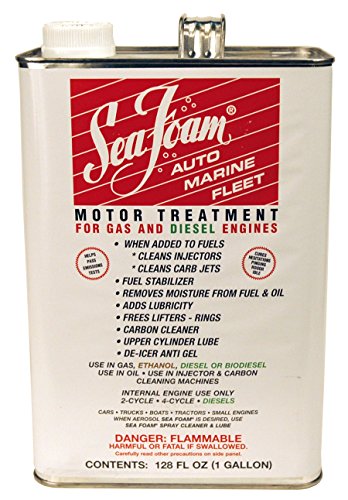
Sea Foam SF128 Motor Treatment, 1 Gallon

Mercury 8M0047931 Quickleen Engine Cleaner, 12 oz

Liqui Moly Valve Clean, 150 ml (12-Pack)

Quicksilver Quickleen Engine and Fuel System Cleaner

Gumout 510021W Fuel System Cleaner, 6-Pack

STA-BIL Fast Fix Small Engine Treatment, 8 oz

Red Line 60103 SI-1 Fuel System Cleaner, 15 oz
Why These Options Stand Out
A bottle of Sea Foam has lived in more garage shelves than almost any other additive, and this three-pack keeps the supply steady without constant reordering. The formula runs through fuel injectors (the small nozzles that spray gasoline into the engine), carburetor passages, and combustion chambers, dissolving varnish (a hard, shiny residue left by old fuel) along the way.
It works in gasoline, diesel, and ethanol-blended fuels, which makes it a single solution for households running mixed vehicles. Many owners reach for it on a routine schedule, around every 3,000 miles, to keep rough idling and hesitation from creeping back in.
Notable Upsides
- Three-pack format covers multiple vehicles or a long stretch of routine use
- Compatible with gas, diesel, and ethanol blends for flexible garage duty
- Petroleum-based formula avoids harsh detergents that some owners prefer to avoid
- Works as both a cleaner and a stabilizer for stored equipment
Things To Consider
- Treating a large tank requires several ounces, so smaller bottles drain quickly for fleet use
- Strong solvent smell during use, so ventilate the work area
Built With In Mind
Daily drivers and weekend garage tinkerers who want one product that handles both a carburetor clean-up and seasonal fuel stabilization.
Where Another Pick Suits Better
For larger fleets or workshop volume, the Sea Foam SF128 Motor Treatment offers the same chemistry in a one-gallon container that costs less per ounce.
The SF128 is the same Sea Foam chemistry as the 16-ounce bottle, just scaled up to a gallon for heavier use. Small engine shops, tractor owners, and anyone running multiple carbureted machines will appreciate not having to constantly reorder.
It also doubles as a fuel stabilizer that resists evaporation and gum formation (sticky deposits that clog carburetor jets) for up to two years of storage. The petroleum-only formula means no abrasive detergents that could threaten older seals or gaskets.
The Upside
- One-gallon format lowers cost per ounce for high-volume users
- Stabilizes stored fuel for up to two years, ideal for seasonal equipment
- Petroleum-based formula is gentle on seals and older engine components
- Adds upper-cylinder lubrication at higher temperatures
Worth Noting
- Bulk jug needs a dedicated storage spot away from heat sources
- Overkill for owners with a single car who won’t go through it quickly
Whose Shelf It Belongs On
Small engine repair shops, farm operators, and serious hobbyists maintaining several carbureted machines year-round.
Reach For A Different Pick When
A single daily driver is all you maintain; the Sea Foam Motor Treatment 16-ounce pack is more manageable for casual schedules.
Mercury’s Quickleen comes straight from the marine world, formulated to clear carbon off pistons, spark plugs, and intake valves on outboards (small motors mounted to the back of boats). The brand builds it to original equipment manufacturer specifications, which matters to anyone who wants factory-level care.
The treatment ratio is concentrated: one ounce handles five gallons of fuel, so a 12-ounce bottle covers a sizable tank. Use it occasionally through the boating season to keep knock (a metallic pinging sound from premature fuel ignition) and piston seize (when friction welds the piston inside the cylinder) from sneaking up.
Everyday Wins
- One ounce treats five gallons, so a small bottle stretches far
- Targets carbon on pistons, valves, and spark plugs in one pass
- OEM-spec formulation for Mercury outboard engines
- Helps prevent knocking and piston seize-up
Trade Offs
- Does not contain a fuel stabilizer; pair it with Mercury Quickare for storage
- Marine-specific, so it’s less useful for road-vehicle-only households
Key Specs
Who Should Grab It
Boat owners and outboard caretakers looking to clean carbon deposits through routine fuel treatments during the season.
A Better Fit Elsewhere
For lawn mowers and smaller outdoor equipment, STA-BIL Fast Fix covers similar ground in a more small-engine-focused formula.
Liqui Moly’s Valve Clean focuses on a specific pain point: deposits that build up on intake valves (the parts that open to let fuel-air mixture into the cylinder), especially in direct-injection engines (engines that spray fuel straight into the cylinder rather than the intake port). Short-trip city driving creates exactly the conditions where these deposits thrive.
The 150-milliliter bottle is the standard service dose, and the 12-pack keeps a workshop or a multi-vehicle family stocked for the long haul. Owners of European cars often reach for this brand because Liqui Moly’s chemistry is tuned to that engineering.
Advantages To Know
- Targets intake valve deposits that build up in stop-and-go driving
- 12-pack format suits shops or households with several vehicles
- Tuned for European engine designs and direct-injection systems
- Promotes smoother performance and combustion efficiency
Points To Keep In Mind
- Specialized for valves and injection systems rather than general fuel cleaning
- Twelve-bottle commitment is more than a single-vehicle owner needs
Best Suited To
European car owners, direct-injection vehicle owners, and small shops working on engines that struggle with short-trip driving patterns.
Skip It When
You need a general-purpose fuel system cleaner across many vehicle types; the Sea Foam Motor Treatment covers broader territory.
Quicksilver’s Quickleen shares chemistry with the Mercury-branded version earlier in this list, so it works across marine and powersports applications. The difference is positioning: this one is sold under the Quicksilver label, often stocked for personal watercraft and small recreational engines.
The treatment rate is identical, one ounce per five gallons, and it’s safe for all gasoline grades plus ethanol blends. Adding it at every fill-up creates a steady maintenance rhythm that suits engines that don’t run daily.
Everyday Perks
- Compatible with all gasoline grades and ethanol-blend fuels
- Use at every fill-up for routine deposit control
- Cleans carbon from carburetors, injectors, valves, and plugs
- Works in marine and powersports applications
Room For Improvement
- No fuel stabilizer component for long-term storage
- Container size may drain quickly with frequent fill-up dosing
The Right Fit
Powersports owners and recreational marine users who run their engines often enough to justify dosing at every fuel fill-up.
Look Elsewhere When
Long-term fuel storage is the priority; STA-BIL Fast Fix brings both cleaning and stabilization in one bottle for seasonal equipment.
Gumout has been a familiar name on gas-station shelves for decades, and this six-pack keeps the supply flowing for a household that treats the car on a regular schedule. The focus is preventing carbon from clogging injectors and carburetors before performance drops.
The formula targets indirect fuel injectors, intake valves, and carburetor passages. Keeping these areas clear helps the engine breathe properly, which matters most for daily drivers that rack up commute miles steadily.
Practical Pluses
- Six-pack format delivers long-term value for routine maintenance
- Prevents carbon buildup rather than reacting to severe symptoms
- Covers carburetors, injectors, valves, and intake ports
- Well-known brand with broad retail availability
Honest Caveats
- Preventive orientation means slower results on already-restricted engines
- Lacks the fuel stabilization properties of products like Sea Foam or STA-BIL
Who It Suits Best
Daily drivers and commuters looking for a budget-friendly preventive treatment that keeps fuel system components clean over time.
Another Choice May Suit
For neglected engines that need aggressive clean-up first, Red Line SI-1 brings stronger detergent strength to the job.
Lawn mowers, snow blowers, and pressure washers often sit for months at a time, and the fuel left behind goes stale. STA-BIL Fast Fix is designed to rescue engines that have already gone rough from that neglect.
The 8-ounce bottle treats up to 20 gallons of fuel, so it goes a long way for small-engine fleets. It breaks down gum and varnish, eliminates water in the fuel, and gets the engine back to smooth running without dismantling the carburetor.
A Favorable Mix
- Treats up to 20 gallons per bottle, great value for small-engine fleets
- Fixes rough running and hard starts from old fuel
- Removes water from the fuel system
- Cleans carburetors and injectors without disassembly
Some Limits To Know
- Primarily aimed at small engines, not full automotive systems
- Aggressive rescue formula may not suit engines that already run clean
Perfect Match For
Homeowners and gardeners maintaining seasonal equipment like mowers, tillers, and snow blowers that struggle after long storage.
Swap It Out When
Your focus is a daily-driven car or truck; Sea Foam Motor Treatment is better suited to automotive fuel systems.
Red Line built its reputation in racing and performance circles, and the SI-1 carries that engineering into a 15-ounce bottle. The concentrated detergent blend is split between high-temperature and low-temperature cleaning, so it works on deposits whether they form during cold starts or under heavy load.
It addresses corrosion along with deposits, which helps older vehicles and machines that sit for stretches. For owners with classic carbureted cars or older daily drivers showing their age, this is a thorough option.
What Pays Off
- High-temp and low-temp detergent coverage in one formula
- Provides corrosion protection alongside deposit removal
- Concentrated blend suits neglected or older fuel systems
- Cleans injectors, valves, and combustion chambers thoroughly
Less Ideal Details
- Premium orientation means it costs more per treatment than basic cleaners
- Stronger detergents may be unnecessary for newer engines already running clean
Who Will Love This
Performance enthusiasts, classic car owners, and drivers of older vehicles needing aggressive deposit removal combined with corrosion defense.
Consider Something Else When
Routine maintenance on a newer daily driver is the goal; Gumout’s six-pack is a more economical preventive option for that situation.
Picking A Fuel Additive That Actually Solves Your Problem
Not every fuel additive works the same way, and matching the formula to the engine matters. A carburetor cleaner fuel additive works by sending detergent chemistry through the fuel to dissolve carbon, varnish, and gum that gradually choke performance. Understanding a few basics helps narrow the list.
Match The Formula To The Fuel Type
Gasoline engines, diesel engines, and ethanol-blend fuels all respond differently to additives. Some products target only one fuel type, while others work across the board. Check the label for compatibility before adding anything to the tank, especially with diesel applications where the wrong additive can affect ignition quality.
Consider Treatment Ratio And Bottle Size
Most additives dose by ounce per gallon of fuel. A concentrated formula like one ounce per five gallons covers more tank volume per bottle, which matters for large fuel tanks or fleet use. Smaller bottles suit single-vehicle owners who only treat occasionally.
Cleaning Versus Stabilizing
Cleaners focus on removing existing deposits and clearing restricted passages. Stabilizers prevent fuel breakdown during long storage and resist varnish formation. Some products combine both, while others do one job well. Seasonal equipment benefits from dual-action formulas, while daily drivers often need cleaning alone.
Match To The Engine Age And Condition
Newer engines with fuel injection rarely need aggressive cleaning, and a preventive maintenance product keeps them running smoothly. Older carbureted engines, neglected equipment, and vehicles with visible symptoms like rough idle or hesitation respond better to stronger detergent blends. Choosing the right strength avoids both under-treating and over-treating.
Smart Add-On Choices Worth Knowing
Pitfalls Shoppers Hit
Choosing an additive based solely on brand recognition without checking the fuel type compatibility is a common trap. Reaching for a marine-only product in a car, or a stabilizer-free cleaner for equipment that sits for months, leads to disappointing results. Another mistake is over-treating with a heavy-duty formula when a preventive dose would do the job. Always read the treat ratio on the bottle.
Where The Extra Money Goes
Premium additives like Red Line SI-1 use higher-grade detergent chemistry, often blending multiple temperature ranges for thorough cleaning. They may include corrosion inhibitors and stabilizers alongside cleaning agents, which simplifies the maintenance routine. The extra cost per bottle reflects the more complex formulation, and it shows up most clearly in older engines or high-performance applications where standard cleaners fall short.
Frequently Asked Questions
How Often Should I Add Carburetor Cleaner To My Fuel Tank?
Most products recommend a treatment every 3,000 miles or with every oil change for routine maintenance, while aggressive cleanings happen less often. Always follow the specific product’s instructions on the bottle for the best results.
Will Fuel Additives Damage A Newer Engine?
Most modern fuel additives are safe for newer engines when used at the recommended dose, though a milder preventive formula suits cars that already run clean. Stronger cleaning blends are better reserved for engines showing symptoms or older vehicles with known deposit issues.
Can I Use These Products In Diesel Engines?
Some additives like Sea Foam work across gasoline, diesel, and ethanol blends, while others are gasoline-only. Check the product label for diesel compatibility before adding, since diesel fuel systems have different requirements than gasoline engines.
Do Additives Replace Regular Maintenance?
Fuel additives support maintenance by keeping the fuel system clean, but they don’t replace spark plug replacement, air filter changes, or oil service. Think of them as one tool in a broader care routine rather than a substitute for mechanical upkeep.
Will A Fuel Additive Fix A Stalled Engine?
Rescue formulas like STA-BIL Fast Fix can revive engines that won’t start due to old fuel or water contamination, but mechanical failures like bad spark plugs, dead batteries, or fuel pump issues require actual repairs. If the additive doesn’t restart the engine within a couple of attempts, the problem is likely mechanical.
The Takeaway
The right fuel additive depends on what you drive, how often you drive it, and whether the engine is struggling or just needs routine care. Daily commuters and casual users get solid value from versatile products like Sea Foam or Gumout, while specialty needs call for targeted formulas. Match the product to your actual situation, and the results show up at the next fill-up.