A damp bathroom is a magnet for the dark, fuzzy growth that creeps along grout lines and shower corners. Left alone, that mildew spreads fast and makes an otherwise clean space feel grim. The right spray or gel breaks that cycle without eating into your weekend. Below are eight picks that cover the everyday wipe-down, the stubborn stain, and the awkward toilet bowl.
A Closer Look At The Lineup

Clorox Bleach Foamer Bathroom Spray, 30 Ounce

Tilex Mold and Mildew Remover, 32 Fl Oz

OxiClean Bleach Foam Stain Remover, 30 oz, 3 Pack

Scrubbing Bubbles Easy Clean Foaming Cleaner, 13.58 oz

APULITO Household Cleaner Gel, 10 Fl Oz

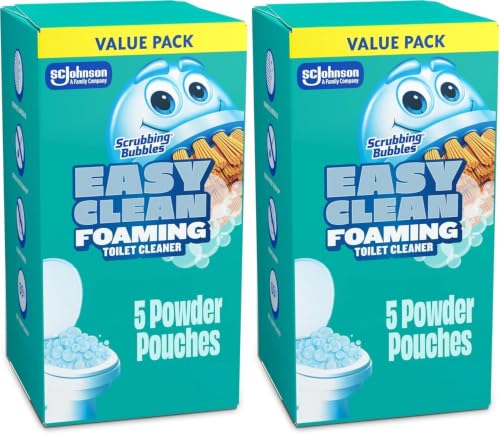
Scrubbing Bubbles Easy Clean Foaming Toilet Bowl Cleaner, 5 Count
Scrubbing Bubbles Toilet Drop-In Pouches, 3.5 oz, 10 Pack

Scrubbing Bubbles Toilet Drop-In Pouches, 100g, 2 Pack
The Details Behind The Selections
The Clorox Bleach Foamer is the kind of bottle most renters and homeowners already know, which makes it an easy starting point. The foam output clings to vertical tile and grout, so the active ingredient sits on the spot instead of running straight to the drain. For a Sunday morning scrub of the tub surround or the line where the shower base meets the wall, this format saves real time.
It is a multipurpose bathroom cleaner that handles soap scum, dirt, and grime along with mildew on most nonporous surfaces. A quick wipe with a sponge is usually all that is needed after the foam dwells. Compared to the Tilex bottle below, this one is built more for general cleaning than for a deep mold attack.
Standout Benefits
- Foam formula hangs on shower walls long enough to break down buildup
- One bottle covers tubs, tile, sinks, and counters
- Trusted brand stocked at most big retailers, so replacing it is easy
Things To Consider
- Bleach smell lingers, so open a window or run the fan during use
- Not formulated for natural stone, so keep it off marble or unsealed grout
Quick Facts
Best Suited To
Households that want one reliable spray for weekly bathroom wipe-downs across tile, tub, and sink.
Skip It When
A deep mold attack in caulk lines is the goal; Tilex Mold and Mildew Remover is purpose-built for that fight.
Tilex exists for the moment a small mildew spot turns into a black smudge across the caulk line. The 32 fl oz spray bottle is the dedicated mold and mildew remover to reach for when general bathroom foam is not getting the job done. Its bleach-based formula is designed to attack the growth itself rather than just lift soap film around it.
Used on hard, nonporous surfaces, the spray works well on tile, tubs, and shower walls indoors and on similar outdoor surfaces where moisture collects. Where the Clorox foamer from item one is a generalist, this one is a specialist, and you can see the difference on stubborn grout lines after a longer dwell time.
Real Benefits
- Built specifically to address mold and mildew stains, not just soap scum
- Larger 32 fl oz bottle lasts through multi-bath deep cleans
- Works on a range of hard, nonporous surfaces inside and outside the bathroom
Honest Caveats
- Strong bleach odor means good ventilation is a must during use
- Can discolor fabric or carpet if overspray lands on towels or rugs
Who Should Grab It
Homeowners dealing with recurring black mildew on shower caulk, grout, or basement bathroom tile.
A Better Fit Elsewhere
Routine weekly wipe-downs are the only priority; the Clorox Bleach Foamer covers that with less odor per session.
The OxiClean no-drip foam brings the brand name many people already trust for laundry stains into the bathroom. The foam formula is meant to cling where you spray it, which matters on overhead shower walls and on the grout lines where mildew loves to settle. Three 30 oz bottles in a single pack mean you are stocked for months of weekend scrubbing.
Versus the Clorox foamer, this version combines OxiClean’s stain-lifting reputation with bleach power for tougher jobs. It is a multipurpose cleaner aimed at soap scum, mold, and mildew stains across tile, tubs, vinyl shower curtains, and similar surfaces. The trade-off for the larger pack is storage space under the sink.
Positive Points
- No-drip foam stays put on vertical surfaces
- Multi-pack format lowers the per-bottle cost over single bottles
- Covers a wide spread of bathroom and household surfaces
Worth Noting
- Bleach-based, so ventilation during use is non-negotiable
- Three full-size bottles take up meaningful cabinet space
Built With In Mind
Bigger households and rental property owners who want a steady supply of bathroom foam without reordering each month.
Swap It Out When
Cabinet space is tight and a single bottle is enough; the Clorox Bleach Foamer is the more compact option.
The Scrubbing Bubbles Easy Clean aerosol swaps trigger pumping for a continuous spray, which is a real upgrade when your hands are tired or wet. The foam hits tile, tubs, and sinks with no pumping needed, then clings to grout lines and corners where mildew tends to start. For a midweek touch-up, the format alone saves time.
Unlike the Clorox foamer, this one is a foaming multipurpose cleaner aimed at grime and soap scum with no bleach in the formula. That makes it friendlier for shared bathrooms where fumes matter. The smaller 13.58 oz can runs out faster than a 30 oz trigger bottle, so you may find yourself replacing it sooner.
What Pays Off
- Continuous-spray nozzle covers large areas with one pass
- Foam reaches into corners and along grout without dripping
- No bleach means lighter odor for shared or small bathrooms
Practical Considerations
- Aerosol cans cost more per ounce than liquid trigger bottles
- Less suited for heavy black mildew that calls for a bleach-based formula
Feature Snapshot
Right Fit For
Apartments and shared bathrooms where fast, low-fume wipe-downs matter more than heavy stain removal.
Look Elsewhere When
Visible black mildew is the real issue; Tilex Mold and Mildew Remover is built for that fight.
The APULITO gel takes a different approach from the spray foams on this list. Instead of foaming and wiping, you apply a thick gel that stays on the stain, then rinse it away hours later. For deeply set grout stains and shower corners where scrubbing has not worked, that long contact time is the real story.
You dry the surface, squeeze the gel along the stained line, leave it for several hours, and rinse. Compared to Tilex, this is less of a quick kill-and-wipe product and more of a leave-it-and-forget-it treatment. The catch is planning: it works best when the bathroom is out of service for half a day.
The Case For It
- Long dwell time breaks down stains that foams leave behind
- Targets grout lines and tile joints, where most bathroom buildup hides
- Works on multiple surfaces, including tile, sinks, and countertops
Trade Offs
- Requires several hours of downtime with the bathroom out of use
- Small 10 fl oz bottle, so heavy projects can run through it quickly
Who It Suits Best
Homeowners tackling stubborn grout discoloration with time to spare and patience for a slow-acting formula.
Consider Something Else When
A quick turnaround is needed; the OxiClean Bleach Foam Stain Remover foam clings and works on contact.
The toilet deserves its own product, and these Scrubbing Bubbles pre-measured pouches make the weekly toilet routine less of a chore. You tear open a pouch, the powder hits the bowl water, and foam rises up under the rim. For most households, that is enough to handle the routine ring without pulling out the brush.
Five pouches in a pack work well as a starter or for single-bath homes. Compared to a traditional toilet bottle, the pouch format means no measuring and no dripping along the way to the bowl. You may still want a brush for very stubborn stains that the foam cannot lift on its own.
Where It Delivers
- Pre-portioned pouches remove the guesswork of liquid doses
- Foam action targets the under-rim zone where buildup hides
- Compact format stores easily in a small bathroom cabinet
A Few Limitations
- Severe stains still benefit from a brush pass after the foam sits
- Pouches are single-use, which creates more packaging waste than a refill bottle
Perfect Match For
Busy households that want a fast, no-mess toilet routine without hauling out a heavy liquid bottle.
Where Another Pick Suits Better
Multi-bath homes need a bigger count; the Scrubbing Bubbles Toilet Drop-In Pouches, 10 Pack is the better fit.
For households with two or three bathrooms, a five-pack of toilet pouches disappears fast. This 10-pack version of the Scrubbing Bubbles drop-in powder covers a longer stretch of routine cleaning without reorder anxiety. Each pouch foams up under the rim and goes to work on limescale and the everyday ring.
Compared to the 5-count, the bigger pack lowers the per-clean cost and keeps a steady supply in the closet. It uses the same tear-and-drop format, which keeps things tidy. Owners commonly report that the foam is a visual cue the product is active, which helps with consistent weekly habits.
Noteworthy Benefits
- 10 pouches cover several weeks of regular toilet maintenance
- Drop-in format works well for shared bathrooms and rentals
- Color-changing foam gives clear feedback that the product is working
Points To Note
- Needs cupboard space to keep the box flat and dry
- Not a substitute for a brush on tougher stains the foam cannot lift
Feature Card
Who Will Love This
Families or shared homes running through toilet cleaner quickly and wanting a low-fuss weekly routine.
Not Your Match When
A small trial run is preferred first; the Scrubbing Bubbles 2-Pouch pack is the lighter commitment.
The 2-pack of Scrubbing Bubbles drop-in pouches is a smart way to test the format before committing to a full box. Two uses are enough to see whether the foam action fits your toilet routine. For a guest bathroom or a small powder room, that may be all you need for a while.
Functionally, the pouches behave the same as the 10-pack: tear, foam, sit, flush. Compared to a liquid toilet bowl bottle, the powder format avoids heavy lifting and drips during transport. You trade off long-term value here, since a smaller pack typically costs more per use than the bulk option.
Useful Highlights
- Small pack size works well for guests or short stays
- Same foam formula as the larger Scrubbing Bubbles pouch packs
- Easy to toss in a moving box or travel bag for rentals
Things To Keep In Mind
- Per-pouch cost is higher than the 10-pack, so it adds up faster
- Two uses run out quickly in a busy primary bathroom
Spec Overview
Made For
Curious shoppers who want to try drop-in toilet pouches before buying in bulk.
Reach For A Different Pick When
Long-term value matters most; the Scrubbing Bubbles Toilet Drop-In Pouches, 10 Pack delivers more uses per dollar.
What Matters Before Buying Bathroom Mold and Mildew Removers
A bathroom cleaner earns its keep when it matches the surface and the stain. Bleach-based formulas handle mildew and grout discoloration best, while gentler foams cover daily soap scum on tile and tubs. Think about the surface first, then the format, then the size that fits your routine.
Match format to use. Trigger bottles work for tile walls and tubs. Aerosol foam is faster for full-room wipe-downs. Gel formulas shine on stubborn grout that needs hours of contact. Toilet pouches are purpose-built for inside the bowl, so they complement rather than replace your surface spray.
Ventilation, gloves, and a quick test on a hidden corner protect surfaces like natural stone or colored caulk. Store bottles upright in a cool, dry spot and replace caps tightly so the active ingredients stay strong between uses.
Key Considerations Across These Picks
Common Shopping Slip Ups
Buying a general bathroom spray for a black mildew problem leaves you re-cleaning the same grout line every week. Pick a bleach-based mold remover when stains are visible, not just suspected. Also, skipping a small patch test on colored caulk or stone can leave a permanent bleached mark, which is far more annoying than the original stain.
Why Top Tier Costs More
Multi-packs and overnight gels cost more up front because they either replace several single bottles or use a thicker, slower-evaporating formula. For larger homes or recurrent mildew, the bulk format pays for itself in fewer reorders. The gel earns its slot when scrubbing has failed and the stain has had time to set into the grout.
Frequently Asked Questions
How often should bathroom mold and mildew removers be used? Most bathrooms benefit from a weekly wipe-down with a foaming spray and a deeper mold treatment once a month or whenever black spots reappear. High-humidity homes may need more frequent attention to stay ahead of regrowth.
Can these products be used on natural stone or marble? Bleach-based mold removers are generally not recommended for unsealed natural stone, since they can etch or discolor the surface. For stone, a pH-neutral stone cleaner is usually the safer choice, with mildew handled by gentler methods.
Do I still need to scrub after spraying? Light mildew and soap scum often wipe away after the recommended dwell time. Older, set-in stains usually need a brush pass to fully lift, especially along grout lines where the growth has rooted into the porous surface.
Are foaming cleaners safer around kids and pets? Foam reduces fumes and runoff compared to liquid bleach, which helps in shared bathrooms. Even so, products should be stored out of reach, and surfaces should be rinsed before kids or pets use the space again.
What is the difference between a mold remover and a regular bathroom cleaner? Mold removers target the organism itself, usually with bleach or similar antimicrobial ingredients. Regular bathroom cleaners focus on soap scum, grime, and general surface cleaning without claiming to kill mold at the root.
Closing Remarks
A clean bathroom does not require a closet full of products. One solid foaming spray for tile and tub, a dedicated mold remover for tough grout, and a toilet pouch routine covers most homes. Match the format to your surface, ventilate while you work, and the mildew stays a small maintenance task rather than a weekend project.