Cleaning a fresh catch can turn a relaxing day on the water into a slippery, scratch-prone chore. The right pair of gloves keeps a firm grip on a thrashing bass, protects your knuckles from a fillet knife, and blocks the sun on long hours at the rail. Anglers who process their own fish, weekend campers, and backyard cooks all benefit from a glove that does more than just look the part. Here’s a curated lineup of ten options built for the mess, the blade, and the bright afternoon sun.
The Lineup, Simplified

FORTEM Cut Resistant Gloves Level 5 Protection
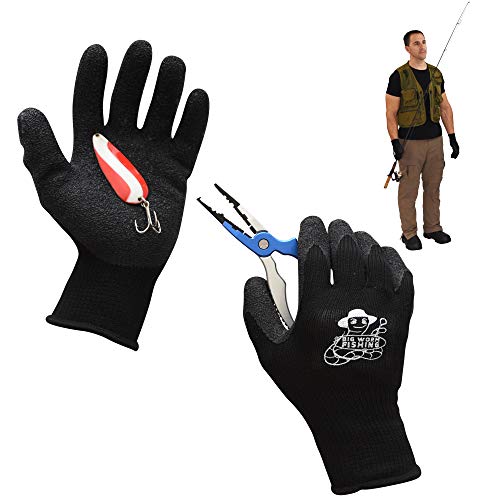
BIG WORM Fish Handling Gloves Textured Grip

KastKing Sol Armis Half-Finger Fishing Gloves

Schwer SlicePro ANSI Cut Resistant Gloves PR1501-G

Schwer SlicePro Ultra-Durable PR1501 M

Schwer 2 Pairs Core CR1401 L

NoCry Premium Cut Resistant Gloves Level 5
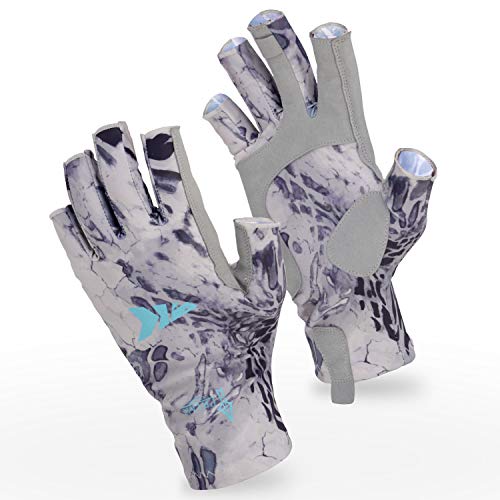
KastKing Sol Armis UPF50+ Fingerless Gloves

KastKing Kut Safe Cut Resistant Gloves

KastKing La Sal UPF50+ Fingerless Gloves
Why These Options Stand Out
The FORTEM cut-resistant gloves start the list because they straddle two worlds: the kitchen prep station and the dock. Knit from a 13-gauge HHPE and nylon blend (HHPE stands for high-high-performance polyethylene, a lightweight fiber known for serious tensile strength), they reach EN388 Level 5 (a European cut-resistance rating where Level 5 is the top tier). That matters when a sharp fillet blade is sliding across trout skin and your finger is right behind it.
For most weekend anglers processing a cooler of panfish, the protection level is generous and the knit breathes enough to avoid swampy hands. They work cleanly for oyster shucking too, though the fingertips run a bit thick for very delicate pin-boning.
Key Advantages
- EN388 Level 5 rating absorbs most knife slip-ups on a fillet board.
- Seamless 13-gauge knit reduces hot spots during long prep sessions.
- Food-safe construction suits both dock work and home kitchens.
- Lightweight enough to wear while gripping rods, leaders, and bait.
Things To Consider
- Cut resistance is not puncture resistance, so bone-in fish can still poke through.
- Hand-wash and air-dry to preserve the knit fibers; tossing them in a hot dryer can degrade the HPPE strands over time.
Who It Suits Best
Casual anglers and home cooks who want one glove for fillet nights and weekend fishing trips without buying two pairs.
Consider Something Else When
If you spend long hours in direct sun, the KastKing Sol Armis UPF50+ Fingerless Gloves offer sun protection this knit cannot match.
Where the FORTEM glove leans on cut resistance, this BIG WORM pair leans on grip. The palms and fingertips carry a textured rubbery surface designed to bite into mucus-coated fish, so a thrashing catfish stays in hand instead of shooting back into the livewell.
You get a soft inner lining that keeps the latex feel from clammy hands. The sizing runs one-size-fits-most from large to XL, so smaller hands may feel some extra fabric at the fingertips. These are built for handling, not for blade work, so reach for something else when the fillet knife comes out.
What Stands Out
- Textured palm surface locks onto slimy skin and fins.
- Soft interior lining stays comfortable during long cleaning marathons.
- Two-pack format offers backup when one pair gets fouled.
Worth Noting
- No cut-resistance rating, so they are not a substitute for a fillet glove near sharp blades.
- Latex-style palm can get slick again once fish oil builds up; rinsing between fish is usually required.
Made For
Anglers who land, hold, and release fish often and need a confident grip on everything from bass to catfish.
Look Elsewhere When
Skip these for any heavy blade prep, where the Schwer SlicePro Ultra-Durable PR1501 brings proper cut defense.
The Sol Armis half-finger option trades full-finger coverage for fingertip dexterity. The exposed fingertips let you tie knots, set hooks, and feel line tension without pulling a glove off every cast. A poly-spandex back panel breathes well, and a double-layer palm takes the abrasion of constant rod gripping.
Where this glove earns its keep is the sun. UPF 50 blocks roughly 98 percent of UV rays (UPF stands for Ultraviolet Protection Factor, a fabric rating similar to SPF for sunscreen), so a six-hour kayak session stops leaving your knuckles sunburned. Cleaning duties are not the focus, so the open fingertips are a liability around a sharp blade.
The Good Stuff
- UPF 50 shields hands from harsh midday sun on open water.
- Half-finger design preserves the tactile feel for rigging and knot tying.
- Poly-spandex back panel stays cool when temperatures climb.
- Pull tabs ease the glove on and off quickly between casts.
Room For Improvement
- Open fingertips expose skin during fillet work, so plan a second glove for the cutting board.
Right Fit For
Bank anglers, kayak fishermen, and anyone who spends full days casting in bright conditions and wants hand sun protection.
A Better Fit Elsewhere
If knife work is the priority, the KastKing Kut Safe Cut Resistant Gloves deliver ANSI A6 protection that this open-finger design cannot.
The Schwer SlicePro jumps to ANSI Cut Level A9, the highest cut-resistance tier in the ANSI/ISEA 105 standard (the American cut-rating system that runs from A1 to A9). The knit blends ultra-high-strength fibers with stainless steel, so a stray fillet stroke that would normally open a finger stops at the glove surface.
Compared to the FORTEM, this is a noticeably stiffer build. You trade some fingertip feel for an extra margin of safety, which is the right call when you’re running a six-inch boning knife down a walleye backbone. The food-grade certification matters too if you’re moving from cleaning fish to plating guests.
What Works In Its Favor
- ANSI A9 cut rating handles aggressive blade work and oyster shucking.
- Stainless steel blend shrugs off nicks that would shred a basic knit glove.
- Food-grade certification keeps prep stations compliant.
Trade Offs
- Steel fibers reduce fingertip sensitivity, so precision work on small fish feels slower.
- Like all cut gloves in this class, it does not protect against punctures from fish bones.
Best Suited To
Anglers and cooks who work with sharp boning knives, oyster openers, or mandolines and want the highest cut tier available.
Skip It When
For sun-soaked fishing trips where UV matters more than blade safety, the KastKing La Sal UPF50+ Fingerless Gloves make more sense.
The Ultra-Durable Schwer SlicePro takes the same cut-resistant foundation and reinforces the knit for longer service life. The brand cites roughly ten times more durability than standard models, which matters for someone who cleans fish weekly rather than a few times a year.
The medium size runs a touch roomy, so if your hands sit between medium and large, sizing down may be wise. Owners commonly report that this glove holds up through dozens of cleaning sessions before showing wear at the fingertips, which is a fair trade for the slightly higher cost than basic knit gloves.
Noteworthy Benefits
- Reinforced knit extends usable life well beyond entry-level options.
- Food-grade certified for direct contact with fish and shellfish.
- Holds up through repeated washing, which is critical after a bloody day.
Honest Caveats
- Medium size can feel generous; ordering one size down may improve fit for slimmer hands.
- Reinforced knit adds slight bulk, slowing very fine knife work on small baitfish.
Who Should Grab It
Serious anglers and commercial cleaners who process large volumes and want a glove that survives months of steady use.
Reach For A Different Pick When
For lighter, occasional cleaning with better dexterity, the NoCry Premium Cut Resistant Gloves fit more comfortably out of the box.
This two-pack Schwer option sits one tier below the SlicePro at ANSI A6 (still a strong cut rating, just one step down from A9). Two pairs mean you can keep one at the lake cabin and one at home, or hand a spare to a fishing buddy. The food-grade certification covers kitchen prep as well as dockside cleaning.
Versus the SlicePro, you give up a step of cut resistance and some of the steel-fiber density. The trade is lighter weight and a more comfortable all-day fit, which most weekend anglers will prefer over maximum blade armor.
Standout Benefits
- Two-pair format doubles the value and covers multiple locations.
- ANSI A6 protection is plenty for typical fillet and shucking tasks.
- Lighter knit improves comfort for users new to cut-resistant gloves.
Points To Keep In Mind
- A6 is strong but not the ceiling, so heavy commercial work may want the SlicePro instead.
- Large size runs true; those with smaller hands may want the medium Schwer Ultra-Durable option.
Built With In Mind
Couples, families, and shared tackle boxes where one pair is never enough for everyone at the cleaning table.
Where A Sibling Pick Shines
For maximum cut defense on a single pair, the Schwer SlicePro PR1501-G edges ahead in raw protection.
The NoCry glove is the comfort-first choice in the cut-resistant category. The blend of polyethylene, spandex, and fiberglass produces a flexible knit that moves with your hand instead of fighting it. Many home cooks and chefs adopt it because the dexterity lets them handle small tasks like peeling shrimp or trimming pin bones.
Compared to the heavy-duty Schwer options, you give up the top-tier cut rating but gain all-day wearability. Food-safe certification keeps it in play for any prep that touches what you eat.
Notable Gains
- Flexible knit supports fine motor tasks that stiffer gloves hinder.
- Food-safe rating covers shellfish, fish, and general kitchen work.
- Spandex content provides a snug fit that reduces hand fatigue.
Some Limits To Know
- Lower cut tier than the SlicePro, so high-volume commercial cleaning may warrant a heavier glove.
- Fiberglass content can feel slightly coarse on sensitive skin during the first few uses.
Perfect Match For
Home cooks and pros who value dexterity as much as protection and want one glove for prep, plating, and cleaning.
Swap It Out When
For a truly punishing blade workload, the Schwer SlicePro PR1501-G offers more cut resistance.
Stepping away from the dock and into the sun, the full-finger Sol Armis swaps the half-finger design for knuckle coverage and keeps the UPF 50 rating. That added coverage protects the back of the hand from direct sun, which is the most common burn zone during a long flats or offshore trip.
Compared to the half-finger sibling earlier, this version sacrifices a touch of fingertip feel for fuller sun protection. The breathable poly-spandex back helps, but on the hottest August afternoons the glove will feel warm. It is a fishing glove first and a cleaning glove second.
Real Benefits
- UPF 50 shields the back of the hand and fingers from sunburn.
- Full-finger design covers knuckles that half-finger gloves leave exposed.
- Four-way stretch fabric conforms to hand shape without bunching.
Practical Considerations
- Not rated for cut protection, so a separate glove is needed for knife work.
- Dark colors can absorb heat on the sunniest days; light-colored alternatives may run cooler.
Whose Shelf It Belongs On
Offshore and flats anglers chasing sun exposure all day who want the back of the hand fully covered.
Where Another Pick Suits Better
When blade safety is the mission, the KastKing Kut Safe Cut Resistant Gloves outperform this sun-first design.
The Kut Safe is the fishing-specific answer to the kitchen cut glove. It hits ANSI A6 cut resistance through an HPPE and metal-wire knit, then adds a rubber-coated palm for grip on wet fish and slippery knife handles. That combination is rare: most cut gloves sacrifice grip, and most grip gloves skip cut protection.
The glove feels slightly heavier than the NoCry, which is the trade for the rubber palm and wire reinforcement. It runs warm in humid weather but pays you back when a knife slips on a slick catfish.
Everyday Wins
- HPPE and metal wire deliver A6 cut protection with 360-degree coverage.
- Rubber-coated palm grips both fish and knife handles securely.
- Designed specifically for fishing tasks, not borrowed from kitchen lines.
Factors To Consider
- Heavier knit can feel warm during midsummer cleaning sessions.
- Wire content makes hand-washing and air-drying the safer care routine.
The Right Fit
Anglers who want a single glove for both gripping fish and protecting against an errant fillet knife stroke.
Not Your Match When
If sun protection tops your priority list, the KastKing La Sal UPF50+ Fingerless Gloves cover that need instead.
The La Sal rounds out the list as the lightest, most packable option. It carries the same UPF 50 rating and breathable poly-spandex build as the other KastKing sun gloves but trims weight for travel days and tournament anglers who count ounces in their gear bag.
The trade for that low weight is durability: thin fabric shows wear faster than the heavier Sol Armis or Kut Safe. If you treat it as a travel glove and rotate it with a tougher pair at home, it lasts far longer than the price suggests.
Real-World Strengths
- Lightweight build packs flat in a tackle bag or carry-on.
- UPF 50 covers the back of the hand during long sun sessions.
- Fingerless design preserves knot-tying and bait-rigging dexterity.
Less Ideal Details
- Thin fabric wears through faster than the heavier Sol Armis under heavy use.
- No cut protection, so a separate glove is needed for any blade work.
Who Will Love This
Travel anglers, tournament competitors, and casual fishers who want packable sun coverage without bulk.
Another Choice May Suit
If you stay closer to home and want more durability, the heavier KastKing Sol Armis UPF50+ Fingerless Gloves last longer.
Picking Gloves That Match the Way You Fish
The right glove starts with the task that matters most. Anglers who spend long hours casting under open sky want UV-rated fabric. Cooks who process fish at home want a cut rating that matches their blade work. And anyone who lands fish bare-handed benefits from a textured palm that grips mucus and scales.
Cut resistance follows the ANSI/ISEA 105 scale, which runs from A1 (light protection) up to A9 (the highest cut level, suited to sharp blade handling). The European EN388 system rates gloves from Level 1 to Level 5, with Level 5 the top tier. Higher numbers mean more blade protection, but they usually cost fingertip dexterity. For occasional weekend cleaning, an A5 or A6 rating is plenty. For commercial volume, A9 makes sense.
Sizing matters more than people expect. A glove that bunches at the fingertips catches on knife edges, while a glove that squeezes the hand causes fatigue. Most knit gloves run true to size, while rubber-coated or latex-style models often run generous. When in doubt, measure around the knuckles and match to the brand’s size chart.
Fit and grip work together. A glove with a rubber-coated palm gives you better knife control, which actually reduces the cuts that cut-resistance is designed to prevent. The best glove for fillet work combines both attributes, which is why hybrid designs like the KastKing Kut Safe exist.
Care affects longevity. Cut-resistant knits should be hand-washed in cool water and air-dried. Machine drying breaks down HPPE fibers over time and shrinks spandex. A quick rinse after each cleaning session keeps fish odor from setting into the fabric.
Key Considerations Across These Picks
Common Shopping Slip Ups
Choosing the highest cut rating available sounds smart but ignores fit. A stiff A9 glove that bunches at the fingertips actually creates new hazards by catching knife edges. Match the rating to the task first, then refine for comfort.
Another miss is ignoring UV protection. Anglers who fish from a kayak or a bank often burn the back of the hand before remembering sunscreen. A glove with UPF 50 solves that without reapplying lotion every two hours.
Where The Extra Money Goes
Premium cut-resistant gloves cost more because of the fiber blend. Stainless steel and HPPE are more costly to knit than basic nylon, and the result is a glove that survives dozens of cleaning sessions rather than a handful. Reinforced knits add another cost layer but extend service life.
Two-pack options, like the Schwer Core CR1401, push the per-pair cost down by bundling. If you fish with a partner or keep a spare at the cabin, that bundle math usually beats buying singles.
Frequently Asked Questions
Do fish cleaning gloves really protect against cuts?
Yes, the cut-resistant options in this list use HPPE, fiberglass, or steel-wire knits that meet ANSI A5 to A9 ratings. They dramatically reduce the chance of a fillet knife slicing through to skin, though they do not stop puncture injuries.
Can I use the same gloves for filleting and for sun protection?
Not really. Cut gloves use dense knits that block UV but feel hot and reduce dexterity. Sun gloves use breathable poly-spandex that breathes well but offers no cut defense. Most anglers end up with two pairs.
How do I clean fish cleaning gloves after use?
Rinse in cool water right after cleaning, then hand-wash with mild soap. Skip the dryer: heat degrades HPPE fibers and shrinks spandex, shortening glove life. Air-dry flat away from direct sun to avoid fading and fiber breakdown.
Are fingerless gloves safe around a fillet knife?
No. The exposed fingertips sit right in the blade’s path. Fingerless designs work well for casting, knot tying, and gripping fish, but you should switch to a full-finger cut glove before the knife comes out.
What size should I order?
Measure around your knuckles with a tape and match the measurement to the brand’s size chart. When between sizes, sizing down usually fits better for knit gloves, since snugger contact improves knife control.
Wrap Up
The right pair of gloves depends on what happens more: knife work or sun exposure. Cut-resistant knits handle the fillet board, textured palms handle slippery catches, and UPF 50 fabric handles long days in bright conditions. Match the glove to the task you do most, and the rest of the trip gets easier.