Switching to reusable cleaning products means fewer paper towel rolls disappearing into the trash and less plastic cluttering under the sink, but only when each tool pulls its weight. The four picks below span microfiber cloths, damp dusters, dissolvable cleaner tablets, and refillable dusting pads. Each one tackles a different corner of the household routine, so the right mix depends on where you spend your cleaning minutes.
The Choices Worth Comparing

Matthew Microfiber Cleaning Cloth Roll 72-Pack

Scrub Daddy Damp Duster (Pink)
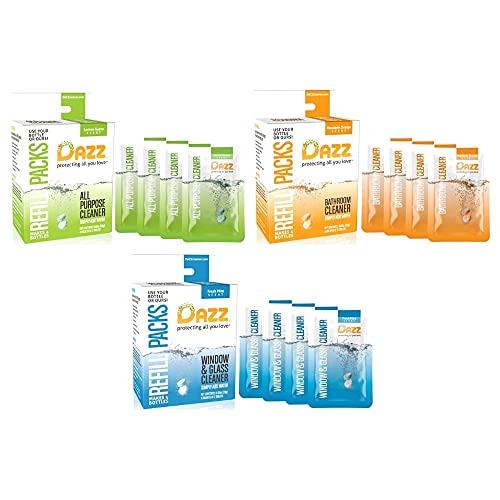
Dazz Whole House Refill Pack (12 Tablets)
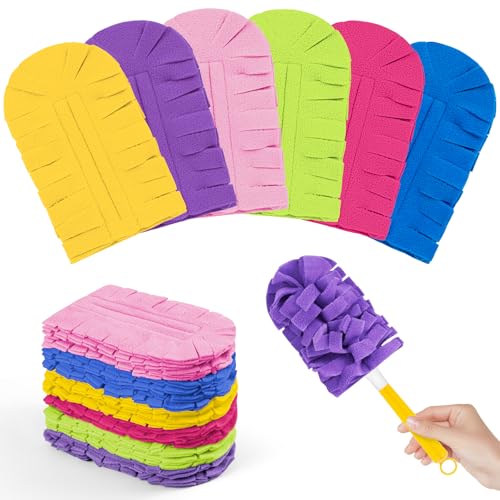
Nicemiya Microfiber Duster Refills (12-Pack)
Inside Each Recommended Option
A 72-count microfiber roll sounds excessive until you imagine a busy household wiping down stovetops, polishing mirrors, drying car dashboards, and blotting up kitchen spills in a single weekend. The 12-by-12-inch sheets tear away cleanly from a compact reel, so the roll slides into a cabinet drawer or sits on a shelf without hogging space. Each cloth weighs 200 GSM (grams per square meter, a standard measure of fabric density where higher numbers mean thicker cloth), which lands in the middle of typical microfiber weights: thick enough to feel substantial when wet, light enough to rinse and wring without hand fatigue.
The blend is 80% polyester and 20% polyamide (the polyamide is what gives microfiber its absorbent pull), and the cloth pulls in water quickly while leaving glass and chrome streak-free in most conditions. Households that burn through a paper towel roll a week can swap in a single roll of these and barely notice the difference. Compared with the damp duster below, this is more of a generalist wipe-down tool, useful for the broad middle of a cleaning routine rather than tight blind slats.
Advantages To Know
- Tear-away design removes the need to fold or stack individual cloths, and the reel rolls back up between uses for tidy storage.
- The 12-by-12-inch size handles full countertops, stovetop surfaces, and most mirror panels in a single pass.
- 200 GSM microfiber absorbs spills quickly and dries within a couple of hours on a drying rack, so a small stack stays usable across a busy week.
- Works on glass, dishes, bathrooms, and car interiors, replacing separate cloths for each room in many households.
- The 72-sheet count covers several months of regular cleaning without needing to reorder.
Things To Consider
- The cloths shed lint during the first couple of washes, so running them through a hot cycle with a rinse aid before first use helps.
- Fabric softener coats microfiber and reduces absorbency over time, so washing them separately from towels or sheets is the safer habit.
- Avoid high heat in the dryer; the polyester component can warp or stiffen at peak temperatures.
Feature Snapshot
Whose Shelf It Belongs On
Families, renters, and car owners who wipe down multiple surfaces daily and want one cloth format that replaces stacks of paper towels.
A Better Fit Elsewhere
Anyone cleaning mostly Venetian blinds or detailed trim will find the Scrub Daddy Damp Duster reaches into slats more comfortably.
The Damp Duster solves one of the most stubborn cleaning chores: pulling settled dust out of wooden blinds, radiator fins, and skirting boards without flinging it into the air. The sponge body holds water so the surface stays damp during a pass, and the ridged texture grabs particles instead of pushing them around. The bright pink color makes it easy to spot in a caddy, and the soft material flexes around curves on decorative trim or mirror frames.
The trade-off is shape and size. Unlike the flat microfiber cloths in pick 1, this tool is built for narrow gaps and detailed edges, so it does not replace a general wiping cloth. It also performs best when rinsed frequently during use; a fully loaded sponge starts leaving streaks on glossy surfaces. For households with lots of woodwork, louvered doors, or cast-iron radiators, this one earns its place quickly.
Well-Handled Touches
- The damp sponge holds onto dust instead of launching it, which helps keep the air clearer during a deep clean.
- Ridged texture reaches into blind slats and radiator grooves without forcing the user to pry each slat open.
- Flexible body curves around skirting boards and decorative trim without scratching most painted finishes.
Honest Caveats
- Not a substitute for a flat wiping cloth: it cannot spread cleaner across broad countertops the way the Matthew microfiber roll can.
- Needs frequent rinsing during longer sessions, or the sponge redeposits dust onto adjacent surfaces.
- Color may vary by listing, so shoppers wanting a specific shade should check the product page before ordering.
Made For
Older homes with original wooden blinds, picture rail moldings, and radiator-heavy rooms where feather dusters tend to scatter the dust.
Skip It When
Your routine is mostly kitchen counters, glass, and car interiors, where the Matthew Microfiber Cleaning Cloth Roll covers more surface area per pass.
Tablet-based cleaners take a different route to the reusable goal: instead of buying one cloth you wash forever, you drop a small tablet into a refillable spray bottle filled with tap water. The pack ships with 12 tablets split across three formulas (all-purpose, glass, and bathroom), so a single pack covers most of the rooms in a typical home. The catch is the bottle: you need a reusable sprayer, and the tablet must fully dissolve before you attach the nozzle to avoid clogging the trigger.
Compared with the cloth and duster picks above, this one tackles liquid cleaning rather than dry dusting. For households already committed to refillable bottles, the format removes a steady stream of plastic sprayers from the recycling bin. The honest read is that you trade convenience for sustainability: hand-mixing each bottle takes a few minutes, and waiting for the tablet to dissolve adds a small step that pre-mixed sprays skip.
The Good Stuff
- Three formulas in one pack cover kitchen surfaces, mirrors, and bathroom tile without buying separate products.
- Each tablet makes one 24-ounce bottle, so the math for monthly use is simple and predictable.
- No plastic sprayer shipping per bottle cuts down on the packaging that ends up in recycling.
Points To Keep In Mind
- Requires patience while the tablet dissolves; attaching the sprayer too early can block the nozzle.
- Only works with a compatible refillable bottle, which is a separate purchase for first-time users.
- Tablet strength can vary by formula, so the all-purpose and glass versions may feel different in everyday use.
Quick Facts
Right Fit For
Plastic-conscious households already using refillable bottles and willing to wait a couple of minutes for a tablet to dissolve before each spray session.
Consider Something Else When
You want a ready-to-spray cleaner without a mixing step; in that case, the Nicemiya Microfiber Duster Refills pair better with a quick surface wipe routine.
If a household already owns a Swiffer-style dusting handle, the cheapest reusable upgrade is often a pack of microfiber refills instead of new disposable pads. Each pad measures roughly 7.4 by 4.7 inches, sized to fit most standard handles, and the pack ships in six colors (two of each) so the same color can stay assigned to one room. The microfiber lifts dust off ceiling fans, blinds, baseboards, and window sills in a few quick passes.
The trade-off is compatibility. Without the matching handle, the pads are just fabric rectangles, so first-time buyers need a separate handle purchase. The color-coding system is helpful for busy households, but the pads do wear out faster than the bulk Matthew roll, depending on how aggressively the user scrubs. For households already set up with the right handle, this is one of the easiest reusable swaps to make.
Real-World Strengths
- Color-coding by room cuts down on cross-contamination between kitchen, bathroom, and living areas.
- Standard sizing fits most telescoping dusting handles already in the cleaning closet.
- Microfiber lifts dust off ceiling fans, blinds, and window sills without sending it airborne.
Some Limits To Know
- Requires a compatible handle; the pads alone do not stand up on their own.
- Pads wear out faster than thicker cloths with heavy scrubbing, so the 12-pack may not last as long as it sounds.
- Color variety can vary by shipment, so expecting a specific palette may not always match.
Best Suited To
Existing Swiffer handle owners and shared-space households that benefit from assigning a color to each room’s dusting routine.
Look Elsewhere When
You do not already own a compatible handle and prefer an all-in-one cloth format, where the Matthew Microfiber Cleaning Cloth Roll works without extra hardware.
What Matters Most Before Choosing Reusable Cleaning Products
Material blend sets the tone for every other feature. Microfiber with at least 15 to 20 percent polyamide pulls in oils and water more effectively than pure polyester, and the GSM rating tells you how dense the cloth feels. For general wiping, 200 GSM hits a useful middle; for heavy-duty kitchen work, denser weaves hold up longer but take longer to dry.
Format matters as much as fabric. Tear-away rolls suit high-volume households that want one cloth per task, while sponge-style damp dusters excel in tight slats and trim. Tablet cleaners need a refillable bottle, so the total setup includes both the tablets and the sprayer.
Durability comes down to wash care. Microfiber loses absorbency when exposed to fabric softener, and high dryer heat can warp polyester blends over time. Plan to wash these cloths separately from towels and air-dry when possible.
Use case drives the right match. A renter in a small apartment with mostly glass and countertops leans toward microfiber cloths. A homeowner with wooden blinds and radiator-heavy rooms gains more from a damp duster. The two can coexist in the same cleaning caddy without overlap.
Key Considerations Across These Picks
Where Shoppers Go Wrong
The most common slip is treating reusable products like disposables. Running microfiber cloths through a hot dryer with fabric softener coats the fibers and strips absorbency, so the cloths feel useless after a few weeks. Stick to cool or warm washes and skip the softener entirely.
Another trap is buying a tablet cleaner without checking bottle compatibility. A nozzle that clogs mid-session turns a sustainable swap into a frustration. Look for a bottle you already own or buy one designed for the tablet system before the tablets arrive.
When Paying More Pays Off
Higher-tier reusable cloths often mean tighter weave construction, better stitching on edges, and longer-lasting microfiber loops. For households that wash cloths daily, that construction shows up as months of use without fraying. For occasional users, the upgrade matters less and a basic mid-weight cloth handles the workload.
Frequently Asked Questions
How long do reusable microfiber cloths typically last? With cool washes and no fabric softener, a quality microfiber cloth can handle several hundred wash cycles before the fibers break down. Households that launder weekly often get a year or more of regular use from a single cloth.
Can reusable cleaning cloths handle disinfectant solutions? Most microfiber cloths tolerate diluted household disinfectants, but chlorine bleach gradually weakens polyester fibers. For bleach-based routines, dedicate a separate set of cloths and rinse thoroughly after each use.
Do damp dusters replace a vacuum or a feather duster? A damp duster handles surface dust on blinds, trim, and skirting boards where vacuums struggle, but it is not a substitute for vacuuming floors or upholstery. Use it as a complement, not a replacement, in a full routine.
How messy is the tablet mixing process? Drop one tablet into a bottle of warm tap water, wait for it to fully dissolve, then attach the sprayer. Most tablets dissolve within a few minutes; rushing the step can clog the nozzle.
Are reusable products actually better for the environment? Reusable formats cut down on disposable packaging and single-use paper or plastic waste, but only when they get reused enough times to offset manufacturing. A microfiber cloth reused for a year replaces dozens of paper towel rolls in most homes.
Bottom Line
Reusable cleaning products pay off when each tool earns its spot in the routine. A bulk microfiber roll handles the broad wiping work, a damp duster reaches into blinds and trim, tablet cleaners cut plastic sprayer waste, and duster refills extend the handle you already own. Pick the one that fits the room you clean most often, and let the rest follow as the routine grows.