Whether you’re battling black streaks on an RV roof, sealing a stubborn leak before the wet season, or washing months of caked mud off a truck parked near a dirt road, the right product transforms a frustrating afternoon into a satisfying one. This list pulls together coatings, sealants, tapes, and wash solutions that cover the full spectrum of rooftop and overhead cleaning jobs. You’ll find heavy-duty options for permanent repairs and gentler washes for routine upkeep, all chosen to match common real-world scenarios.
A Side-By-Side Look

Henry HE887HS073 Tropicool Roof Coat (5 Gallon)

EternaBond RoofSeal Gray MicroSealant Tape 2″ x 50′

Kohree RV Roof Sealant 24 Pack Self-Leveling
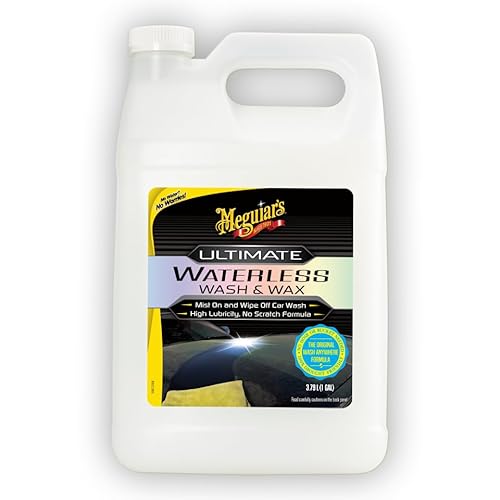
Meguiar’s Ultimate Waterless Wash & Wax (1 Gallon)

Dicor 501LSW-1 Self-Leveling Lap Sealant (4 Pack)

EternaBond Mobile Home Roof Seal Tape 4″ x 50′

EternaBond White Mobile Home RV Roof Tape 4″ x 20′

Slick Products Off-Road Wash & Cleaner (32 oz)
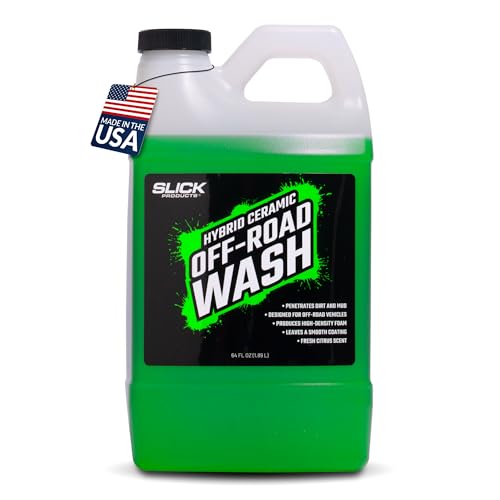
Hybrid Ceramic Off-Road Wash Super Concentrated (16 oz)
A Deeper Look At The Lineup
This 100% silicone white roof coating earns its place when the rooftop in question faces punishing sun, standing water, and constant UV. The moisture-cure formula bonds aggressively to the existing surface, which is the kind of permanent adhesion that matters when you’re coating a flat section over a living space and can’t afford a redo next spring.
It was engineered for tropical and subtropical climates where roofs bake all day and soak through tropical storms. For anyone restoring an aging RV, mobile home, or low-slope residential roof in a hot, wet region, the reflective white finish helps deflect heat and slow UV breakdown of the substrate underneath.
Notable Gains
- 100% silicone base delivers permanent ponding water resistance, which matters on flat or low-slope roofs that drain slowly after heavy rain.
- White reflective surface is designed to hold reflectivity as it ages, helping reduce attic heat gain over multiple seasons.
- Moisture-cure chemistry creates an aggressive chemical bond, so the coating stays put where cheaper acrylics often peel.
- A single 5-gallon pail covers substantial square footage, making it efficient for whole-roof resurfacing rather than spot fixes.
Points To Keep In Mind
- Silicone coatings hold dirt more visibly than darker finishes, so a periodic gentle wash keeps the reflectivity working.
- Surface prep is non-negotiable: any loose material or moisture trapped underneath will compromise the aggressive bond.
- Coverage behaves differently than paint, and on a porous old substrate you may need a primer or additional coat beyond what feels intuitive.
Whose Roof It Belongs On
Full-time residents in hot, wet climates restoring an entire flat or low-slope roof on an RV, mobile home, or outbuilding where heat reflection and long-term waterproofing matter most.
Where A Sibling Pick Shines
For targeted seam repair instead of full resurfacing, the EternaBond RoofSeal Gray MicroSealant Tape handles small leak spots far more efficiently.
When a seam starts leaking on an RV or a vent pipe starts dripping into the headliner, the priority is stopping water today, not next month. EternaBond’s gray RoofSeal tape combines an aluminum backing with the brand’s MicroSealant layer, creating a single-step seal that needs no additional caulk or adhesive.
The 35 mil total thickness gives it real body, and the 2-inch width fits naturally along seams, edges, and around smaller roof fixtures. For anyone who stores their rig outside year-round or takes it through freeze-thaw cycles, that one-step sealing matters because it eliminates the failure points of layered repairs.
Real-World Strengths
- Bonds aggressively to EPDM, TPO, Hypalon, aluminum, galvanized steel, wood, and fiberglass, so it works across nearly every RV roof material you encounter.
- No secondary sealant required: the MicroSealant layer does the waterproofing work in one pass.
- UV-stable gray backing resists degradation from constant sun exposure on a parked roof.
- 50-foot roll provides enough length to handle multiple seams or a long edge repair without piecing tape together.
Honest Caveats
- Gray shows weathering and dirt streaks faster than a white tape, which is purely cosmetic but worth noting if appearance matters.
- Adhesion will fail if applied over silicone residue, so a solvent wipe is necessary when patching near older silicone repairs.
Best Suited To
RV owners chasing a single-product repair that seals seams, edges, and penetrations on most common roof membranes without juggling multiple cans of sealant.
Reach For A Different Pick When
For wide-strip resurfacing on a mobile home roof, the longer EternaBond Mobile Home Roof Seal Tape 4″ x 50′ covers more square footage per pull.
Self-leveling lap sealant behaves differently from caulk you squeeze into a corner. It flows out flat on its own after application, which is exactly what you want when sealing the long horizontal seams along an RV’s roof edges. Kohree’s 24-pack delivers this behavior in quantity, and the formula reaches its flat state within about 30 seconds of application.
The low-odor, harmless formula opens up where you can comfortably use it, including in covered bays with limited ventilation. For shops and DIYers who go through sealant tube after tube on full roof reseals, the bulk count makes practical sense.
The Case For It
- 24 tubes cover a complete RV roof reseal without mid-project supply runs.
- True self-leveling action within 30 seconds creates flat, professional-looking seams along edges and trim.
- Low-odor chemistry is workable in partially enclosed spaces, which matters in winter or shoulder seasons.
- White finish blends with most RV roof colors and stays visually clean against common membrane shades.
Small Caveats
- 24 tubes is overkill for a single small patch; it pays off for full-roof reseals or shop use.
- White can yellow slightly with age on darker roofs, though this is cosmetic and doesn’t affect sealing performance.
Perfect Match For
RV owners and small repair shops resealing an entire roof edge system where bulk quantity, fast leveling, and low odor all matter on the same job.
Look Elsewhere When
For a single, narrow seam fix without the bulk commitment, the Dicor 501LSW-1 Self-Leveling Lap Sealant 4 Pack covers most weekend repairs.
Not every roof cleaning situation involves climbing onto the RV. Sometimes the goal is a quick exterior detail on a truck or SUV where hose access is limited, water restrictions are in effect, or you’re parked at an apartment with no outdoor spigot. Meguiar’s waterless formula handles exactly that scenario, combining a wash and wax in a single pass.
The high-lubricity chemistry helps the solution lift grime without grinding it into the clear coat, which is the kind of protection that matters when working on darker paint that shows every swirl. The 1-gallon size suits regular drivers who detail often rather than weekend-only users.
Benefits That Matter
- One-step wash and wax cuts detailing time in half on a routine basis, which matters during busy weeks.
- No hose or bucket required, opening up apartment complexes and water-restricted areas where traditional washing is off-limits.
- Spot-free formula reduces post-wash towel work, especially on glass and dark paint that betray every droplet.
- High-lubricity surfactants minimize swirl risk on soft clear coats that mark easily.
Worth Noting
- Heavy mud and caked road grime need a pre-rinse; this is built for light-to-moderate dirt, not neglected vehicles.
- 1 gallon is generous for casual use but heavy to store if shelf space is tight.
The Right Fit
Apartment dwellers, water-restricted regions, and daily drivers who want a wipe-on clean without hauling a hose and bucket across the parking lot.
Consider Something Else When
For thick mud on an off-road rig, the Slick Products Off-Road Wash & Cleaner is engineered for that level of grime.
Dicor has been a familiar name in RV roof maintenance for years, and the 501LSW-1 self-leveling sealant reflects that reputation in practical ways. It creates a secondary seal along roof edges, air vents, vent pipes, and screw heads, which are the exact spots where most RV leaks begin.
The 4-pack format suits a typical reseal job without overshooting into bulk territory, and the adhesion profile covers aluminum, mortar, wood, vinyl, galvanized metal, fiberglass, and concrete. For EPDM and TPO sheeting, compatibility is built in, which simplifies material decisions on mixed-substrate repairs.
Why It Works Well
- Wide substrate compatibility removes the guesswork when sealing across mixed materials on the same roof.
- Designed for EPDM and TPO sheeting, the two most common RV roof membranes on the road today.
- Self-leveling flow fills low spots along edges for a smoother, more watertight finished seam.
- 4-pack quantity fits a typical single-rig reseal without surplus waste or shortage mid-job.
Things To Weigh
- Has a 2-year shelf life from the manufacturer’s stamped date, so buying more than you need wastes product eventually.
- White finish is the only color option, which can look stark on darker roof membranes.
Feature Snapshot
Made For
DIY RV owners resealing vents, edges, and screw heads on a single rig where proven compatibility with EPDM or TPO matters more than bulk quantity.
Not Your Match When
For full-roof reseals that chew through multiple tubes, the Kohree RV Roof Sealant 24 Pack covers the same work in fewer restock trips.
Mobile home roofs tend to stretch long, flat seams that benefit from wider tape. The 4-inch width on this EternaBond roll covers more linear footage in a single pull than a 2-inch product, and the 50-foot continuous length means fewer splices across a long mobile home span.
The white UV-stable backing helps the repair blend visually with light-colored mobile home roofs, which is the dominant aesthetic in that segment. Like other EternaBond tapes, it bonds to a remarkably wide range of substrates without additional adhesive or sealant.
The Value In It
- 50-foot continuous roll minimizes seams across long mobile home rooflines, which reduces potential leak points.
- 4-inch width covers typical mobile home seam and lap areas in one pass, speeding up the job.
- White UV-stable backing blends with common light-colored mobile home roofing for a cleaner visual result.
- Single-step application means no waiting on separate adhesive or sealant cures.
Factors To Consider
- Wider rolls are heavier and stiffer to position on a roof, which can complicate solo application on a windy day.
- White shows dirt and mildew streaks faster than gray, so appearance upkeep matters in shaded areas.
Quick Facts
Who Should Grab It
Mobile homeowners and repair technicians handling long, wide seam repairs across light-colored roofs where fewer splices and faster coverage matter.
Swap It Out When
For small RV seam or vent fixes where 50 feet would sit mostly unused, the EternaBond White Mobile Home RV Roof Tape 4″ x 20′ fits tighter repair jobs.
Not every repair needs 50 feet of tape. Sometimes the leak is a single rip or open seam around a roof fixture, and 20 feet covers that job with room to spare. This EternaBond variant delivers the same MicroSealant sealing performance in a more compact roll that’s easier to store and manage on smaller projects.
The white UV-stable finish matches the aesthetic of light-colored RV and mobile home rubber roofs. It’s worth noting these 20-foot rolls are cut from master rolls rather than factory-produced, which means slightly irregular edges but identical sealing chemistry.
Good Reasons To Consider
- 20-foot length suits small RV patch jobs without committing to a 50-foot bulk roll.
- White UV-stable backing holds up under sun exposure and blends with light-colored rubber roofs.
- MicroSealant tape technology stops leaks on virtually any surface in minutes when applied correctly.
- Compact roll is easier to handle and store than longer alternatives.
Practical Considerations
- Cut-from-master-roll construction means the roll end may not be perfectly square, which can complicate starting the application cleanly.
- 20 feet runs out fast on multi-seam repairs, leaving you short mid-project.
Right Fit For
RV owners patching a single rip, tear, or open seam who want EternaBond’s sealing chemistry without committing to a bulk 50-foot roll.
A Better Fit Elsewhere
For longer mobile home roof resurfacing that consumes multiple rolls of tape, the EternaBond Mobile Home Roof Seal Tape 4″ x 50′ is the more efficient buy.
After a weekend of trail riding, a dirt bike or UTV returns with a layer of mud that’s beyond what regular car soap can handle. Slick Products’ off-road wash is formulated for that exact mess, using hybrid-ceramic polymers that penetrate grime and leave behind a water-repellent finish.
The super-concentrated formula means a little goes a long way, so a 32 oz bottle covers multiple bikes or several months of weekend washing. For riders who treat their gear as both transportation and recreation, that concentration ratio matters.
The Helpful Details
- Super-concentrated formula stretches a 32 oz bottle across many wash sessions, which adds up over a riding season.
- Hybrid-ceramic polymers lift mud and leave a smooth, glossy, water-repellent finish on paint, plastic, chrome, and aluminum.
- Compatible with foam cannons, foam guns, and traditional bucket washing for flexible setup.
- Works across dirt bikes, ATVs, UTVs, side-by-sides, Jeeps, trucks, and trailers.
Where It May Fall Short
- Heavy caked mud from deep water crossings still benefits from a pre-rinse; the soap handles grime, not sediment.
- Concentrate requires proper dilution ratios, so a measuring cup or marked bottle helps avoid waste.
Best Suited To
Off-road riders and weekend trail enthusiasts washing dirt bikes, UTVs, and side-by-sides where mud is the daily reality and quick turnaround matters.
Another Choice May Suit
For a smaller bottle with similar hybrid-ceramic chemistry at a different concentration, the Hybrid Ceramic Off-Road Wash 16 oz fits tighter storage and shorter cleaning sessions.
Foam cannon detailing starts with the soap, and an extra-thick formula clings to vertical surfaces longer, giving the surfactants more dwell time to loosen mud before rinsing. That’s exactly what Slick Products’ Hybrid Ceramic Off-Road Wash delivers in a compact 16 oz bottle.
The super-concentrated formula still stretches across many washes despite the smaller bottle, and the hybrid-ceramic chemistry leaves a smooth, water-repellent layer behind. For garage-based detailers with a foam cannon setup, the thicker foam coverage makes a visible difference.
What Makes Sense
- Extra-thick formula clings to surfaces longer, improving cleaning efficiency when paired with a foam cannon or foam gun.
- Super-concentrated chemistry stretches 16 oz across many wash sessions, despite the smaller bottle.
- Hybrid-ceramic polymers leave a water-repellent finish that helps water sheet off the next time the rig gets dirty.
- Compact bottle fits easily on a shelf or in a detailing kit without taking up much space.
Some Limits To Know
- Smaller bottle means more frequent reordering for shops washing multiple rigs weekly.
- Thick foam formula requires proper dilution to avoid excessive product use during casual washes.
Who Will Love This
Garage detailers and foam cannon enthusiasts who want maximum cling time and a ceramic-style finish from a compact, easy-to-store concentrate.
Skip It When
For higher-volume wash sessions or multi-rig shops, the larger Slick Products Off-Road Wash & Cleaner 32 oz covers more washes per bottle.
What Matters Most Before Choosing Roof Cleaning Products
Roof cleaning work splits into two broad categories: restoring and protecting the surface itself, and cleaning vehicles and rigs that operate beneath or beside rooftop systems. Coatings and sealant tapes sit firmly in the first category, where the goal is a long-term bond to a specific substrate. Wash soaps belong in the second, where the priority is lifting grime without damaging paint, plastic, or aluminum finishes.
For coating work, substrate compatibility is the first filter. A silicone coating like the Henry TropiCool works on most common roofing materials but won’t behave the same way over an old acrylic layer. Lap sealant and tape products list their compatible surfaces clearly; cross-check those against what you’re actually working with before committing to a purchase.
For wash products, dilution ratio and intended use matter more than bottle size. Super-concentrated formulas stretch further than their volume suggests, but only when properly diluted. Foam-thick variants cling longer on vertical surfaces, which speeds cleaning on trucks and UTVs but offers little advantage in a traditional two-bucket hand wash.
Key Considerations Across These Picks
Wrong Turns To Avoid
The most common mistake is treating all roof-related cleaning as one category. A product that seals a leaking seam does almost nothing to clean black streaks off RV rubber roofing, and a wash soap that handles trail mud offers zero protection against standing water. Matching the product to the actual job prevents wasted spending.
Another frequent slip is skipping surface preparation. Sealant tape won’t bond over silicone residue, and self-leveling sealant won’t flow correctly on a dusty substrate. A quick solvent wipe or simple soap-and-water scrub before application is the difference between a repair that lasts years and one that peels up within a season.
When Paying More Pays Off
Higher-tier products earn their cost through chemistry that lasts longer and adheres better. A premium silicone coating outlasts cheaper acrylic alternatives by years in tropical sun, and a hybrid-ceramic wash leaves a water-repellent layer that reduces future cleaning effort. For full-roof resurfacing or year-round outdoor storage, the upgrade pays back in reduced rework.
For one-off patch repairs or seasonal washes, mid-tier products handle the work without overpaying for chemistry you won’t fully use. The key is matching the tier to the scope: shop-grade bulk for full reseals, smaller packs for single-rig repairs, and premium wash soaps only when you actually benefit from the ceramic finish.
Frequently Asked Questions
What’s the difference between lap sealant and sealant tape?
Lap sealant is a self-leveling caulk-style product you apply along seams with a caulk gun, and it flows flat on its own to fill gaps. Sealant tape is a peel-and-stick roll with adhesive chemistry built into the backing, used for broader coverage areas and faster application.
Can roof cleaning products work on both RV and residential roofs?
Many products are designed for specific substrates like EPDM, TPO, or metal. Cross-check the product’s compatibility list against your actual roof material before applying, since mismatched chemistry can fail to bond or damage the existing surface.
How long does a silicone roof coating typically last?
Premium 100% silicone coatings are designed for permanent ponding water resistance and long-term UV reflection, often lasting well over a decade when properly applied. Surface prep and adequate coverage are the biggest factors in actual lifespan.
Are waterless wash products safe for all vehicle finishes?
Waterless washes work best on light-to-moderate dirt and finishes with intact clear coat. Heavy mud, sand, or neglected vehicles need a traditional rinse first, since dry-grinding contamination into the surface causes micro-scratches regardless of lubricant chemistry.
How do I store unused sealant tubes?
Keep tubes sealed in their original packaging and stored between roughly 55°F and 85°F in a dry location. Extreme temperatures shorten shelf life, and moisture exposure can begin the cure process inside a partially used tube.
Bottom Line
Roof cleaning work covers a wide spectrum, from permanent tropical-climate coatings to quick weekend washes on muddy trail rigs. The right pick depends on whether you’re sealing, resurfacing, or scrubbing, and on what specific material you’re working with. Match the chemistry to the substrate, prep the surface properly, and the rest of the job tends to take care of itself.